
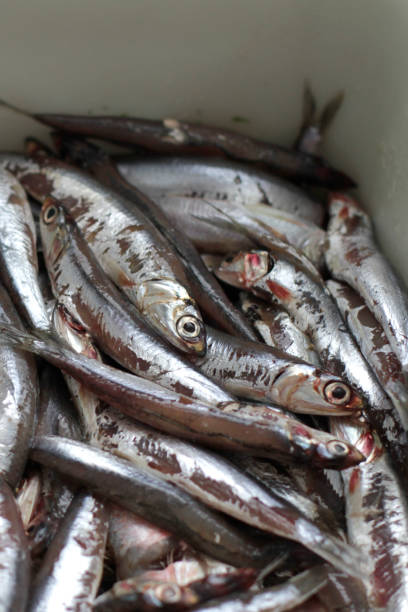
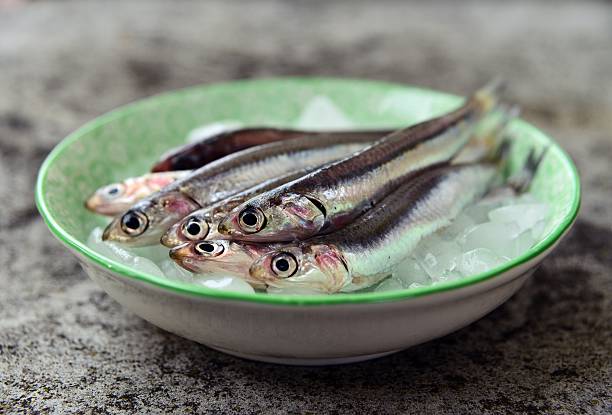
Wild Whole Anchovies
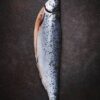
Wild Whole Anchovies are whole anchovy fish supplied by TG-Trading B.V. for seafood importers, wholesalers, processors, retailers, restaurants and food-service buyers. They can be used for seafood processing, canning, salting, marinating, retail programs and professional cooking. Scientific species, catch area, size grade, whole-fish presentation, preservation condition, origin, packaging and documentation vary according to current supply. Wild-caught status should be supported by applicable documentation. Send your quantity, destination and required specification to TG-Trading B.V. for a current wholesale quotation.
Wild Whole Anchovies
Product Details
Wild Whole Anchovies for Wholesale Supply
Wild Whole Anchovies are whole anchovy fish sourced for commercial seafood distribution, food processing, food service, retail programs and further manufacturing. TG-Trading B.V. supplies Wild Whole Anchovies to international B2B buyers including seafood importers, wholesalers, distributors, processors, supermarkets, restaurants, hotels, caterers and other commercial buyers.
Anchovy is a broad commercial description covering multiple species. Professional buyers should therefore confirm the scientific species, catch area, wild-caught documentation, size grade, whole-fish presentation, preservation method, packaging and destination-market documentation before ordering.
The term “wild” should only be used for an actual supply when appropriate catch and traceability documentation supports that description.
TG-Trading B.V. evaluates enquiries according to required quantity, destination country or port, intended use and buyer specification.
Wild Whole Anchovies for Wholesale Buyers
Wild Whole Anchovies can serve multiple commercial markets because whole anchovies may be processed, preserved, cooked or distributed in different formats.
Seafood processors may require anchovies as raw material for salted, marinated, canned or other value-added products. Restaurants and food-service companies can use whole fish in specific dishes, while distributors may supply processors, specialty retailers and hospitality customers.
Buyers can explore additional seafood products through the TG-Trading B.V. Shop or submit a detailed sourcing requirement through the TG-Trading B.V. contact page.
What Are Wild Whole Anchovies?
Wild Whole Anchovies are whole fish belonging to anchovy species harvested from natural marine fisheries rather than aquaculture, when wild-caught status is supported by the applicable documentation.
The word “anchovy” alone does not establish the scientific species.
Commercially important anchovies include European anchovy (Engraulis encrasicolus) and other species within the anchovy family Engraulidae. Species, fishing area and commercial designation should therefore be confirmed for each supply program.
For reliable fisheries and species information, procurement and quality-control teams can consult the FAO Fisheries & Aquaculture species resources:
FAO Fisheries & Aquaculture – Species Information
FAO fisheries resources provide standardized scientific and common-name information used to help identify aquatic species in international fisheries data and trade.
For B2B procurement, the scientific species appearing on supplier, catch and health documentation should determine the exact identity of the offered anchovies.
5 Key Commercial Uses
1. Seafood Processing
Wild Whole Anchovies can be used as raw material by seafood processors producing preserved, salted, marinated or other value-added anchovy products.
Processors may require precise specifications for species, size, freshness at processing, preservation method and defect tolerance.
Raw-material requirements should match the intended finished product.
2. Canning and Preserved Seafood Production
Commercial processors may use whole anchovies for canned and preserved seafood programs.
For these applications, manufacturers may prioritize relatively consistent fish size, species identity and processing suitability.
Buyers should specify whether the anchovies are intended for canning, salting, marinating or another preservation process.
3. Restaurants and Food Service
Restaurants, hotels and specialist food-service businesses may use whole anchovies for grilled, fried, baked, marinated or other prepared seafood dishes.
Food-service buyers should define preferred fish size and presentation according to menu requirements.
4. Retail Seafood Programs
Supermarkets and specialist seafood retailers may purchase Wild Whole Anchovies for frozen, chilled or otherwise appropriately preserved retail programs depending on the actual product offered.
Retail buyers should confirm species labeling, net weight, preservation condition, origin and destination-market consumer information.
5. Wholesale Seafood Distribution
Importers and seafood distributors may purchase Wild Whole Anchovies for onward sale to processors, retailers, restaurants and regional seafood wholesalers.
Commercial distribution programs should be based on defined species, size, catch area, preservation method, packaging and documentation.
Specifications Buyers Should Confirm
A professional purchasing specification may include:
- Commercial fish name
- Scientific species name
- Wild-caught status
- FAO fishing area or catch area
- Country of origin where applicable
- Whole-fish presentation
- Head-on or other presentation
- Gutted or ungutted status
- Size grade
- Fish count per kilogram where relevant
- Individual length or weight range
- Sensory condition
- Color and appearance
- Defect tolerance
- Preservation method
- Fresh, frozen or another documented condition
- Freezing method where applicable
- Glaze percentage where applicable
- Net weight
- Ingredient declaration where applicable
- Salt content where applicable
- Microbiological requirements
- Histamine-control requirements
- Contaminant requirements
- Packaging format
- Lot identification
- Catch documentation
- Traceability information
- Health certificate
- Destination-market labeling
Exact values should be confirmed from the current supplier specification rather than assumed from the product name.
Species Identification Matters
Anchovy is not a single-species commercial term.
European anchovy (Engraulis encrasicolus) is one recognized commercial species, but anchovies from other genera and species are harvested and traded internationally.
Species differences can affect size, processing characteristics, commercial designation, fishing area and buyer preference.
TG-Trading B.V. should therefore not automatically label every Wild Whole Anchovies supply as Engraulis encrasicolus.
Buyers requiring a particular species should provide the scientific name in their RFQ.
What Does “Wild” Mean for This Product?
The word “wild” indicates that the fish were harvested from a natural fishery rather than produced through aquaculture.
However, a product title alone is not sufficient evidence of catch method, fishing area, sustainability or certification.
Wild-caught status should be supported by appropriate commercial and traceability documentation.
Likewise, “wild” should never automatically be converted into claims such as sustainable, responsibly caught or certified sustainable.
Any sustainability certification should be independently verified for the actual supply.
Whole Anchovies vs Processed Anchovies
Whole anchovies differ from the familiar prepared anchovy fillets packed in salt, oil or other media.
A whole-fish product retains substantially the original fish form, although exact head, gut and processing condition must still be confirmed.
Processors purchasing whole anchovies as raw material may subsequently head, gut, salt, marinate, fillet or otherwise process the fish.
This makes presentation an important part of the commercial specification.
Size and Count Grading
Size can be commercially important when buying Wild Whole Anchovies.
Processors may require relatively uniform fish for automated handling, canning or packing. Restaurants may prefer a particular size for presentation, while wholesalers can supply different customer segments according to grade.
Size may be expressed using fish length, individual weight, count per kilogram or another supplier-defined grading system.
There is no universal size grade that should be assumed.
Fresh, Frozen or Preserved Condition
The title Wild Whole Anchovies does not by itself establish whether the product is fresh, frozen, salted or otherwise preserved.
Buyers should specify the required condition.
If frozen product is required, the RFQ should define the freezing format, glaze requirements where relevant, packaging and frozen cold-chain expectations.
If the product is intended for immediate salting or processing, the processor may have different raw-material specifications.
Histamine and Time-Temperature Control
Anchovies belong to a group of fish for which histamine control can be an important food-safety consideration.
Effective temperature management from harvest through processing, storage and distribution is therefore commercially significant.
Buyers should establish applicable histamine requirements according to their destination market, processing program and food-safety system.
No universal numerical limit should be assumed because regulatory requirements can differ between markets and product types.
Packaging and Bulk Orders
Wild Whole Anchovies may be supplied in commercial seafood packaging according to product condition, fish size, processor, buyer requirements and destination.
Buyers should confirm:
- Inner packaging
- Net pack weight
- Master-carton weight
- Fish count or size grade
- Glaze where applicable
- Labeling
- Lot identification
- Pallet configuration
- Container loading
- MOQ
Exact packaging and minimum order quantity depend on the current supply program.
International Sourcing and Distribution
Availability of Wild Whole Anchovies can vary according to fishing season, species, catch area, fishery conditions, processing capacity, size grade and destination requirements.
Importers should provide the destination country or port early in the procurement process.
This allows health certification, catch documentation, labeling, establishment eligibility and other import requirements to be considered when evaluating available supply.
Quality and Documentation
Depending on origin, processing condition and destination, buyers may request:
- Current product specification
- Scientific species declaration
- Wild-caught documentation
- Catch area information
- Catch certificate where applicable
- Certificate of origin
- Health certificate
- Processing-establishment details
- Lot traceability
- Packing list
- Microbiological results
- Histamine testing where required
- Contaminant information
- Ingredient declaration where applicable
- Allergen declaration
- Sustainability certification where specifically required
- Destination-market labeling information
Fish is a recognized allergen in many markets and should be appropriately managed and declared.
No wild-caught, sustainability, fishing-method, origin or certification claim should be made without documentation supporting the actual offered product.
Frequently Asked Questions
What are Wild Whole Anchovies?
Wild Whole Anchovies are whole anchovy fish harvested from natural fisheries when wild-caught status is supported by appropriate documentation.
Which anchovy species is supplied?
Species depends on current sourcing. Buyers should request the scientific species name for the actual product offered.
Are they European anchovies?
Not necessarily. Engraulis encrasicolus is European anchovy, but other anchovy species are commercially traded. Species should be verified.
Are the anchovies frozen?
Product condition should be confirmed. Buyers requiring frozen whole anchovies should state this clearly in their RFQ.
Are the fish gutted?
Whole anchovy presentation can vary. Head, gut and other processing requirements should be specified before ordering.
What sizes are available?
Size grades vary by species, catch and processor. Buyers should provide their preferred length, weight or count specification.
Are Wild Whole Anchovies sustainably caught?
Wild-caught does not automatically mean certified sustainable. Any sustainability claim should be supported by applicable documentation.
Can they be used for canning?
Whole anchovies can be used as raw material for canning and other preservation processes, subject to the processor’s species, size and quality requirements.
What is the minimum order quantity?
MOQ varies according to species, season, size, packaging, destination and current availability.
How do I request a wholesale quotation?
Provide quantity, destination country or port, intended use, preferred scientific species, size grade, product condition, packaging and documentation requirements.
Why Source Through TG-Trading B.V.?
TG-Trading B.V. supports specification-led international seafood procurement.
For Wild Whole Anchovies, this means confirming scientific species, wild-caught status, catch area, size, whole-fish presentation, preservation condition, packaging, destination and documentation before evaluating available supply.
This approach helps seafood importers, processors, distributors, retailers and food-service buyers source against measurable commercial requirements rather than assumptions about species, origin, fishing method or sustainability.
Request a Wholesale Quote
To request a wholesale quotation for Wild Whole Anchovies, provide TG-Trading B.V. with your required quantity, destination country or port, intended use, preferred scientific species, size or count grade, whole-fish presentation, required product condition, packaging and documentation requirements.
Also state any mandatory catch area, origin, histamine, microbiological, contaminant, sustainability, health-certificate, catch-certificate or destination-labeling requirements.
Contact TG-Trading B.V. for current availability, MOQ, specifications, packaging, documentation and commercial pricing.
Be the first to review “Wild Whole Anchovies”
Related products
Frozen Fish
Frozen Fish
Frozen Fish
Frozen Fish
Frozen Fish
Frozen Fish
Frozen Fish
Frozen Fish
Wholesale Sourcing Specifications: Wild Whole Anchovies
| Order Volume (MOQ) | Europe: Pallets / LCL accepted. International: 1x 20ft or 40ft FCL (Dry or Reefer) |
|---|---|
| Packaging | Varies by product (bulk, retail, private label). Request specific product specifications. |
| Incoterms | FOB Rotterdam / CIF Destination Port / DAP (Door-to-Door available) |
| Lead Time | Varies by product and origin; typically 14 to 21 working days |
| Quote Response | Proforma Invoice and spec sheet within 24 hours of RFQ |
| Quality Governance | BRCGS, IFS Food, ISO 22000, HACCP |
Reviews
There are no reviews yet.