
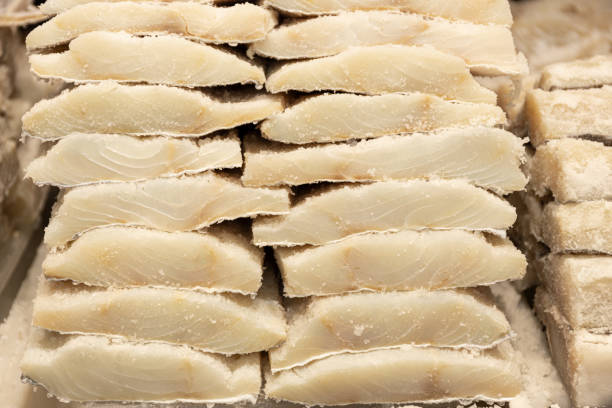
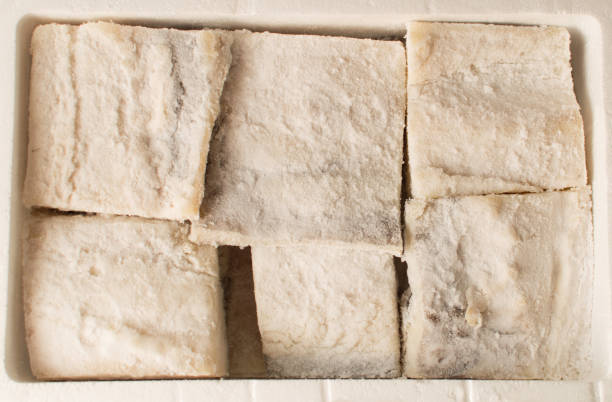
Traditional Cod Fillets
TG-Trading B.V. supplies Traditional Cod Fillets to international B2B buyers including seafood importers, processors, wholesalers, distributors, restaurants, retailers, caterers and food-service companies. Common commercial uses include restaurant dishes, fish and chips, ready meals, retail seafood programs and further processing. Species, fillet size, skin or bone presentation, origin, freezing method, glazing, packaging, MOQ, price and availability may vary according to current sourcing and buyer requirements. Send your required quantity, destination, intended use, fillet specification, packaging and documentation requirements to request a current wholesale quotation. International B2B buyers can request current origin, specification, packing, documentation and logistics information without relying on unverified assumptions.
Traditional Cod Fillets
Product Details
Traditional Cod Fillets for Wholesale Supply
Traditional Cod Fillets are commercially prepared fish portions purchased by seafood importers, processors, wholesalers, distributors, hotels, restaurants, caterers, retailers, and food-service suppliers. Fillet presentation reduces the cutting and preparation required compared with whole fish, making the product suitable for food manufacturing, restaurant kitchens, catering operations, retail programs, and wholesale seafood distribution.
TG-Trading B.V. sources and distributes Traditional Cod Fillets for international B2B buyers. Supply is evaluated according to current sourcing, supplier specification, destination requirements, intended application, and requested commercial presentation. Buyers can also explore our Frozen Fish category for related seafood products available for wholesale enquiry.
What Are Traditional Cod Fillets?
Traditional Cod Fillets are portions of cod prepared by removing the main fillet sections from the fish. The exact cut, trimming, skin presentation, bone content, size, freezing method, glazing, and packing format can vary between suppliers and markets. Buyers should therefore use a detailed specification rather than relying solely on the product name.
“Cod” may refer to different commercially traded species. Atlantic cod is scientifically identified as Gadus morhua, while Pacific cod is Gadus macrocephalus. The NOAA Fisheries Atlantic Cod resource provides authoritative species information for Atlantic cod. For any TG-Trading B.V. transaction, however, the exact scientific species should be confirmed from the supplier documentation before contract, labeling, or import arrangements are finalized.
5 Key Commercial Uses
1. Restaurant and Food-Service Preparation
Traditional Cod Fillets can be used by restaurants, hotels, caterers, and institutional kitchens for baking, grilling, pan-cooking, frying, steaming, or other seafood preparations. Fillet form can reduce preparation work in commercial kitchens compared with purchasing whole fish.
Food-service buyers should specify preferred fillet size, skin presentation, bone requirements, and portioning criteria where menu consistency and food cost control are important.
2. Fish and Chips Production
Cod fillets are commonly considered for battered and fried fish dishes, including fish-and-chips applications. Restaurants and food manufacturers should define the required fillet dimensions, portion weight, trimming, and product condition so the supplied material can be evaluated against their production process.
3. Ready Meals and Prepared Foods
Food manufacturers can use Traditional Cod Fillets in frozen meals, seafood dishes, sauces, meal kits, breaded products, and other prepared foods. Depending on the manufacturing process, fillets may be portioned, seasoned, battered, coated, cooked, or combined with other ingredients.
Processors should state the intended finished product because portion dimensions, skin status, bone tolerance, and freezing characteristics may affect production efficiency.
4. Retail and Private-Label Seafood Programs
Seafood importers and packers may purchase fillets for frozen retail packs, trays, private-label products, supermarket programs, and seafood counters. These channels can require specified portion sizes, net weights, labels, glazing parameters, ingredient declarations, and case configurations.
5. Wholesale Seafood Distribution
Importers and distributors may purchase Traditional Cod Fillets for onward sale to restaurants, processors, retailers, caterers, hospitality companies, and regional seafood wholesalers. Distribution buyers should communicate the requirements of their downstream customers because preferred species, fillet formats, sizes, packaging, and documentation can differ between markets.
Commercial Specifications Buyers Should Confirm
There is no single specification that should be assumed for every order. Depending on the intended application and destination, buyers may need to confirm:
- Scientific and commercial species name
- Fillet cutting and trimming specification
- Skin-on or skinless presentation
- Pin-bone or bone requirements where relevant
- Fillet size or weight range
- Raw, cooked, or other processing state
- Fresh, chilled, frozen, or other verified condition
- Freezing method where applicable
- Glazing requirement where applicable
- Net and gross weight requirements
- Packaging and case configuration
- Labeling and language requirements
- Origin preference, if any
- Catch or production information where required
- Inspection or laboratory testing requirements
- Required health, customs, and commercial documentation
Exact characteristics may vary according to current sourcing, supplier specification, destination, and buyer requirements. Species, origin, fillet size, trimming, glazing, packaging, shelf life, storage conditions, and other technical parameters should be confirmed for the actual this product lot before purchase.
Traditional Cod Fillets vs Frozen Cod Fillets
Commercial names can describe similar products while still referring to different specifications or presentations. The offered item should therefore be compared with alternative cod products using the actual technical documents rather than assuming that two listings are identical.
Buyers can review Frozen Cod Fillets as another verified TG-Trading B.V. cod product. Procurement teams comparing additional white-fish options can also review Hake Fillets.
Differences in species, cut, trimming, skin status, bone requirements, size grading, freezing method, glazing, and packing can influence suitability for different food-service and manufacturing operations.
Wholesale Supply and Bulk Orders
TG-Trading B.V. handles this wholesale product enquiries from seafood importers, food processors, wholesalers, distributors, restaurant suppliers, retailers, caterers, and procurement companies. Commercial quantities are evaluated against the requested specification and destination rather than a fixed universal product configuration.
MOQ, available quantity, origin, price, fillet dimensions, packaging, stock status, and delivery time are not fixed across every sourcing program. Buyers should therefore provide a detailed RFQ rather than assume standard commercial values.
For efficient sourcing, provide the required quantity, destination country or discharge port, intended use, required cod species where applicable, fillet size or weight range, skin and bone requirements, freezing or glazing preference, packaging, and mandatory documentation.
Cold Chain, Packaging and International Distribution
Handling requirements depend on the actual condition of the product. Frozen the commercial product should be transported and stored according to the current supplier specification, product labeling, logistics requirements, and destination regulations. Chilled or other presentations require conditions appropriate to their verified specification.
Packaging may include different inner-pack and case configurations depending on the manufacturer, quantity, destination, and buyer requirements. Glazing, palletization, labeling, and loading arrangements should be confirmed before shipment.
TG-Trading B.V. supports international sourcing and distribution, with origin, Incoterm, loading point, shipment schedule, product condition, packaging, and required documentation agreed for each transaction.
Quality and Documentation
International cod trade can require documentation relating to species identification, food safety, origin, labeling, customs, inspection, and buyer-specific quality procedures. These requirements should be communicated before contract finalization.
TG-Trading B.V. can review requested documentation against current this product supply. No certification, sustainability claim, exact species, origin, catch method, glazing level, shelf life, storage temperature, or laboratory value should be assumed unless it is specifically confirmed for the offered lot.
Why Source Traditional Cod Fillets Through TG-Trading B.V.?
International seafood procurement depends on matching species, fillet presentation, quantity, destination, packaging, logistics, and documentation with current available supply. TG-Trading B.V. reviews these requirements before quotation so professional buyers can compare suitable sourcing possibilities against their actual production or distribution needs.
This approach supports the offered item enquiries for food service, prepared foods, retail programs, processing, and wholesale distribution without relying on unsupported assumptions about species, origin, cut specification, packaging, or availability.
Commercial teams may use this official technical reference for general procurement context. Final Traditional Cod Fillets acceptance should rely on the current supplier specification and shipment documents.
Request a Wholesale Quote
For a current this wholesale product quotation, send TG-Trading B.V. your required quantity, destination country or port, intended use, required cod species where applicable, preferred fillet size, skin or bone specification, product condition, packaging preference, and documentation or inspection requirements.
Submit your RFQ through the TG-Trading B.V. contact page. Complete procurement details help the sales team evaluate suitable sourcing options and prepare current commercial terms for your transaction.
Traditional Cod Fillets
Traditional Cod Fillets Supplier
Wholesale Traditional Cod Fillets
Bulk Traditional Cod Fillets
Cod Fillets Wholesaler
Be the first to review “Traditional Cod Fillets”
Related products
Frozen Fish
Shellfish & Crustaceans
Frozen Fish
Frozen Fish
Frozen Fish
Frozen Fish
Shellfish & Crustaceans
Frozen Fish
Wholesale Sourcing Specifications: Traditional Cod Fillets
| Order Volume (MOQ) | Europe: Pallets / LCL accepted. International: 1x 20ft or 40ft FCL (Dry or Reefer) |
|---|---|
| Packaging | Varies by product (bulk, retail, private label). Request specific product specifications. |
| Incoterms | FOB Rotterdam / CIF Destination Port / DAP (Door-to-Door available) |
| Lead Time | Varies by product and origin; typically 14 to 21 working days |
| Quote Response | Proforma Invoice and spec sheet within 24 hours of RFQ |
| Quality Governance | BRCGS, IFS Food, ISO 22000, HACCP |
Reviews
There are no reviews yet.