
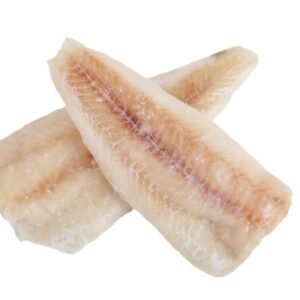
Frozen Cod Fillets
Frozen Cod Fillets are frozen cod portions supplied by TG-Trading B.V. for seafood importers, wholesalers, distributors, supermarkets, restaurants, caterers and food processors. They are suitable for food service, retail frozen seafood, coated fish products, prepared meals and further processing. Scientific species, fillet size, trimming, skin and bone presentation, freezing method, glaze, ingredients, origin, packaging and documentation may vary according to current supply. Send TG-Trading B.V. your quantity, destination, intended use and required fillet specification for a current wholesale quotation.
Frozen Cod Fillets
Product Details
Frozen Cod Fillets for Wholesale Supply
Frozen Cod Fillets are commercially prepared cod fillets frozen for international seafood distribution, food service, retail programs and further processing. TG-Trading B.V. supplies Frozen Cod Fillets to B2B buyers including seafood importers, wholesalers, distributors, supermarkets, restaurants, hotels, caterers, institutional kitchens and food manufacturers.
Commercial buyers should confirm the scientific species, fishing area or country of origin, fillet weight, skin and bone specification, trimming, freezing format, glaze, ingredients, packaging and documentation before placing an order.
TG-Trading B.V. handles enquiries according to the buyer’s required quantity, destination country or port, intended application and technical specification.
Frozen Cod Fillets for Wholesale Buyers
Frozen Cod Fillets offer commercial buyers a practical format for portioning, retail packing and further manufacturing.
Restaurants and catering companies may prioritize individual fillet weight and portion consistency. Retailers may focus on appearance, labeling and pack configuration. Seafood processors can require specific dimensions, trimming, bone tolerances and ingredient declarations.
Buyers can also compare Frozen Shredded Cod through TG-Trading B.V. when smaller processed pieces are preferred for fillings, fish cakes and manufactured foods.
What Are Frozen Cod Fillets?
Frozen Cod Fillets are longitudinal portions of cod flesh removed substantially parallel to the backbone and frozen for commercial storage and distribution.
Codex Alimentarius maintains a specific international standard, CXS 190-1995 – Standard for Quick-Frozen Fish Fillets, covering product definition, freezing, presentation, glazing, quality, hygiene and labeling considerations for quick-frozen fish fillets.
Reliable external industry reference: Codex Alimentarius – Standard for Quick-Frozen Fish Fillets (CXS 190-1995):
Codex Standard for Quick-Frozen Fish Fillets
This authoritative FAO/WHO Codex resource is useful to seafood importers, quality-control teams and procurement professionals evaluating internationally traded frozen fish fillets.
The term “cod,” however, should not automatically be interpreted as one scientific species. Commercial cod products can involve species such as Atlantic cod (Gadus morhua) and Pacific cod (Gadus macrocephalus).
For B2B procurement, the scientific species stated on the current supplier documentation should determine the actual product identity.
5 Key Commercial Uses
1. Restaurants and Professional Food Service
Frozen Cod Fillets may be used by restaurants, hotels, caterers and professional kitchens for grilled, baked, fried, poached and sauced seafood dishes.
Commercial kitchens often require defined piece-weight ranges to support portion control, menu costing and repeatable presentation.
Buyers should provide their preferred fillet weight or dimensions rather than assuming a standard portion size.
2. Frozen Retail Seafood Programs
Supermarkets, frozen-food retailers and seafood repackers may purchase Frozen Cod Fillets for consumer retail packs.
Retail buyers may require consistent appearance, defined net weight, scientific species identification, origin information, ingredient declarations and destination-specific labeling.
Private-label customers should provide their packaging and labeling requirements during quotation.
3. Breaded and Battered Fish Products
Frozen Cod Fillets can serve as raw material for breaded fillets, battered portions and other coated seafood products.
Industrial processors may prioritize fillet dimensions, thickness, trimming, skin status and bone tolerance to suit cutting and coating equipment.
The required specification should be established before sourcing.
4. Prepared Meals and Catering Products
Cod fillets may be incorporated into frozen meals, seafood dishes, casseroles and other prepared-food programs.
Manufacturers should specify required piece weight, raw-material condition, ingredients and relevant microbiological criteria according to their finished-product requirements.
5. Wholesale Seafood Distribution
Importers and seafood distributors may purchase Frozen Cod Fillets for onward supply to restaurants, supermarkets, fish retailers, processors and regional wholesalers.
Wholesale procurement should define species, fillet grade, freezing format, glaze, origin, packaging and required documentation before contracting.
Specifications Buyers Should Confirm
A professional procurement specification may address:
- Commercial fish name
- Scientific species name
- Fishing area
- Country of origin
- Fillet weight range
- Fillet dimensions
- Skin-on or skinless presentation
- Bone and pin-bone tolerance
- Belly-flap specification
- Trimming requirements
- Color and appearance
- Sensory condition
- Defect tolerances
- Freezing method
- Individually frozen or block frozen
- Glaze percentage where applicable
- Declared net weight
- Added water where applicable
- Complete ingredient declaration
- Processing aids or additives where applicable
- Parasite-control requirements
- Microbiological criteria
- Contaminant requirements
- Packaging configuration
- Lot traceability
- Catch documentation where applicable
- Health certificate requirements
- Destination-market labeling
Exact technical values should always be confirmed from the specification for the product currently offered.
Atlantic Cod vs Pacific Cod
Species identification is an important part of cod procurement.
Atlantic cod is scientifically identified as Gadus morhua, while Pacific cod is Gadus macrocephalus.
Although both can enter international frozen-fish trade, they should not automatically be presented as interchangeable from a labeling or procurement perspective.
Buyers requiring a specific cod species should provide both the commercial and scientific name in their RFQ.
TG-Trading B.V. should only identify the offered product as Atlantic cod, Pacific cod or another particular species when current documentation supports that identification.
Fillet Weight and Size Grading
Fillet size affects food-service portioning, retail presentation and industrial processing yield.
Restaurants may need relatively uniform portions for predictable serving costs. Retailers may specify pieces suited to particular pack sizes, while manufacturers may require dimensions compatible with cutting, coating or portioning equipment.
There is no universal weight range that should be assumed for Frozen Cod Fillets.
Buyers should specify preferred piece weight, dimensions and acceptable tolerances.
Skin and Bone Specification
Cod fillets can be processed to different skin and bone specifications.
Skin may be retained or removed according to processor and customer requirements.
Likewise, the word “fillet” should not automatically be interpreted as guaranteeing complete absence of bones.
Codex permits fish fillets to be presented as boneless when boning, including removal of pin bones, has been completed.
Commercial buyers requiring controlled bone tolerances should therefore include those requirements in the purchasing specification.
Frozen Cod Fillets vs Frozen Shredded Cod
Fillets retain larger, recognizable portions of fish flesh and can be appropriate for food-service portions, retail presentation and further cutting.
Shredded cod consists of smaller separated pieces and may be better suited to fish cakes, fillings, soups, prepared foods and industrial formulations.
TG-Trading B.V. supplies different seafood formats so buyers can match raw material to their processing or distribution requirements.
Freezing Method and Cold Chain
Frozen Cod Fillets may be supplied using different commercial freezing methods depending on processor specification.
Codex CXS 190-1995 defines quick freezing as a process in which the product passes rapidly through the range of maximum ice-crystal formation and reaches the required frozen condition at its thermal centre.
Buyers should nevertheless confirm whether the actual offered product is individually quick frozen, block frozen or supplied using another documented method.
Frozen seafood should remain under controlled frozen conditions throughout transportation, warehousing and distribution.
Glaze and Declared Net Weight
Protective glaze may be applied to frozen fish to help limit dehydration and oxidation during frozen storage.
Glaze percentage should not be assumed.
Commercial buyers should request the applicable glaze declaration and understand whether quoted commercial weights refer to gross, glazed or declared net product weight according to the relevant specification and labeling rules.
Ingredients and Processing Treatments
Some Frozen Cod Fillets may consist only of fish, while other processed products can contain added water, salt or permitted processing ingredients.
No phosphate, additive, water-content or other treatment should be assumed.
Processors, importers and retailers should request a complete ingredient declaration for the actual product.
Fish is a recognized food allergen in many markets and should be managed and labeled accordingly.
Packaging and Bulk Orders
Frozen Cod Fillets may be supplied in commercial frozen-seafood packaging appropriate for wholesale, processing, food service or retail repacking.
Exact configurations vary according to fillet size, freezing format, processor and destination.
Buyers should confirm:
- Inner-pack configuration
- Net inner-pack weight
- Master-carton weight
- Pieces per pack where applicable
- Label requirements
- Pallet configuration
- Container-loading requirements
- MOQ
Packaging and minimum order quantity should be confirmed with the current commercial offer rather than assumed.
International Sourcing and Distribution
TG-Trading B.V. supports international B2B sourcing of Frozen Cod Fillets within its frozen seafood portfolio.
Availability may vary according to species, fishing area, catch conditions, processor capacity, fillet size, trimming, freezing method, packaging and destination-market requirements.
International buyers should provide their destination country or port at the beginning of an enquiry so documentation, establishment eligibility and import requirements can be reviewed.
Quality and Documentation
Depending on origin, destination and intended use, buyers may request:
- Current product specification
- Scientific species declaration
- Ingredient declaration
- Allergen declaration
- Certificate of analysis where applicable
- Microbiological test results
- Contaminant information
- Health certificate
- Certificate of origin
- Catch documentation where applicable
- Processing-establishment information
- Lot traceability
- Packing list
- Label documentation
- Sustainability documentation where specifically required
No sustainability certification, fishing method, origin or species claim should be published unless supported by documentation for the actual offered supply.
Frequently Asked Questions
What are Frozen Cod Fillets?
Frozen Cod Fillets are longitudinal portions of cod flesh that have been frozen for commercial food service, retail, processing or wholesale distribution.
Which cod species is supplied?
Species varies according to current sourcing. Buyers should request the scientific species name for the actual product offered.
Are Frozen Cod Fillets skinless?
Skinless or skin-on specifications may be available depending on the processor. Buyers should state their required presentation.
Are the fillets boneless?
Do not assume complete bone removal from the word “fillet.” Buyers requiring boneless product or specific pin-bone tolerances should include this in their specification.
What fillet sizes are available?
Fillet weights and dimensions depend on species, raw-material size and processor grading. Buyers should provide their preferred range.
Are the fillets IQF?
They may be individually frozen, block frozen or supplied using another documented freezing method. The exact format should be confirmed.
Is glaze applied?
Glaze may be present on some frozen fish products. Buyers should request the applicable glaze percentage and net-weight declaration.
Do Frozen Cod Fillets contain additives?
This depends on the actual product. Buyers should request the complete ingredient and processing-treatment declaration.
What is the minimum order quantity?
MOQ depends on species, fillet specification, packaging, destination and current availability.
What information is needed for a wholesale quotation?
Provide quantity, destination country or port, intended use, required species, fillet weight, skin and bone specification, freezing format, glaze, packaging and documentation requirements.
Why Source Through TG-Trading B.V.?
TG-Trading B.V. supports specification-led international seafood procurement.
For Frozen Cod Fillets, this means establishing scientific species, fillet size, trimming, skin and bone requirements, freezing format, glaze, ingredients, packaging, destination and documentation before evaluating available supply.
This approach helps seafood importers, distributors, processors, retailers and food-service companies purchase against defined commercial requirements rather than assumptions about species, origin, treatment or certification.
Request a Wholesale Quote
To request a wholesale quotation for Frozen Cod Fillets, provide TG-Trading B.V. with your required quantity, destination country or port, intended use, preferred commercial and scientific species, fillet weight range, dimensions, skin and bone specification, trimming, freezing method, glaze, packaging and documentation requirements.
Also include any mandatory origin, fishing-area, microbiological, contaminant, sustainability, health-certificate or destination-labeling requirements.
Contact TG-Trading B.V. for current availability, MOQ, specifications, documentation, packaging and commercial pricing:
Be the first to review “Frozen Cod Fillets”
Related products
Frozen Fish
Frozen Fish
Frozen Fish
Frozen Fish
Frozen Fish
Frozen Fish
Frozen Fish
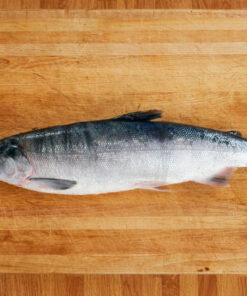
Frozen Fish
Wholesale Sourcing Specifications: Frozen Cod Fillets
| Order Volume (MOQ) | Europe: Pallets / LCL accepted. International: 1x 20ft or 40ft FCL (Dry or Reefer) |
|---|---|
| Packaging | Varies by product (bulk, retail, private label). Request specific product specifications. |
| Incoterms | FOB Rotterdam / CIF Destination Port / DAP (Door-to-Door available) |
| Lead Time | Varies by product and origin; typically 14 to 21 working days |
| Quote Response | Proforma Invoice and spec sheet within 24 hours of RFQ |
| Quality Governance | BRCGS, IFS Food, ISO 22000, HACCP |
Reviews
There are no reviews yet.