
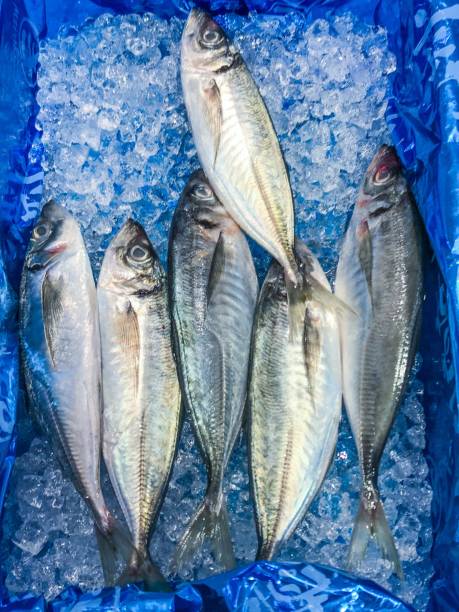
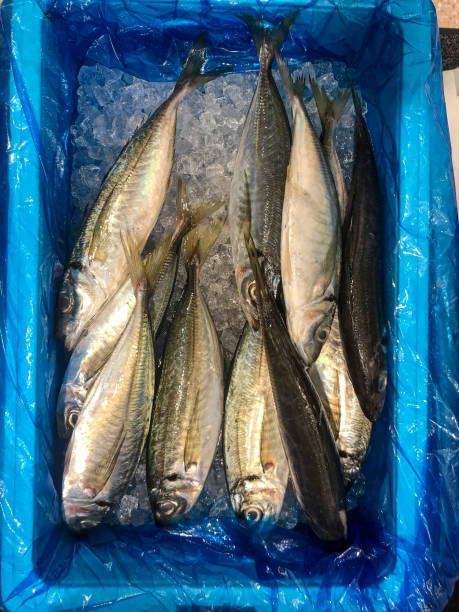
Small Horse Mackerel
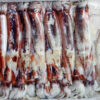
TG-Trading B.V. supplies Small Horse Mackerel to international B2B buyers including seafood importers, processors, wholesalers, distributors, restaurants, retailers and food-service companies. Common commercial uses include whole-fish retail, frying, grilling, smoking, canning and further processing. Species, size grade, product condition, origin, freezing method, glazing, packaging, MOQ, price and availability may vary according to current sourcing and buyer requirements. Send your required quantity, destination country or port, intended use, species or size specification, packaging and documentation requirements to request a current wholesale quotation.
Small Horse Mackerel
Product Details
Small Horse Mackerel for Wholesale Supply
Small Horse Mackerel is a whole-fish seafood product purchased by seafood importers, processors, wholesalers, distributors, restaurants, retailers, and food-service buyers. Smaller size grades can suit buyers that need whole fish for frying, grilling, smoking, canning, retail packing, traditional dishes, or further processing. Because “horse mackerel” can refer to more than one Trachurus species in international trade, buyers should confirm the scientific species name, size grade, product condition, freezing method, packaging, and destination documentation before purchase.
TG-Trading B.V. sources and distributes Small Horse Mackerel for international B2B buyers. Supply is evaluated according to current sourcing, supplier specification, destination requirements, intended use, and requested commercial presentation. Buyers can also explore our Frozen Fish category for related seafood products available for commercial enquiry.
What Is Small Horse Mackerel?
Small Horse Mackerel refers to horse mackerel supplied in a relatively small commercial size grade, commonly as whole fish rather than fillets or steaks. The term “small” is a commercial size description and does not establish one universal length, piece count, or weight range. Buyers should therefore state the size or count specification required for their market.
The product name also does not identify one scientific species. FAO identifies Atlantic horse mackerel as Trachurus trachurus, while other Trachurus species are traded in different regions. For this reason, the exact scientific species, catch or production area where applicable, and commercial designation should be confirmed for the actual lot.
5 Key Commercial Uses
1. Whole-Fish Retail and Market Distribution
Small Horse Mackerel can be supplied to seafood wholesalers, retailers, wet markets, specialty fish shops, and regional distributors that sell whole fish to consumers or food-service customers. Buyers should define the preferred size grade, presentation, and packaging because these factors can affect retail positioning and portion expectations.
2. Restaurant and Food-Service Preparation
Restaurants, hotels, caterers, and institutional kitchens may use the fish for frying, grilling, roasting, baking, or other whole-fish preparations. Smaller fish can be suited to individual or shared portions depending on the recipe and market. Food-service buyers should state the required size range and whether whole round, gutted, headed, or another preparation is needed.
3. Smoking, Drying and Value-Added Processing
Processors may use Small Horse Mackerel for smoking, drying, seasoning, marinating, or other value-added seafood applications. The suitability of the raw material depends on species, freshness condition, fat characteristics, size, freezing history, and the processor’s finished-product specification.
4. Canning and Prepared Foods
Food manufacturers may use horse mackerel in canned, preserved, cooked, or prepared seafood products where the species and size meet their process requirements. Manufacturers should communicate whether the fish will be headed, gutted, cooked, portioned, canned, or otherwise processed so the sourcing discussion can focus on an appropriate raw-material specification.
5. Wholesale Seafood Distribution
Importers and distributors may purchase the commercial product for onward sale to processors, retailers, restaurants, food-service companies, and regional seafood wholesalers. Downstream customer requirements can vary by species, size, origin, product condition, packaging, and labeling, so these details should be defined before contracting supply.
Commercial Specifications Buyers Should Confirm
There is no single specification that should be assumed for every order. Depending on destination and intended use, relevant requirements may include:
- Scientific and commercial species name
- Whole round, gutted, headed, or other presentation
- Size grade, piece count, or weight range
- Fresh, chilled, frozen, or other verified condition
- Freezing method where applicable
- Glazing requirement where applicable
- Packaging and case configuration
- Net and gross weight requirements
- Labeling and language requirements
- Origin or catch-area preference, if any
- Catch or production information where required
- Inspection or laboratory testing requirements
- Required health, customs, traceability, and commercial documentation
Exact characteristics may vary according to current sourcing, supplier specification, destination, and buyer requirements. TG-Trading B.V. should confirm species, size grade, origin, product condition, freezing method, glazing, packaging, shelf life, storage requirements, and other technical details for the actual Small Horse Mackerel lot before contract.
Small Horse Mackerel vs Big Horse Mackerel
The main commercial difference between Small Horse Mackerel and Big Horse Mackerel is the required size grade, but the exact size boundaries should not be assumed without a current supplier specification. Buyers may select smaller or larger fish according to portioning, processing, retail presentation, cooking method, or customer preference.
Procurement teams may also compare Frozen Sardine where they need another whole small pelagic fish option. These products should not automatically be treated as substitutes because species, size, flavor, processing behavior, and market demand differ.
Wholesale Supply and Bulk Orders
TG-Trading B.V. handles Small Horse Mackerel enquiries from seafood importers, processors, wholesalers, distributors, restaurant suppliers, retailers, and procurement companies. Commercial quantities are evaluated against the buyer’s requested specification and destination rather than a fixed universal product configuration.
MOQ, available quantity, origin, price, species, size grade, product condition, freezing method, glazing, packaging, stock status, and delivery time are not fixed across every sourcing program. Buyers should provide quantity, destination country or discharge port, intended use, required species where applicable, preferred size grade, product condition, packaging preference, and mandatory documentation.
Cold Chain, Packaging and International Distribution
Seafood handling requirements depend on the verified product condition. Frozen fish should be transported and stored according to the supplier specification, product labeling, logistics requirements, and destination regulations. Exact storage temperature and shelf life should be taken from current product documentation rather than assumed.
Packaging format, inner protection, case configuration, palletization, glazing, and labeling may vary according to supplier capability, order quantity, and destination. TG-Trading B.V. coordinates international sourcing and distribution of the product with origin, Incoterm, loading point, shipment schedule, product condition, and documentation confirmed for each transaction.
Quality, Species Identification and Documentation
Species identification is important in horse mackerel trade because commercial names can cover different Trachurus species. Buyers should communicate scientific-name, labeling, catch-area, traceability, inspection, testing, or destination-specific documentation requirements before contract finalization.
Where a destination requires specific catch certificates, health certificates, species declarations, or traceability records, buyers should identify these requirements before quotation so document availability can be reviewed.
TG-Trading B.V. can review requested documentation against current supply. No certification, sustainability claim, exact species, origin, catch method, glazing percentage, shelf life, storage temperature, or analytical value should be assumed unless specifically confirmed for the offered lot.
Why Source Small Horse Mackerel Through TG-Trading B.V.?
International seafood procurement depends on matching species, size grade, product presentation, quantity, destination, packaging, logistics, and documentation with current available supply. TG-Trading B.V. reviews these requirements before quotation so professional buyers can evaluate sourcing options against their processing, food-service, retail, or distribution needs.
This approach supports Small Horse Mackerel enquiries without relying on unsupported assumptions about species, origin, size, freezing method, packaging, or availability.
Request a Wholesale Quote
For a current Small Horse Mackerel quotation, send TG-Trading B.V. your required quantity, destination country or port, intended use, required species where applicable, preferred size grade or weight range, product condition, freezing or glazing requirement, packaging preference, and documentation or inspection requirements.
Submit your RFQ through the TG-Trading B.V. contact page. Complete procurement details help the sales team evaluate suitable sourcing options and prepare current commercial terms for your transaction.
Be the first to review “Small Horse Mackerel”
Related products
Frozen Fish
Frozen Fish
Frozen Fish
Shellfish & Crustaceans
Frozen Fish
Frozen Fish
Frozen Fish
Frozen Fish
Wholesale Sourcing Specifications: Small Horse Mackerel
| Order Volume (MOQ) | Europe: Pallets / LCL accepted. International: 1x 20ft or 40ft FCL (Dry or Reefer) |
|---|---|
| Packaging | Varies by product (bulk, retail, private label). Request specific product specifications. |
| Incoterms | FOB Rotterdam / CIF Destination Port / DAP (Door-to-Door available) |
| Lead Time | Varies by product and origin; typically 14 to 21 working days |
| Quote Response | Proforma Invoice and spec sheet within 24 hours of RFQ |
| Quality Governance | BRCGS, IFS Food, ISO 22000, HACCP |
Reviews
There are no reviews yet.