
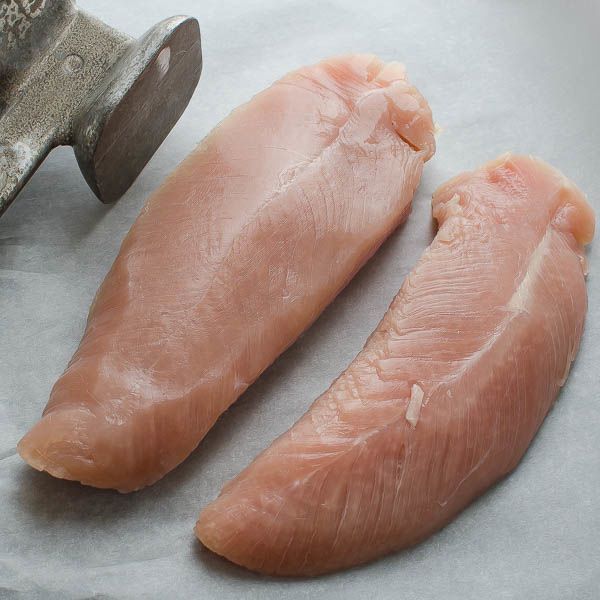
Frozen Chicken Tenderloins


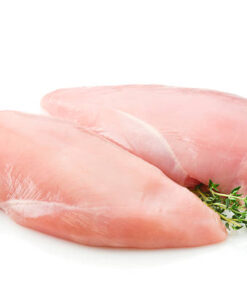
Frozen Chicken Tenderloins are boneless, skinless inner breast muscles sourced by TG-Trading B.V. for poultry importers, wholesalers, food processors, supermarkets, restaurants, hotels and caterers. They are suitable for food service, coated poultry products, prepared meals, retail programs and further processing. Piece size, tendon specification, freezing method, origin, packaging and documentation may vary according to current sourcing and buyer requirements. Send TG-Trading B.V. your quantity, destination, intended use and required specification to request a wholesale quotation.
Frozen Chicken Tenderloins
Product Details
Frozen Chicken Tenderloins for Wholesale Supply
Frozen Chicken Tenderloins are boneless, skinless white-meat poultry cuts taken from the inner breast muscle and preserved by freezing for commercial distribution. TG-Trading B.V. sources and distributes Frozen Chicken Tenderloins for poultry importers, wholesalers, food processors, supermarkets, restaurants, hotels, caterers and institutional food-service companies.
The tenderloin is a distinct muscle rather than simply a small piece cut from a chicken breast. For B2B procurement, buyers should confirm piece-weight range, tendon requirements, trimming, freezing method, retained-water requirements where applicable, packaging, origin, microbiological criteria and veterinary documentation.
TG-Trading B.V. evaluates every enquiry according to required quantity, destination, intended application and technical specification.
Frozen Chicken Tenderloins for Wholesale Buyers
Frozen Chicken Tenderloins provide processors and professional kitchens with naturally portion-sized boneless poultry meat that can be used for grilling, frying, coating, prepared meals, sandwiches and further processing.
The product can reduce cutting and deboning work compared with larger breast portions. However, dimensions and weight can vary, so buyers requiring automated portioning or consistent food-service servings should provide their preferred size range.
Buyers can also browse TG-Trading B.V.’s Chicken category for related poultry cuts.
What Are Frozen Chicken Tenderloins?
Frozen Chicken Tenderloins are the inner pectoral muscles removed from the chicken breast and supplied in frozen condition.
USDA Agricultural Marketing Service defines a chicken tenderloin as the boneless, skinless pectoralis minor muscle located on the inside of the breast adjacent to the keel bone. USDA also notes that tenderloins are marketed fresh or frozen.
Buyers can review the USDA AMS poultry terminology for authoritative commercial information.
USDA poultry specifications also recognize that a tenderloin consists of a single intact muscle and may retain its naturally embedded tendon. Consequently, buyers requiring tendon removal should state that requirement explicitly rather than assuming all commercial tenderloins are tendon-free.
5 Key Commercial Uses
1. Restaurant and Food-Service Preparation
Frozen Chicken Tenderloins are suitable for grilling, sautéing, baking, frying and other professional food-service preparations.
Their comparatively small individual format can support portion-controlled menus, sandwiches, wraps and plated dishes.
Restaurants and catering companies requiring consistent servings should provide an acceptable piece-weight or size range when requesting a quotation.
2. Breaded and Coated Poultry Products
Food manufacturers may use tenderloins for breaded, battered, seasoned or coated poultry products.
The naturally elongated shape makes them relevant to products such as chicken strips and other portioned poultry preparations.
Raw material should not automatically be assumed to contain seasoning, marinade, breading or injected solution. Any additional processing should be defined separately.
3. Prepared Meals and Convenience Foods
Processors may incorporate Frozen Chicken Tenderloins into chilled or frozen ready meals, meal kits, wraps, salads and other prepared foods after appropriate further processing.
Manufacturers should communicate size, tendon, trimming and microbiological requirements where these characteristics influence production consistency.
4. Supermarket and Retail Poultry Programs
Supermarkets and specialist meat retailers may purchase frozen tenderloins for retail packing or further in-store preparation.
Retail buyers may require specific pack weights, piece-size consistency, labeling, traceability and presentation standards.
Exact retail packaging should therefore be agreed before purchase.
5. Wholesale Poultry Distribution
Importers and distributors may source Frozen Chicken Tenderloins for onward supply to restaurants, processors, caterers, retailers and regional wholesalers.
Commercial distributors should confirm carton configuration, grading, production-establishment eligibility, origin requirements and veterinary documentation before finalizing an order.
Specifications Buyers Should Confirm
Commercial tenderloin procurement should be based on an agreed technical specification.
Important requirements may include:
- Chicken tenderloin cut identity
- Boneless presentation
- Skinless presentation
- Intact muscle requirements
- Tendon retained or removed
- Attached-tissue tolerance
- Trimming requirements
- Piece-weight or size range
- Frozen condition
- Freezing method
- Retained-water requirements where applicable
- Packaging format
- Pieces or net weight per carton
- Country of origin
- Production establishment
- Microbiological criteria
- Batch and lot traceability
- Veterinary or health documentation
- Destination-market labeling requirements
Exact piece weight, origin, production system, Halal status, freezing method, retained water, packaging size, shelf life and storage temperature should not be assumed.
These characteristics may vary according to current sourcing, supplier specification, destination and buyer requirements.
Chicken Tenderloins vs Chicken Breast
Frozen Chicken Tenderloins and whole chicken breast are related but distinct poultry cuts.
The tenderloin is the pectoralis minor, a smaller inner muscle located beneath or alongside the larger breast muscles. A conventional chicken breast contains considerably more meat and is normally divided or portioned separately.
Tenderloins can reduce cutting work where buyers need smaller elongated portions, while whole breast may provide greater flexibility for producing fillets, cubes, strips or other cuts.
Neither format is automatically preferable. The correct product depends on processing equipment, menu requirements, portion size and target market.
Tender-On vs Tender-Off Chicken Breast
Commercial breast specifications may also be described as tender-on or tender-off.
Tender-on breast retains the inner tenderloin attached to the breast. Tender-off breast has had the tenderloin removed, allowing the tenderloin to be sold separately as its own commercial cut.
This distinction is important for processors calculating yield or purchasing specific breast components.
TG-Trading B.V. also lists Chicken Breast With Skin and Bone for buyers comparing different breast-region products.
Packaging and Bulk Orders
Frozen Chicken Tenderloins may be supplied in different food-grade commercial packaging formats according to supplier capability, volume and destination.
Possible formats may include suitable inner bags and export cartons. Exact carton weight, piece count, individual freezing format, pallet configuration, container loading and MOQ should be confirmed from the current commercial offer.
Buyers should state whether the product is intended for food manufacturing, food service, retail repacking or wholesale distribution.
International Sourcing and Distribution
TG-Trading B.V. sources Frozen Chicken Tenderloins for international poultry importers, processors, wholesalers, retailers and food-service distributors.
The existing live product is listed as Chicken Tenderloins in TG-Trading B.V.’s Chicken category.
Supply options can depend on required piece grade, tendon specification, freezing method, quantity, destination, packaging, origin requirements and current supplier availability.
International poultry shipments may also require appropriate establishment eligibility, veterinary certification, traceability and destination-market import documentation.
Storage, Handling and Cold Chain
Frozen poultry requires a cold chain appropriate to the current product specification throughout transportation, warehousing and distribution.
Exact storage temperature, shelf life and thawing instructions should be taken from supplier documentation and product labeling rather than assumed.
Raw poultry should also be handled hygienically and separated from ready-to-eat foods and clean food-contact surfaces.
Freezing preserves poultry but does not mean raw tenderloins are cooked or ready-to-eat.
Quality and Documentation
Depending on destination and transaction requirements, buyers may request a current product specification, veterinary health certificate, certificate of origin, production-establishment information, microbiological report, packing list, labeling details and traceability records.
If Halal certification, a particular origin, tendon-removal standard, size grade or other certification is mandatory, buyers should identify the requirement in their RFQ and verify it against the specific supply offered.
Frequently Asked Questions
What are Frozen Chicken Tenderloins?
They are the frozen inner pectoral muscles from the chicken breast. USDA identifies the tenderloin as the pectoralis minor muscle located adjacent to the breastbone.
Are chicken tenderloins boneless and skinless?
Commercial chicken tenderloins are generally recognized as boneless and skinless, but buyers should still confirm the current product specification.
Are tenderloins the same as chicken breast strips?
No. A true tenderloin is a specific anatomical muscle. Breast strips can be cut from larger breast meat and should not automatically be described as tenderloins.
Is the tendon removed?
Tendon requirements vary. USDA specifications recognize tenderloins with the naturally associated tendon, so buyers requiring tendon removal should state this explicitly.
What sizes are available?
There is no universal piece-weight range. Buyers should provide their preferred weight, count or grading specification where uniformity is important.
Are Frozen Chicken Tenderloins individually frozen?
The freezing method depends on the supplier. Buyers requiring individually frozen, block-frozen or another presentation should include this in their RFQ.
How are they packaged for wholesale supply?
Packaging varies by supplier and destination. Inner packing, carton weight, piece count, palletization and container loading should be confirmed with the current offer.
Is there a minimum order quantity?
MOQ depends on current sourcing, packaging, destination and logistics. TG-Trading B.V. confirms the applicable MOQ with the commercial quotation.
Can Halal-certified supply be requested?
Yes. If Halal certification is mandatory, buyers should state this requirement. Certification should only be confirmed when valid documentation applies to the particular supply.
What information should I provide for a quotation?
Provide quantity, destination country or port, intended use, preferred piece-weight range, tendon specification, freezing format, packaging and required documentation.
Why Source Through TG-Trading B.V.?
TG-Trading B.V. supports specification-led international poultry procurement.
For Frozen Chicken Tenderloins, this means reviewing required piece size, tendon and trimming specifications, freezing format, quantity, destination, packaging and documentation before evaluating current sourcing options.
This approach helps importers, processors, distributors and food-service companies compare supply against their actual commercial requirements without relying on assumptions about grade, origin or processing.
Request a Wholesale Quote
To request a wholesale quotation for Frozen Chicken Tenderloins, provide TG-Trading B.V. with your required quantity, destination country or port, intended use, required technical specification, preferred packaging and documentation requirements.
Also state your preferred piece-weight range, tendon-retained or tendon-removed requirement, freezing format and any mandatory origin, veterinary, labeling or certification criteria.
Contact TG-Trading B.V. for current availability, MOQ, specifications, packaging options, documentation and commercial pricing.
Be the first to review “Frozen Chicken Tenderloins”
Related products

Chicken
Chicken
Chicken
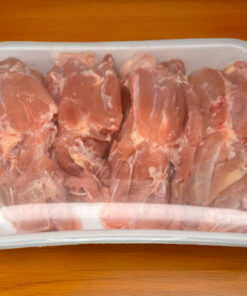
Chicken
Turkey
Turkey

Chicken
Wholesale Sourcing Specifications: Frozen Chicken Tenderloins
| Order Volume (MOQ) | Europe: Pallets / LCL accepted. International: 1x 20ft or 40ft FCL (Dry or Reefer) |
|---|---|
| Packaging | Varies by product (bulk, retail, private label). Request specific product specifications. |
| Incoterms | FOB Rotterdam / CIF Destination Port / DAP (Door-to-Door available) |
| Lead Time | Varies by product and origin; typically 14 to 21 working days |
| Quote Response | Proforma Invoice and spec sheet within 24 hours of RFQ |
| Quality Governance | BRCGS, IFS Food, ISO 22000, HACCP |
Reviews
There are no reviews yet.