
Organic Corn Starch

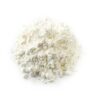
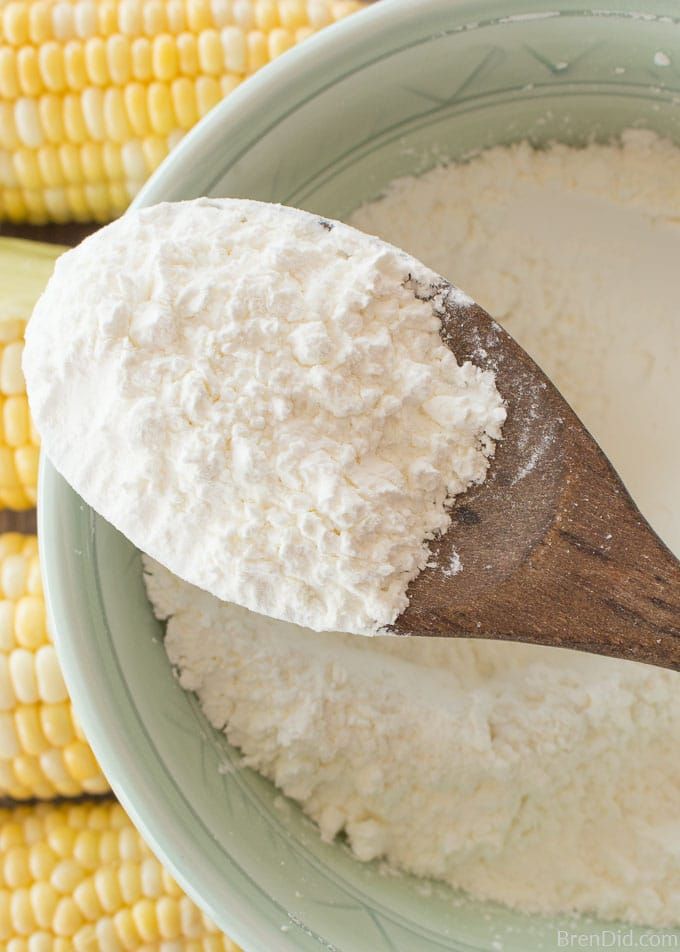
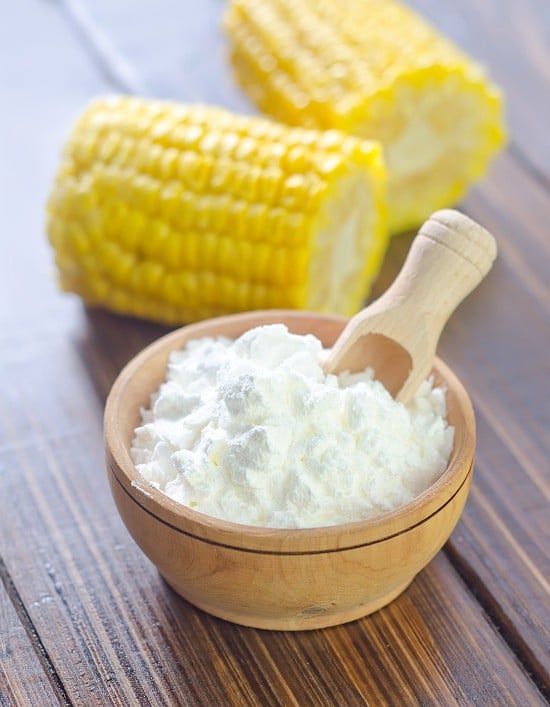
Organic Corn Starch is a corn-derived starch ingredient supplied by TG-Trading B.V. for food manufacturers, bakeries, sauce producers, dry-mix companies, ingredient distributors and wholesalers. It can be evaluated for thickening, bakery products, desserts, fillings, dry mixes and other food-processing applications. Native or modified status, functional properties, origin, organic certification, GMO documentation, gluten controls, packaging and analytical specifications may vary according to current sourcing. Send TG-Trading B.V. your quantity, destination, intended use and required specification for a current wholesale quotation.
Organic Corn Starch
Product Details
Organic Corn Starch for Wholesale Supply
Organic Corn Starch is a refined starch ingredient derived from corn, also called maize, and supplied for commercial food manufacturing, bakery production, sauces, soups, desserts, dry mixes and other industrial applications. TG-Trading B.V. supplies Organic Corn Starch to international B2B buyers including food manufacturers, bakeries, ingredient distributors, wholesalers, sauce producers, confectionery companies, prepared-food manufacturers and procurement companies.
For professional procurement, buyers should confirm whether the material is native or otherwise processed starch, particle characteristics, moisture requirements, viscosity or functional requirements where relevant, microbiological criteria, origin, packaging and applicable organic documentation before ordering.
The organic designation should be supported by certification and traceability documentation appropriate to the destination market. TG-Trading B.V. does not assume certification scheme, non-GMO status, gluten-free status, analytical values or packaging specification without current supplier documentation.
Organic Corn Starch for Wholesale Buyers
Organic Corn Starch can provide manufacturers with a functional carbohydrate ingredient for thickening, texture development, moisture management and formulation adjustment.
Different industries may require different functional characteristics.
Sauce manufacturers may prioritize thickening performance and process stability. Bakeries may evaluate texture, crumb properties and moisture interaction. Dry-mix manufacturers can focus on particle consistency and blending behavior, while ingredient distributors may require specific packaging, labeling and organic documentation.
Buyers sourcing related ingredients can also explore the TG-Trading B.V. Shop for additional flours, starches, grains and other food ingredients.
What Is Organic Corn Starch?
Organic Corn Starch is starch derived from corn or maize that is supplied as organic when its agricultural production, processing, handling and certification comply with the applicable organic program.
Corn starch and maize starch are equivalent commercial terms in many international markets.
FAO’s agricultural terminology database defines corn starch as starch derived from maize grain and identifies it as being obtained by separating starch from the corn kernel.
For an authoritative technical reference, procurement and quality teams can consult:
This independent FAO resource is useful for confirming product terminology and distinguishing corn starch from broader corn flour or meal products.
The word “organic” adds a separate certification consideration. Buyers should verify that documentation accompanying the actual product supports the organic designation for their destination market.
5 Key Commercial Uses
1. Sauces, Gravies and Soups
Organic Corn Starch may be used as a thickening ingredient in sauces, gravies, soups and related food formulations.
When starch is heated with water under appropriate processing conditions, its granules can swell and contribute to viscosity development.
Actual thickening behavior varies according to starch specification, concentration, temperature, pH, shear, other ingredients and manufacturing conditions.
Industrial customers should therefore evaluate the offered starch in their own formulation rather than relying on a universal usage rate.
2. Bakery and Baked Food Production
Bakeries may evaluate Organic Corn Starch for cakes, biscuits, cookies, fillings, bakery mixes and other baked foods.
It can influence texture and the behavior of flour-based formulations, but performance depends on recipe composition and processing conditions.
Buyers should specify whether the starch will be used as a minor functional ingredient, part of a flour blend or another bakery application.
3. Desserts, Custards and Fillings
Food manufacturers can use corn starch in puddings, custards, pie fillings, dessert preparations and other products requiring viscosity or structure.
Commercial dessert manufacturers may require controlled functional performance, appearance and sensory characteristics.
Any required viscosity or gelatinization parameters should be stated in the technical specification rather than assumed.
4. Dry Mixes and Ingredient Blends
Dry-mix manufacturers may use Organic Corn Starch in seasoning blends, bakery premixes, sauce powders, soup mixes and other powdered formulations.
Particle size and powder flow can influence blending and manufacturing performance.
Buyers operating automated filling or mixing lines should specify relevant physical requirements where necessary.
5. Further Food Processing
Organic Corn Starch may also be evaluated for coatings, prepared foods, confectionery, processed products and other industrial formulations where starch functionality is required.
Suitability ultimately depends on the buyer’s formulation, process conditions and destination regulations.
Manufacturers should perform their own production trials when adopting a new starch specification.
Specifications Buyers Should Confirm
A professional purchasing specification may include:
- Product designation
- Corn or maize source
- Native or modified status
- Organic certification scheme
- Certification body
- Certificate validity
- Country of origin
- Ingredient declaration
- Appearance
- Color
- Odor
- Particle size or mesh where relevant
- Moisture
- Ash where relevant
- pH where applicable
- Viscosity or functional parameters
- Gelatinization properties where required
- Microbiological criteria
- Contaminant limits
- Residue requirements
- GMO documentation where specifically required
- Allergen statement
- Gluten-control documentation where required
- Packaging type
- Net packaging weight
- Lot identification
- Shelf-life documentation
- Storage requirements
- Traceability
- Certificate of analysis where applicable
Exact values should be confirmed from the current specification rather than copied from a generic corn-starch standard.
Native vs Modified Corn Starch
One important procurement distinction is whether a starch is native or modified.
Native corn starch is separated from maize without intentionally modifying its fundamental starch structure for specialized functional performance.
Modified starches undergo permitted physical, enzymatic or chemical treatment to alter characteristics such as stability, viscosity or processing performance.
The product name Organic Corn Starch should not automatically be interpreted as modified starch.
Buyers requiring native material should state native organic corn starch in their RFQ and request supporting documentation.
Corn Starch vs Corn Flour
Corn starch and corn flour should not be treated as interchangeable ingredients.
Corn starch is predominantly the starch fraction separated from the maize kernel, whereas corn flour is a milled corn product containing a broader range of grain components.
The two ingredients behave differently in food manufacturing.
Buyers should therefore use the correct commercial terminology when requesting quotes, especially when translating specifications between markets where “corn flour” can occasionally be used colloquially for starch.
Organic Certification Requirements
The word organic is a regulated production and labeling designation in major markets.
For buyers operating in the European Union, organic production and labeling are governed principally by Regulation (EU) 2018/848 and related implementing legislation.
An organic claim should therefore be supported by valid documentation rather than simply inferred from the product name.
Commercial buyers should confirm:
- Certification scheme
- Certification body
- Operator or processor details
- Certificate validity
- Product scope
- Lot traceability
- Import documentation where applicable
TG-Trading B.V. should only advertise Organic Corn Starch as certified under a particular scheme when the current supply documentation supports that statement.
GMO Status Should Be Confirmed Separately
Organic and non-GMO are related concepts in some regulatory systems but should not be casually treated as interchangeable marketing claims.
Buyer requirements can differ by destination, certification scheme and internal procurement policy.
Importers requiring specific GMO documentation, testing or identity-preserved sourcing should state those requirements separately.
No unconditional “GMO-free” claim should be made without appropriate supporting evidence.
Gluten-Free Requirements
Corn itself is not wheat, barley or rye, but this does not automatically establish that every commercial starch shipment meets a particular gluten-free certification or regulatory threshold.
Cross-contact can become relevant during agricultural handling, processing, transport or packing.
Food manufacturers producing products labeled gluten-free should request appropriate allergen controls, gluten testing or certification when required by their market.
TG-Trading B.V. should therefore not market Organic Corn Starch as certified gluten-free unless the actual product documentation supports that claim.
Functional Performance
Starch behavior is influenced by several manufacturing variables.
These can include water availability, heating profile, pH, shear, sugar concentration, salts, fats and interaction with other ingredients.
Two corn starch products should not automatically be expected to perform identically in an industrial formulation.
Buyers with specific viscosity, texture or process-stability requirements should provide target parameters and conduct application testing before full-scale production.
Packaging and Bulk Orders
Organic Corn Starch may be supplied in commercial food-ingredient packaging suitable for manufacturers, wholesalers and distributors.
Actual packaging depends on processor, origin, order volume and destination requirements.
Buyers should confirm:
- Packaging material
- Net bag or pack weight
- Inner liner where applicable
- Food-contact requirements
- Label information
- Batch or lot coding
- Pallet configuration
- Container loading
- MOQ
TG-Trading B.V. does not assume a universal bag size or minimum order quantity.
Storage and Handling
Corn starch is a dry powdered ingredient and should generally be protected from conditions that could compromise product quality.
The actual supplier specification should define storage conditions and shelf life.
Commercial warehouses should pay particular attention to moisture exposure, damaged packaging, foreign odors, pests and general hygiene.
Product should remain properly identified by lot throughout storage and distribution to maintain traceability.
International Sourcing and Distribution
TG-Trading B.V. lists Organic Corn Starch within Grains, Pulses, Flours & Starches → Starches.
Availability may vary according to raw-material sourcing, processor capacity, certification scheme, origin, technical specification, packaging and destination-market requirements.
International buyers should provide the destination country or port early in the enquiry so certification, labeling and import requirements can be considered before quotation.
Quality and Documentation
Depending on intended use and destination, buyers may request:
- Current technical specification
- Organic certificate
- Certificate of analysis
- Ingredient declaration
- Allergen statement
- GMO statement where required
- Gluten-control documentation where required
- Microbiological results
- Contaminant information
- Residue documentation
- Certificate of origin
- Lot traceability
- Food-safety certification documentation
- Packing list
- Product labeling information
No organic, non-GMO, gluten-free, additive-free or other certification claim should be made unless supported by documentation applicable to the actual product offered.
Frequently Asked Questions
What is Organic Corn Starch?
Organic Corn Starch is starch separated from corn or maize and supplied under an organic designation supported by applicable certification and traceability documentation.
Is corn starch the same as maize starch?
Yes. Corn starch and maize starch generally describe the same ingredient internationally.
Is Organic Corn Starch the same as corn flour?
No. Corn starch is primarily the separated starch fraction, whereas corn flour is produced by milling corn material and has a different composition and functionality.
Is the starch native or modified?
This depends on the actual supply. Buyers requiring native starch should state this in their specification.
Is Organic Corn Starch gluten-free?
Corn does not naturally belong to the principal gluten-containing cereal group, but a gluten-free claim should still be supported by appropriate processing controls, testing or certification where required.
Is it non-GMO?
Do not assume GMO status from the product name alone. Buyers requiring specific GMO documentation should request it.
Can it be used to thicken sauces?
Corn starch is widely used for viscosity development in sauces, gravies and soups, but commercial performance should be evaluated against the buyer’s formulation and processing conditions.
What organic certification is available?
Certification depends on current sourcing and destination requirements. Buyers should state the certification scheme they require.
What packaging is available?
Packaging varies according to processor, origin, order volume and destination. Current options are confirmed during quotation.
What is the minimum order quantity?
MOQ varies according to specification, organic certification, packaging, destination and current availability.
Why Source Through TG-Trading B.V.?
TG-Trading B.V. supports specification-led international ingredient procurement.
For Organic Corn Starch, this means confirming native or modified status, functional requirements, organic certification, origin, microbiological criteria, packaging, destination and documentation before evaluating current supply.
This approach helps food manufacturers, ingredient distributors, bakeries, processors and wholesalers purchase against measurable commercial requirements rather than assumptions about certification, GMO status, gluten status or technical performance.
Request a Wholesale Quote
To request a wholesale quotation for Organic Corn Starch, provide TG-Trading B.V. with your required quantity, destination country or port, intended application, native or other starch requirement, technical parameters, required organic certification, packaging and documentation needs.
Also state any mandatory GMO, gluten-control, microbiological, contaminant, residue, origin, labeling or destination-market requirements.
Contact TG-Trading B.V. for current availability, MOQ, specifications, packaging, certification documentation and commercial pricing.
Be the first to review “Organic Corn Starch”
Related products
Flours

Plant Powders
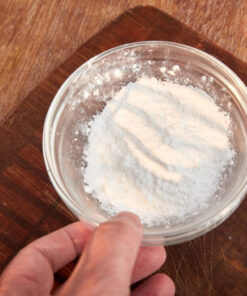
Starches
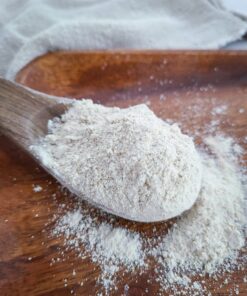

Flours
Wholesale Sourcing Specifications: Organic Corn Starch
| Order Volume (MOQ) | Europe: Pallets / LCL accepted. International: 1x 20ft or 40ft FCL (Dry or Reefer) |
|---|---|
| Packaging | Varies by product (bulk, retail, private label). Request specific product specifications. |
| Incoterms | FOB Rotterdam / CIF Destination Port / DAP (Door-to-Door available) |
| Lead Time | Varies by product and origin; typically 14 to 21 working days |
| Quote Response | Proforma Invoice and spec sheet within 24 hours of RFQ |
| Quality Governance | BRCGS, IFS Food, ISO 22000, HACCP |
Reviews
There are no reviews yet.