
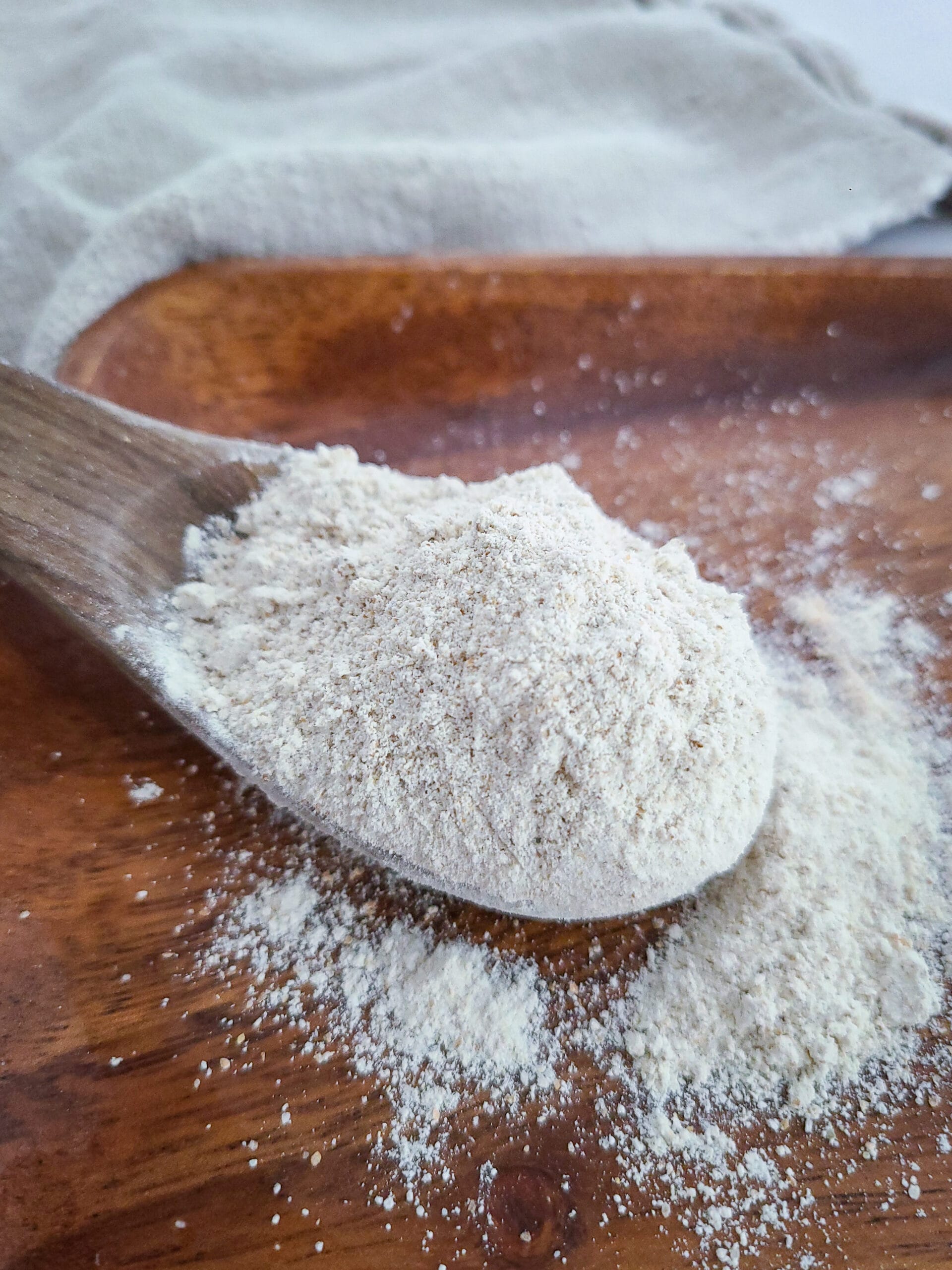


Organic Rye Flour
Organic Rye Flour is a milled rye ingredient supplied by TG-Trading B.V. for industrial bakeries, food manufacturers, premix producers, ingredient distributors and wholesalers. It can be used in rye bread, sourdough, crisp breads, crackers, bakery mixes and other cereal products. Flour type, milling specification, particle size, moisture, ash, protein, origin, organic certification, packaging and analytical requirements may vary according to current sourcing. Rye naturally contains gluten. Send TG-Trading B.V. your quantity, destination and required flour specification for a current wholesale quotation.
Organic Rye Flour
Product Details
Organic Rye Flour for Wholesale Supply
Organic Rye Flour is a milled cereal ingredient produced from rye grain and supplied for commercial bakery production, bread manufacturing, flour blending, food processing and wholesale ingredient distribution. TG-Trading B.V. supplies Organic Rye Flour to international B2B buyers including industrial bakeries, flour distributors, food manufacturers, wholesalers, artisan bakery suppliers, premix manufacturers and procurement companies.
For professional sourcing, buyers should confirm the flour type, extraction or refinement level, particle size, moisture specification, ash or mineral-content requirements where relevant, protein specification where required, microbiological criteria, origin, packaging and applicable organic documentation before ordering.
The organic designation should be supported by appropriate certification and traceability documentation for the destination market. TG-Trading B.V. does not assume exact composition, extraction rate, organic certification scheme, origin, gluten level, packaging size or analytical specification without current supplier documentation.
Organic Rye Flour for Wholesale Buyers
Organic Rye Flour can be used in commercial bakery and food-manufacturing applications where rye flavor, cereal character and flour functionality are required.
Bread manufacturers may prioritize flour consistency and dough behavior. Artisan bakeries may require a particular degree of refinement or whole-grain content, while premix manufacturers can focus on particle characteristics, moisture and blending performance.
Ingredient distributors may place greater emphasis on packaging, labeling, organic certification and lot traceability.
Buyers can explore additional flours and grains through the TG-Trading B.V. Shop or submit detailed commercial requirements through the TG-Trading B.V. contact page.
What Is Organic Rye Flour?
Organic Rye Flour is flour produced by milling rye grain, generally from Secale cereale, and marketed as organic when the grain production, processing, handling and certification comply with the applicable organic system.
Rye flour can differ significantly depending on how much of the outer grain layers are retained during milling. Commercial terminology may therefore include lighter refined rye flour, medium rye flour, darker rye flour and wholemeal rye flour.
For a reliable industry reference on the underlying grain, procurement and quality teams can consult:
USDA Agricultural Marketing Service – Rye Standards
USDA maintains official rye grading standards covering the commercial grain used as raw material for milling and other food applications.
The flour specification itself should still be confirmed separately because grain grade does not determine every finished-flour characteristic.
5 Key Commercial Uses
1. Rye Bread Manufacturing
Organic Rye Flour is widely evaluated by bakeries producing rye breads and mixed-grain bread products.
Rye behaves differently from wheat in dough systems, so commercial bakers often blend rye with other flours depending on the desired bread structure, flavor and processing method.
Buyers should specify the type of flour required and conduct application testing where exact dough behavior is important.
2. Artisan and Specialty Bakery Products
Artisan bakeries may use Organic Rye Flour in sourdough breads, rolls, crisp breads and regional bakery formulations.
The amount of bran and other grain components retained during milling can influence color, texture, water absorption and flavor.
A bakery requiring a lighter rye flour may therefore need a different specification from one producing dark or whole-grain rye breads.
3. Flour and Bakery Premixes
Commercial premix manufacturers may combine rye flour with wheat flour, seeds, malt ingredients, enzymes or other ingredients to create standardized bakery mixes.
Particle size, moisture, flour consistency and microbiological quality can be important for automated blending and packaging.
Premix manufacturers should provide their required technical parameters when requesting a quotation.
4. Crackers and Crisp Products
Organic Rye Flour may be used in crackers, crisp breads, flatbreads and related cereal products.
Manufacturers should evaluate the flour against their intended formulation because processing performance varies with milling specification and other recipe ingredients.
5. Food Ingredient Distribution
Wholesalers and ingredient distributors may purchase Organic Rye Flour for resale to bakeries, food manufacturers and regional ingredient customers.
Distribution buyers commonly require traceable lots, consistent labeling, appropriate organic documentation and packaging suited to professional handling.
Specifications Buyers Should Confirm
Professional procurement may require confirmation of:
- Product designation
- Botanical source
- Rye variety where relevant
- Flour type
- Wholemeal or refined status
- Extraction level where applicable
- Color
- Particle size
- Mesh where relevant
- Moisture
- Ash content where required
- Protein content where required
- Falling number where applicable
- Water absorption where relevant
- Dough or baking characteristics
- Microbiological criteria
- Mycotoxin requirements
- Contaminant requirements
- Residue requirements
- Organic certification
- GMO documentation where required
- Allergen declaration
- Packaging type
- Net packaging weight
- Lot identification
- Shelf-life documentation
- Storage conditions
- Country of origin
- Certificate of analysis where applicable
Exact values should be confirmed from the current supplier specification rather than assumed.
Light, Dark and Wholemeal Rye Flour
Rye flour may be commercially differentiated according to the portion of the grain retained during milling.
Lighter rye flour generally contains a larger proportion of the endosperm and less of the outer grain layers.
Darker rye flour can contain more material from the outer portions of the kernel, while wholemeal flour is produced to retain substantially all anatomical components of the grain in appropriate proportions.
Terminology can vary between markets and mills.
Buyers should therefore specify the desired flour type rather than assuming that Organic Rye Flour refers automatically to wholemeal or dark rye.
Rye Flour vs Wheat Flour
Rye and wheat are different cereal grains and behave differently during baking.
Wheat flour can develop a strong gluten network in many bread formulations, whereas rye dough structure depends more heavily on other flour components and processing conditions.
This is why rye breads often use specialized recipes or mixtures of rye and wheat flour.
Commercial bakeries should select flour according to their production process rather than substituting rye and wheat on a one-to-one basis without formulation testing.
Organic Certification Requirements
The term organic is regulated in many major markets.
An organic designation should therefore be supported by current certification covering the relevant operator, processing activity and product.
Buyers should confirm:
- Organic certification scheme
- Certification body
- Certificate validity
- Product scope
- Operator identification
- Lot traceability
- Import documentation where required
- Destination-market labeling requirements
TG-Trading B.V. should only describe the actual Organic Rye Flour supply as certified under a particular organic scheme when the documentation supports that claim.
Rye Contains Gluten
Rye is a gluten-containing cereal.
Organic Rye Flour should therefore not be described as gluten-free.
This is particularly important for manufacturers producing products for consumers with coeliac disease or other medically required gluten restrictions.
Facilities handling rye should also account for allergen and gluten cross-contact within their food-safety systems where relevant.
Buyers requiring specific allergen-control documentation should include this requirement in the RFQ.
Milling and Particle Size
Milling affects flour texture and processing behavior.
Some manufacturers may require a relatively fine flour for bakery or premix applications, while others may prefer coarser material for specific bread or cereal products.
Particle-size terminology and mesh measurements can vary between processors.
Buyers with automated dosing or mixing systems should state any required particle-size parameters in the purchasing specification.
Moisture and Flour Condition
Moisture is commercially relevant to flour stability, handling and storage.
However, no universal moisture percentage should be assumed for every Organic Rye Flour supply.
Buyers should request the current certificate of analysis or product specification when moisture limits are important.
Flour should also be evaluated for appropriate odor, appearance, freedom from infestation and absence of abnormal foreign material according to the applicable specification.
Mycotoxins, Residues and Food Safety
Cereal-based ingredients can require controls for mycotoxins, pesticide residues and other contaminants depending on origin and destination regulations.
Commercial buyers should state the applicable limits for their market when necessary.
Food manufacturers may request analytical certificates or testing documentation for relevant contaminants.
No statement such as pesticide-free or toxin-free should be made unless supported by suitable analytical evidence and applicable regulatory criteria.
Packaging and Bulk Orders
Organic Rye Flour may be supplied in commercial food-ingredient packaging for industrial bakeries, food manufacturers, ingredient distributors and wholesalers.
Packaging depends on the processor, order volume, destination and buyer requirements.
Buyers should confirm:
- Bag or sack material
- Inner liner where applicable
- Net package weight
- Food-contact requirements
- Label format
- Lot coding
- Pallet configuration
- Container-loading requirements
- MOQ
TG-Trading B.V. does not assume one universal bag size or minimum order quantity.
Storage and Handling
Rye flour should be stored under conditions that protect it from moisture, contamination, pests and strong foreign odors.
Exact storage conditions and shelf life should follow the current supplier specification.
Commercial warehouses should maintain clean, dry storage areas and preserve lot identification throughout inventory handling.
First-in, first-out or other appropriate stock-rotation practices may also support inventory control.
International Sourcing and Distribution
TG-Trading B.V. positions Organic Rye Flour within Grains, Pulses, Flours & Starches → Flours.
Availability may vary according to crop supply, milling capacity, flour type, organic certification, origin, technical specification, packaging and destination-country requirements.
International buyers should provide their destination country or port at the beginning of the enquiry so certification, import and labeling requirements can be reviewed.
Quality and Documentation
Depending on the buyer and destination, documentation may include:
- Current technical specification
- Certificate of analysis
- Organic certificate
- Ingredient declaration
- Allergen declaration
- Microbiological results
- Mycotoxin information
- Residue analysis where required
- Contaminant documentation
- Certificate of origin
- GMO documentation where required
- Lot traceability
- Food-safety certification documentation
- Packing list
- Product labeling information
No organic, non-GMO, pesticide-free or other certification claim should be made without documentation applicable to the actual product offered.
Frequently Asked Questions
What is Organic Rye Flour?
Organic Rye Flour is flour milled from rye grain and supplied under an organic designation supported by applicable certification and traceability documentation.
Is Organic Rye Flour wholemeal?
Not necessarily. Rye flour can be refined, dark, medium or wholemeal depending on the milling specification.
Does rye flour contain gluten?
Yes. Rye is a gluten-containing cereal and rye flour should not be marketed as gluten-free.
Can Organic Rye Flour be used for bread?
Yes. Rye flour is widely used in commercial rye breads, mixed-grain breads, sourdough and other bakery products.
What flour grades are available?
Flour type depends on current sourcing and milling specification. Buyers should state whether they require light, dark, wholemeal or another defined type.
What organic certification is available?
Certification depends on current sourcing and destination market. Buyers should state the organic scheme required.
Is Organic Rye Flour non-GMO?
No GMO claim should be assumed. Buyers requiring specific GMO documentation should request it.
What packaging is available?
Packaging varies according to mill, order quantity and destination. Current options are confirmed during quotation.
What is the minimum order quantity?
MOQ varies according to flour type, organic certification, packaging, destination and current availability.
How do I request a wholesale quote?
Provide quantity, destination country or port, intended use, required flour type, technical parameters, organic certification, packaging and documentation requirements.
Why Source Through TG-Trading B.V.?
TG-Trading B.V. supports specification-led international food-ingredient procurement.
For Organic Rye Flour, this means confirming flour type, milling specification, analytical requirements, organic certification, origin, packaging, destination and documentation before evaluating current supply.
This helps industrial bakeries, food manufacturers, wholesalers and ingredient distributors purchase according to defined commercial requirements rather than assumptions about flour grade, composition, origin or certification.
Request a Wholesale Quote
To request a wholesale quotation for Organic Rye Flour, provide TG-Trading B.V. with your required quantity, destination country or port, intended application, preferred flour type, particle-size requirements, analytical parameters, organic certification, packaging and documentation requirements.
Also state any mandatory protein, moisture, ash, mycotoxin, residue, microbiological, GMO, origin, labeling or destination-market requirements.
Contact TG-Trading B.V. for current availability, MOQ, technical specifications, packaging, organic documentation and commercial pricing.
⸻
Short Product Description
⸻
Rank Math Focus Keyword
Additional Focus Keywords
Organic Rye Flour Supplier
Wholesale Organic Rye Flour
Bulk Organic Rye Flour
Organic Rye Flour Wholesaler
SEO Title
Meta Description
URL Slug
organic-rye-flour
Product Tags
Image ALT Text
Image Title
Keyword Density
Product Details word count: approximately 1,200–1,250 words
Focus keyword occurrences: approximately 15
Target keyword density: approximately 1.20–1.25%
Content AI Training
Be the first to review “Organic Rye Flour”
Related products
Flours
Flours
Flours
Flours
Flours
Flours
Flours
Wholesale Sourcing Specifications: Organic Rye Flour
| Order Volume (MOQ) | Europe: Pallets / LCL accepted. International: 1x 20ft or 40ft FCL (Dry or Reefer) |
|---|---|
| Packaging | Varies by product (bulk, retail, private label). Request specific product specifications. |
| Incoterms | FOB Rotterdam / CIF Destination Port / DAP (Door-to-Door available) |
| Lead Time | Varies by product and origin; typically 14 to 21 working days |
| Quote Response | Proforma Invoice and spec sheet within 24 hours of RFQ |
| Quality Governance | BRCGS, IFS Food, ISO 22000, HACCP |
Reviews
There are no reviews yet.