
Uncategorized
What Is IQF Fruit? Processing, Benefits and B2B Sourcing
Aug
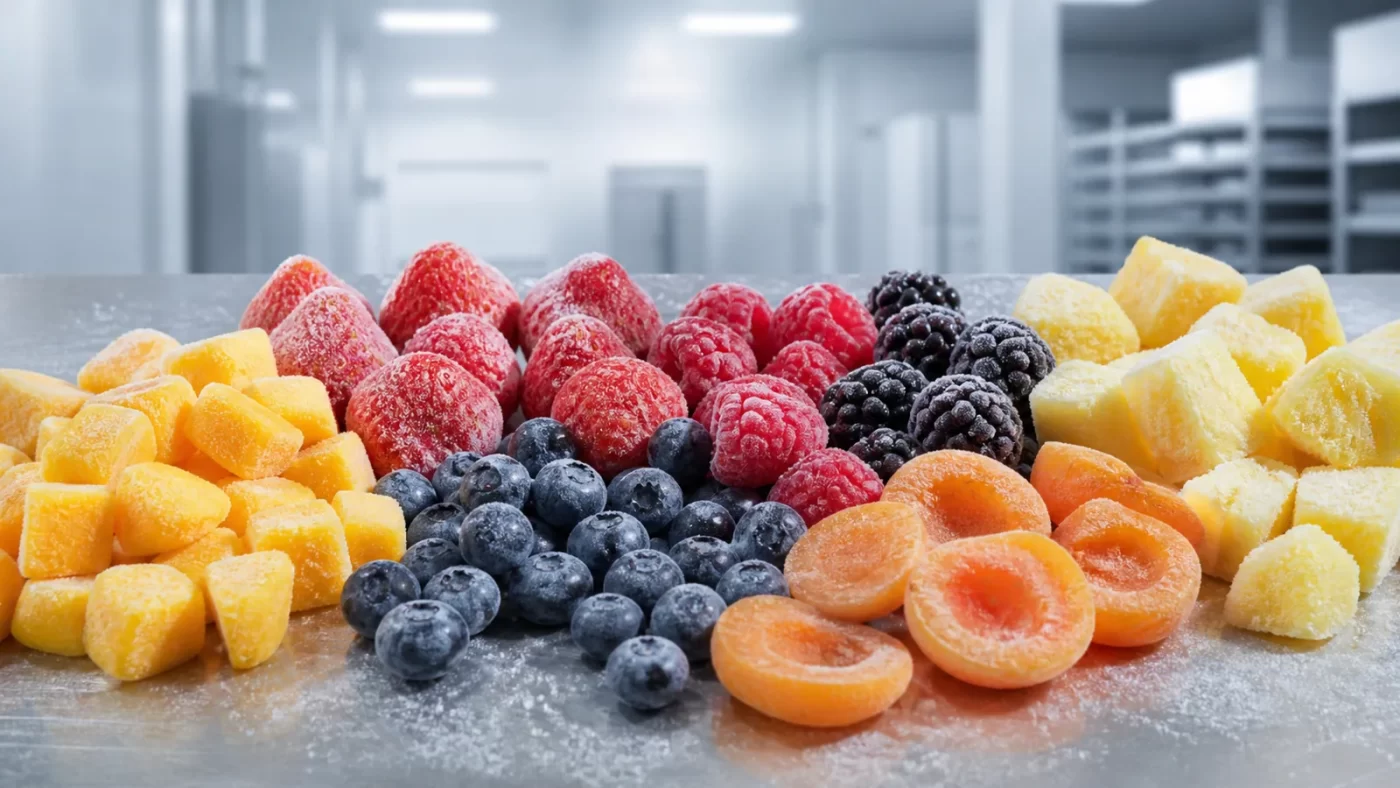
IQF fruit is fruit that has been individually quick frozen so that the pieces remain separate rather than freezing together as one solid block. The format is widely used by importers, distributors, food processors and food-service companies that require practical portioning and reliable frozen-fruit supply for commercial applications.
TG-Trading B.V. supplies a broad wholesale IQF frozen fruit range for international B2B buyers. Product availability, origin, format, packaging and documentation vary according to the selected fruit, current supply and destination-market requirements.
What is IQF fruit?
IQF fruit is individually quick frozen fruit. During processing, prepared pieces of fruit are frozen separately instead of being packed and frozen as a single block. The objective is to retain separate, usable pieces that can be handled and portioned according to the buyer’s production requirements.
The term can apply to many fruit formats, including whole fruit, halves, slices, dices or chunks, depending on the product and available specification. Buyers should not assume that every format is available for every fruit. The required cut, size range and other product characteristics should be confirmed before an order is agreed.
For commercial buyers, IQF is not a single quality grade. It describes a freezing approach. Fruit variety, maturity, preparation, tolerances, added ingredients, packaging and documentation remain product-specific considerations.
What does IQF mean in food?
In food terminology, IQF means “individually quick frozen.” It is used for fruit, vegetables, seafood, meat and other foods where separate frozen pieces are commercially useful.
The Codex Code of Practice for the Processing and Handling of Quick Frozen Foods provides international guidance covering the processing, handling, storage, transport and distribution of quick-frozen foods. Buyers should still confirm the requirements that apply to their product, intended use and destination market.
IQF should not be confused with a certification, product grade or guarantee of a particular origin. Documentation and quality specifications must be assessed for the actual product and available batch.
How does individual quick freezing work?
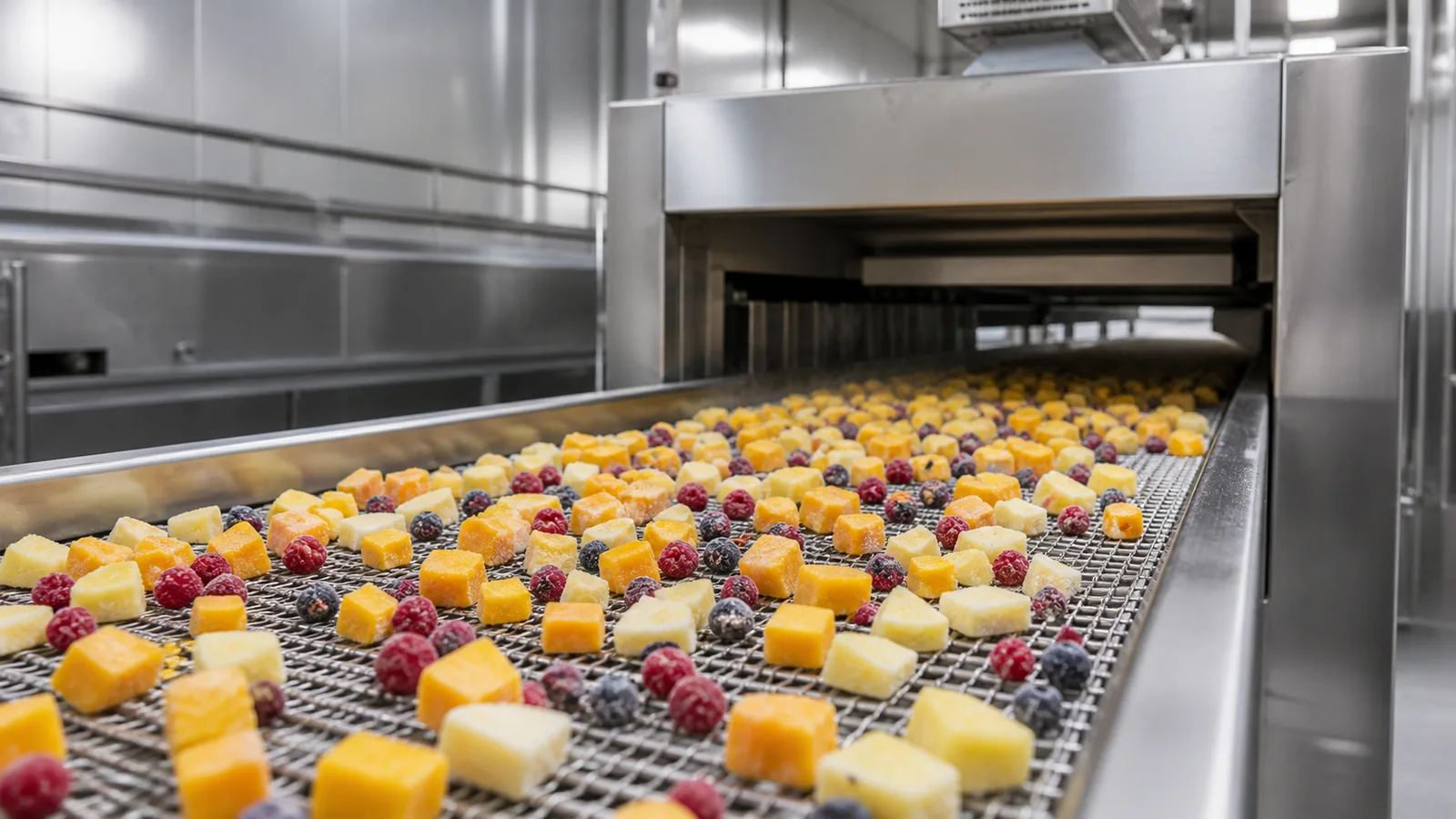
The exact IQF process depends on the fruit and processing facility, but the commercial workflow generally involves several stages.
Product preparation
Fruit is prepared in an appropriate form for processing. Depending on the product, this may involve selection, cleaning, peeling, destoning, trimming or cutting. The exact preparation must be confirmed in the product specification.
Separation and rapid freezing
Prepared pieces are separated and frozen rapidly so that they remain individually usable rather than forming one large frozen mass. Freezing equipment, processing time and operating conditions vary by product and facility, so buyers should not rely on generic figures when preparing a purchase specification.
Packing and frozen storage
After freezing, the product is packed in the agreed format and maintained through an appropriate frozen cold chain. Packaging options may vary depending on the product specification, quantity and destination market. Buyers should request current packing options rather than assuming a standard carton, bag or pallet configuration.
IQF fruit compared with block-frozen fruit
IQF fruit and block-frozen fruit may both be suitable for commercial use, but they behave differently during handling and production.
Individually frozen pieces can allow a processor to remove a required quantity while the remaining product stays frozen. A block-frozen product normally requires handling as a larger frozen unit. The better option depends on the manufacturing process, product application, equipment and cost requirements.
Important comparison points include:
- Required fruit format and piece separation
- Portioning and production workflow
- Intended application
- Available storage and handling equipment
- Packaging format
- Product specification and tolerances
- Commercial terms and logistics
Buyers should select a product on the basis of the complete specification, not the freezing description alone.
Commercial benefits of IQF fruit
Separately frozen pieces
Separate pieces can support portioning and measured ingredient use. This may be useful for food manufacturers and food-service operators whose recipes require repeatable quantities.
Multiple product applications
IQF frozen fruit can be used across numerous commercial categories. Suitability depends on fruit type, cut, specification and the buyer’s manufacturing process.
Procurement planning
Frozen fruit can support procurement beyond the immediate local harvest period. Actual availability still depends on origin, season, processing capacity, inventory and logistics.
International wholesale supply
IQF products are traded internationally for food manufacturing, distribution, retail packing and food service. Successful procurement requires coordination of product requirements, documentation, packaging and the frozen supply chain.
These are operational considerations rather than guarantees. Buyers should evaluate the product against their own process, regulatory obligations and destination-market requirements.
Common types of IQF fruit
TG-Trading B.V.’s IQF fruit category includes several product families suitable for wholesale enquiries.
IQF berries
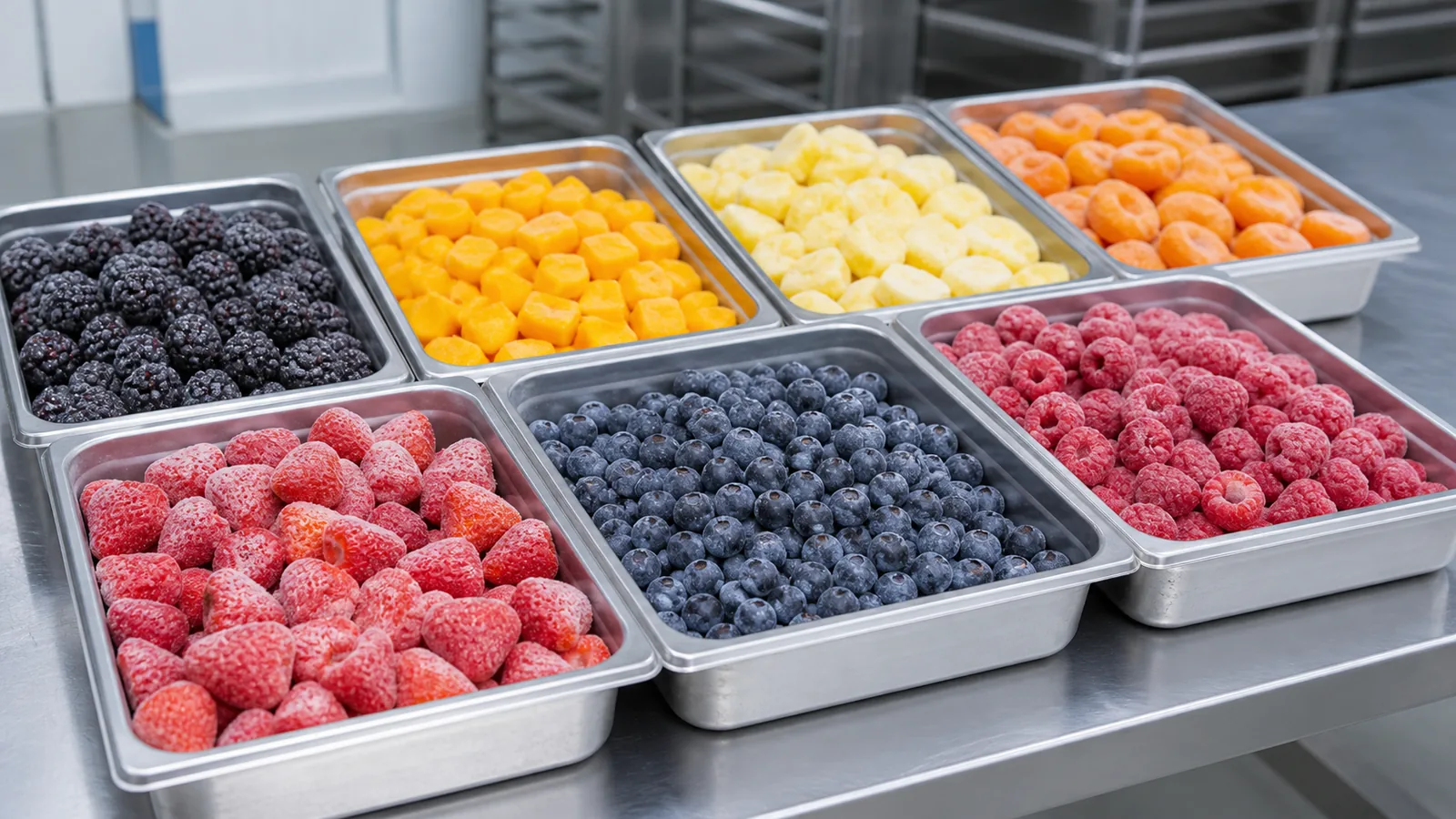
Berry products can include strawberries, blueberries, raspberries, blackberries, currants and mixed-berry selections. They may be used in bakery manufacturing, dairy products, beverages, desserts, sauces and fruit preparations.
Buyers can review products such as IQF Strawberries and other berry products within the main IQF fruit range. The exact berry variety, product form and tolerances should be requested in the applicable specification.
IQF tropical fruit
Tropical products can include mango, pineapple, guava and other fruit depending on availability. IQF Mango may be considered for beverage, bakery, dessert, dairy and prepared-food applications, subject to the required specification.
IQF stone fruit and other fruit
The wider range can include products such as IQF Apricot, peaches, kiwi, figs and pomegranate. Availability and product form should be confirmed when requesting a quotation.
Applications in food manufacturing
IQF fruit can serve as a commercial ingredient in several sectors.
Bakery and dessert manufacturing
Fruit pieces may be used in fillings, toppings, pastries, desserts and prepared bakery products. Buyers should specify whether the intended process requires whole fruit, pieces, slices or a particular size range.
Dairy and frozen-dessert production
Potential applications include yogurt preparations, dairy desserts and frozen desserts. Ingredient compatibility and processing performance must be evaluated by the manufacturer.
Beverage and smoothie manufacturing
Mango, berries, pineapple and mixed fruit may be considered for beverage and smoothie production. The required fruit format, formulation and processing suitability should be confirmed by the buyer.
Sauces, fillings and fruit preparations
IQF fruit can be processed further into sauces, fillings, compotes and other fruit preparations. The buyer remains responsible for defining the required input specification and validating it within the finished product.
Food service and distribution
Distributors and food-service companies may require frozen fruit for professional kitchens, hospitality customers or repacking operations. Packaging, language, labelling and documentation requirements can differ between channels and markets.
What buyers should confirm before sourcing IQF fruit
A clear request for quotation helps suppliers assess availability and reduces avoidable delays.
Fruit and product format
Identify the fruit and required form, such as whole, halves, slices, dices or chunks. Where relevant, provide the required size range and tolerances.
Product specification
State the intended application and any essential requirements. Specifications vary according to the available product, origin and buyer requirements. Do not assume that a generic online description represents the specification of a particular shipment.
Packaging and bulk orders
Provide the expected order quantity, preferred packing format and any market-specific labelling requirements. Packaging options may vary depending on product specification, quantity and destination market. Contact the sales team for current packing options.
Quality documentation and traceability
Buyers should identify required product documentation, specifications and traceability information at the enquiry stage. The European Commission explains the general framework for EU food traceability requirements.
Product documentation and quality specifications can be provided according to product availability and buyer requirements. Certifications should only be claimed when they can be verified for the relevant product and supply arrangement.
Cold-chain and international logistics
Frozen-food orders require coordinated storage, handling and transport. The European Union rules for quick-frozen food provide regulatory context for products supplied within the applicable EU framework.
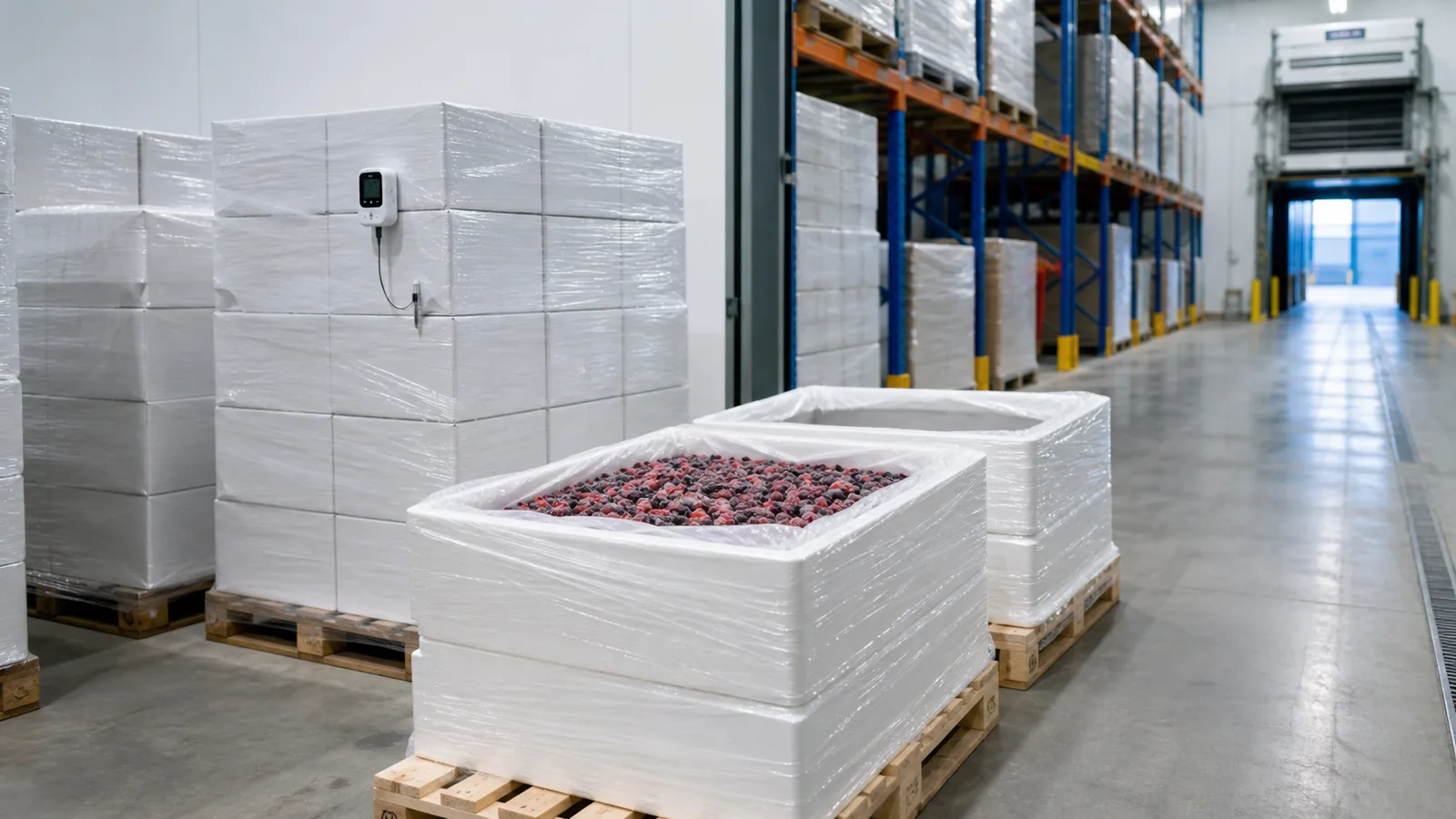
For international orders, buyers should provide the destination country, delivery location and requested commercial terms. Shipping arrangements, transit planning and documentation depend on origin, destination, order quantity and the agreed supply terms.
Broad-line supplier or single-product source?
A specialist source may be appropriate when a buyer requires a narrow product specification or dedicated origin programme. A broader international supplier can be useful when the buyer wants to discuss several fruits, vegetables or other frozen products within one procurement relationship.
The correct choice depends on:
- Product and volume requirements
- Required origin or approved-origin list
- Destination-market regulations
- Documentation requirements
- Packaging and labelling needs
- Shipment planning
- Commercial terms
TG-Trading B.V. works with international buyers across multiple food and agricultural product categories. Every enquiry remains subject to current availability and confirmation of the required specification.
How to request an IQF fruit quotation
Include the following information where available:
- Required fruit
- Whole, sliced, diced, chunked or other format
- Intended commercial application
- Estimated order quantity
- Preferred packaging, if applicable
- Destination country and delivery location
- Required documentation
- Requested delivery period
- Relevant quality or market requirements
This information allows the sales team to check current availability and request the appropriate product details.
Frequently asked questions
What is IQF fruit?
IQF fruit is fruit that has been individually quick frozen so that the pieces remain separate rather than forming one solid frozen block.
What does IQF stand for?
IQF stands for individually quick frozen. In food processing, the term describes a freezing approach used for separate pieces of fruit, vegetables and other foods.
Is IQF a product grade or certification?
No. IQF describes a freezing method. Grade, origin, composition, tolerances, documentation and certification are separate product-specific matters.
What fruits are available in IQF form?
Common examples include berries, mango, pineapple, guava, apricot, peaches, kiwi, figs and pomegranate. Current availability and product form must be confirmed with the supplier.
Is IQF fruit suitable for food manufacturing?
IQF fruit may be used in bakery, dairy, beverage, dessert, sauce, filling and prepared-food production. Suitability depends on the product specification and the manufacturer’s process.
How is IQF fruit packaged for wholesale orders?
Packing options vary by fruit, specification, quantity, supplier and destination market. Buyers should request current packaging information for the selected product.
Can IQF fruit be supplied internationally?
International supply may be possible depending on product availability, destination requirements, logistics and the agreed commercial terms.
Source IQF fruit through TG-Trading B.V.
TG-Trading B.V. supports international buyers seeking IQF fruit for wholesale distribution, food manufacturing and food-service applications. Product availability, specifications, origin, packaging and logistics depend on the selected product and destination market.
Contact TG-Trading B.V. for current IQF fruit availability, product specifications, packaging options and wholesale pricing.
