
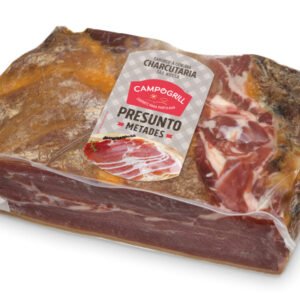
Ham Halves

Ham Halves are commercial half-ham portions supplied by TG-Trading B.V. for meat importers, wholesalers, supermarkets, food processors, caterers, hotels and restaurants. They may be suitable for retail slicing, food-service preparation, delicatessen use and further processing. Fresh or cured status, cooking status, smoking, bone configuration, weight range, ingredients, origin, packaging and certification vary according to the actual supplier specification. Send TG-Trading B.V. your quantity, destination, intended use, required ham format and documentation needs for a current wholesale quotation.
Ham Halves
Product Details
Ham Halves for Wholesale Supply
Ham Halves are commercially prepared half-ham portions supplied for wholesale distribution, food service, retail meat programs and further processing. TG-Trading B.V. supplies Ham Halves to international B2B buyers including meat importers, wholesalers, distributors, supermarkets, caterers, hotels, restaurants, institutional kitchens and food processors.
The product name alone does not establish whether the ham is fresh, cured, cooked, smoked, bone-in, semi-boneless or boneless. It also does not confirm weight range, water addition, salt level, ingredient formulation, packaging, origin, certification or ready-to-eat status.
Buyers should therefore submit a precise specification covering the required type, preparation, weight, bone configuration, curing or cooking status, packaging and destination-market documentation.
Ham Halves for Wholesale Buyers
Ham Halves can provide meat buyers with a larger-format ham product that can be sliced, portioned, cooked, displayed or processed according to the intended application.
Retailers may require attractive, consistent portions for meat counters or further slicing. Food-service buyers may prioritize yield and portion economics, while processors and distributors can require specific curing, cooking, smoking, bone, weight and packaging parameters.
TG-Trading B.V. supports specification-led sourcing rather than treating all ham products as interchangeable.
Buyers can browse the TG-Trading B.V. Shop for additional meat products or submit their complete requirement through the Contact page.
What Are Ham Halves?
Ham Halves are portions produced from a whole ham divided into approximately half-sized commercial units, with the exact preparation determined by the processor and product specification.
For U.S. terminology, the USDA Food Safety and Inspection Service explains in its Hams and Food Safety guidance that ham is the cured leg of pork, while fresh ham is the uncured leg of pork.
USDA also distinguishes fresh, cured, cured-and-smoked, cooked and cook-before-eating ham products.
The agency specifically notes that the term “Half Ham” may be used for certain semi-boneless ham products and distinguishes a half from a “portion” from which center slices may have been removed.
These regulatory definitions are useful procurement references, but the actual TG-Trading product should only be described according to its current supplier specification.
5 Key Commercial Uses
1. Supermarket and Retail Meat Counters
Ham Halves can be supplied to supermarkets, butcher counters and meat retailers for resale, slicing or further portioning.
A larger half-ham format may allow retailers to cut slices or portions according to customer requirements.
Retail buyers should confirm cooking status, bone configuration, weight range, labeling and packaging before ordering.
2. Hotels, Restaurants and Catering
Hotels, restaurants, catering companies and institutional kitchens may use half hams for buffet service, carving stations, sandwiches, plated meals or further preparation.
Food-service buyers often benefit from specifying a consistent weight range to support menu costing and portion planning.
Whether the product requires cooking or merely reheating must be confirmed from the actual product documentation.
3. Delicatessen and Slicing Operations
Delicatessens and food-service distributors may purchase Ham Halves for slicing into retail or catering portions.
For slicing applications, buyers may consider bone configuration, shape, texture, cooking status and consistency.
A boneless or semi-boneless product may perform differently from a traditional bone-in half ham, so the required format should be stated clearly.
4. Prepared Food Manufacturing
Food manufacturers may use ham as an ingredient in sandwiches, pizzas, pastries, ready meals, savory fillings and other processed foods.
Manufacturers should confirm ingredient declaration, cure formulation, cooking status, salt content where relevant, and any required analytical or microbiological criteria.
Where exact slice dimensions or yields are important, the required ham format should be included in the RFQ.
5. Wholesale Meat Distribution
Importers and meat distributors may purchase Ham Halves for onward supply to retailers, food-service companies and regional wholesalers.
For international trade, the commercial specification should clearly identify the meat species, product preparation, cooking status, origin, packaging and required veterinary or health documentation.
Specifications Buyers Should Confirm
Commercial procurement should be based on a written specification covering relevant characteristics such as:
- Meat species
- Product designation
- Fresh or cured status
- Cooked or cook-before-eating status
- Smoked or unsmoked
- Wet-cured or dry-cured where relevant
- Bone-in, semi-boneless or boneless
- Shank or butt configuration where applicable
- Skin-on or skinless
- Fat-trim specification
- Weight range
- Shape and dimensions
- Ingredient declaration
- Cure formulation where applicable
- Added-water declaration where required
- Salt or sodium requirement where commercially relevant
- Sensory characteristics
- Microbiological criteria
- Packaging method
- Net weight
- Labeling
- Country of origin
- Lot traceability
- Health or veterinary documentation
- Destination-market requirements
Exact characteristics must be confirmed from the current product specification.
Fresh, Cured and Cooked Ham
One of the most important distinctions is preparation status.
USDA FSIS states that ham products may be fresh, cured or cured-and-smoked.
Fresh ham is uncured pork leg. Cured ham has undergone a curing process, while some cured products may also be smoked.
Cooking status is a separate consideration. Some products are fully cooked and ready-to-eat, while others require cooking before consumption.
TG-Trading B.V. should therefore never describe Ham Halves as cooked, cured, smoked or ready-to-eat unless the current product documentation confirms that status.
Bone-In, Semi-Boneless and Boneless Formats
Bone configuration can significantly affect processing, slicing, presentation and yield.
Bone-in products retain more of the original bone structure and may be preferred for traditional food-service or retail applications.
Semi-boneless products have some bone removed while maintaining a recognizable ham format.
Boneless products may be easier to slice or portion for certain commercial uses.
The appropriate format should be confirmed according to the buyer’s application.
Ham Half vs Ham Portion
The terms “half” and “portion” should not automatically be treated as identical.
USDA FSIS explains that a half ham generally represents approximately half of the ham, while a ham portion may have center slices removed for separate sale.
This distinction can matter for buyers requiring a defined yield or traditional half-ham presentation.
Commercial buyers should state whether they specifically require a true half-ham format or whether another large ham portion is acceptable.
Curing and Ingredient Declaration
Cured ham may contain ingredients used for preservation, flavor, color development or processing.
USDA FSIS notes that curing solutions may contain salt and permitted curing agents, and may also include other ingredients depending on the formulation.
However, no particular cure, nitrite content, sugar content, phosphate, flavoring or water-addition level should be assumed for Ham Halves.
Buyers with formulation restrictions should request the complete ingredient declaration and applicable technical documentation.
Packaging and Bulk Orders
Ham Halves may be supplied using commercial meat packaging appropriate to the product and buyer requirements.
Depending on the actual specification, packaging may involve vacuum packaging, protective outer cartons or other suitable meat-industry formats.
Exact unit weight, pieces per carton, carton weight, pallet configuration, labeling, MOQ and container loading should be confirmed in the commercial offer.
TG-Trading B.V. does not assume a universal pack format because requirements differ between wholesale, retail, food-service and processing customers.
International Sourcing and Distribution
TG-Trading B.V. supports international B2B sourcing of Ham Halves and other meat products.
Current supply may depend on required preparation, weight range, bone specification, origin, processor availability, packaging, destination country and documentation.
International buyers should provide their destination early in the sourcing process so applicable import, labeling and veterinary-documentation requirements can be reviewed.
Storage, Handling and Cold Chain
Storage requirements depend strongly on whether the ham is fresh, cured, cooked, frozen, chilled or shelf-stable.
Therefore, one universal storage temperature or shelf life should not be assigned to this product without supporting documentation.
Commercial buyers should follow the current product label, supplier specification and applicable food-safety procedures.
Where chilled or frozen transport is required, cold-chain integrity should be maintained throughout storage and distribution.
Are Ham Halves Ready to Eat?
Not necessarily.
USDA FSIS distinguishes between ready-to-eat ham and products that require cooking.
Cooked ham may be ready-to-eat, while fresh ham and certain other products must be cooked according to the applicable instructions.
The term Ham Halves alone does not determine food-safety status.
Buyers should verify whether the actual product is fully cooked, ready-to-eat, cook-before-eating or otherwise prepared before sale or use.
Quality and Documentation
Depending on destination and intended use, buyers may request:
- Current product specification
- Ingredient declaration
- Certificate of analysis where applicable
- Microbiological results
- Allergen statement where applicable
- Certificate of origin
- Health or veterinary certificate
- Production establishment information
- Lot traceability
- Packing list
- Labeling documentation
- Food-safety certification documentation
Halal status, organic status, animal-raising claims, origin and other certifications should only be stated when supported by valid documentation for the offered product.
Frequently Asked Questions
What are Ham Halves?
They are commercial half-sized ham portions prepared from a larger ham and supplied for retail, food service, wholesale distribution or processing.
Are Ham Halves always made from pork?
Ham conventionally refers to pork leg, but buyers should still confirm species and labeling from the actual product specification.
Are Ham Halves fully cooked?
Not necessarily. They may be cooked, cook-before-eating or prepared in another form. Cooking status must be confirmed before ordering.
Are Ham Halves cured?
They may be cured, but the product name alone does not guarantee curing. Buyers should confirm whether the offered product is fresh, cured or cured-and-smoked.
Are Ham Halves bone-in?
Bone-in, semi-boneless and boneless formats may exist depending on processor and specification.
What weights are available?
Weight ranges vary by animal size, cutting method and processor. Buyers should specify their preferred unit-weight range in the RFQ.
Can buyers request smoked Ham Halves?
Smoked presentation may be requested where available. Smoking method and product specification should be confirmed with the current offer.
How are Ham Halves packaged?
Packaging depends on the product and buyer requirements and may include commercial vacuum-packed or other meat-industry formats. Exact pack details should be confirmed in the quotation.
What is the minimum order quantity?
MOQ varies according to preparation, origin, packaging, destination and current availability. TG-Trading B.V. confirms MOQ in the commercial offer.
How can I request a wholesale quotation?
Provide quantity, destination country or port, intended use, required preparation, cooked or uncooked status, bone configuration, weight range, packaging and documentation requirements.
Why Source Through TG-Trading B.V.?
TG-Trading B.V. supports specification-led international meat procurement.
For Ham Halves, this means confirming meat species, preparation, curing and cooking status, bone configuration, weight range, packaging, destination and documentation before evaluating supply.
This helps meat importers, wholesalers, retailers, food processors and food-service companies purchase according to clearly defined requirements instead of assumptions about curing, cooking, weight, origin or certification.
Request a Wholesale Quote
To request a wholesale quotation for Ham Halves, provide TG-Trading B.V. with your required quantity, destination country or port, intended use, fresh or cured preference, cooked or cook-before-eating requirement, smoked or unsmoked preference, bone configuration, preferred weight range, packaging and documentation needs.
Also state any mandatory origin, ingredient, microbiological, veterinary, Halal, certification or destination-labeling requirements.
Contact TG-Trading B.V. for current availability, MOQ, specifications, packaging, documentation and commercial pricing.
Be the first to review “Ham Halves”
Related products
Bacon & Ham
Bacon & Ham
Bacon & Ham
Bacon & Ham
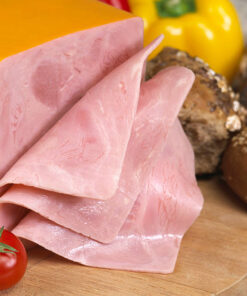
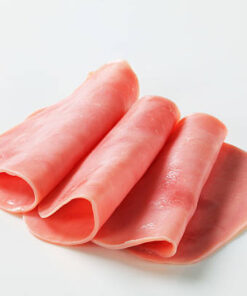
Bacon & Ham
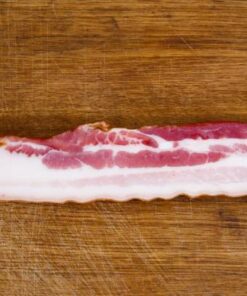
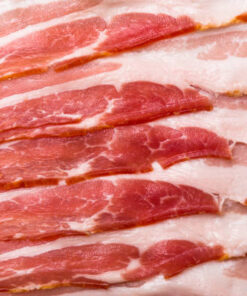
Bacon & Ham
Bacon & Ham
Wholesale Sourcing Specifications: Ham Halves
| Order Volume (MOQ) | Europe: Pallets / LCL accepted. International: 1x 20ft or 40ft FCL (Dry or Reefer) |
|---|---|
| Packaging | Varies by product (bulk, retail, private label). Request specific product specifications. |
| Incoterms | FOB Rotterdam / CIF Destination Port / DAP (Door-to-Door available) |
| Lead Time | Varies by product and origin; typically 14 to 21 working days |
| Quote Response | Proforma Invoice and spec sheet within 24 hours of RFQ |
| Quality Governance | BRCGS, IFS Food, ISO 22000, HACCP |
Reviews
There are no reviews yet.