
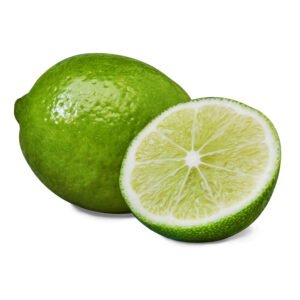
Fresh Lime

Fresh Lime is supplied by TG-Trading B.V. for fruit importers, wholesalers, supermarkets, food-service companies, beverage processors and food manufacturers. It is suitable for fresh retail, hospitality, juice production, beverages, sauces, marinades and other commercial applications. Variety, size, count, maturity, skin color, juice characteristics, origin, packaging and documentation may vary according to current sourcing and buyer requirements. Send TG-Trading B.V. your quantity, destination, intended use and required lime specification for a current wholesale quotation.
Fresh Lime
Product Details
Fresh Lime for Wholesale Supply
Fresh Lime is a commercially traded citrus fruit supplied for wholesale distribution, food manufacturing, beverage production, food service and retail produce programs. TG-Trading B.V. supplies Fresh Lime to international B2B buyers including fruit importers, produce wholesalers, distributors, supermarkets, juice processors, beverage manufacturers, hotels, restaurants, caterers and other commercial buyers.
For professional sourcing, buyers should confirm the required lime variety or cultivar, size or count, maturity, skin color, external quality, juice requirements, country of origin, packaging, labeling and phytosanitary documentation before placing an order.
Availability and commercial specifications may vary according to harvest season, sourcing region, destination and buyer requirements.
Fresh Lime for Wholesale Buyers
Fresh limes are used across retail, hospitality, beverage manufacturing and industrial food preparation.
Supermarkets may prioritize uniform size, attractive skin condition and retail presentation. Food-service buyers may focus on juice yield and manageable fruit size, while industrial processors can require defined maturity and juice characteristics.
TG-Trading B.V. supports specification-based sourcing rather than assuming that every lime shipment has identical variety, size, color or origin.
Buyers can also browse additional fresh produce through the TG-Trading B.V. Shop or submit requirements directly through the TG-Trading B.V. contact page.
What Is Fresh Lime?
Fresh Lime is the fresh fruit of citrus species and cultivars commercially marketed as limes. It is valued in international trade for its juice, acidity, aroma, peel and culinary versatility.
Several lime types are commercially available worldwide. Common examples include Persian or Tahitian-type limes and Mexican or Key-type limes, but the product name alone should not be used to assume a specific cultivar or botanical identity.
Commercial buyers should request the actual variety or cultivar information whenever it is important to their market or manufacturing process.
For reliable information on lime maturity, quality and postharvest behavior, buyers and quality-control teams can consult the University of California, Davis Postharvest Research and Extension Center:
UC Davis – Lime Postharvest Fact Sheet
UC Davis identifies color, size, shape, firmness, smoothness and freedom from decay and external defects among important lime quality indicators. It also explains that maturity and postharvest behavior vary according to factors including cultivar and maturity stage.
5 Key Commercial Uses
1. Supermarkets and Fresh Produce Retail
Fresh Lime is widely marketed through supermarkets, greengrocers and other fresh-produce retailers.
Retail buyers typically evaluate fruit according to size, color, firmness, surface condition and freedom from visible decay or damage.
Pack style and count requirements may vary considerably by market, so buyers should provide their preferred retail or wholesale presentation.
2. Hotels, Restaurants and Catering
Hotels, restaurants, bars and catering companies use limes for beverages, marinades, sauces, dressings, garnishes and numerous prepared dishes.
Food-service buyers may prioritize consistency of fruit size, juice performance and external condition.
A buyer serving a cocktail or beverage program, for example, may have different size and appearance requirements from a commercial kitchen using limes primarily for juice.
3. Juice and Beverage Processing
Juice processors, beverage companies and food manufacturers may purchase Fresh Lime as a raw material for lime juice, concentrates, flavored beverages and other formulations.
For processing applications, buyers may need to define maturity, juice content, acidity characteristics or other processing criteria.
Exact analytical specifications should be agreed with the supplier rather than inferred from fruit appearance.
4. Food Manufacturing
Limes may be used by manufacturers producing sauces, marinades, condiments, flavoring preparations, desserts and other food products.
Industrial buyers should state whether the primary requirement is juice, peel, whole-fruit processing or another application because this can influence acceptable size, maturity and external appearance.
5. Wholesale Produce Distribution
Importers and distributors may purchase Fresh Lime in bulk for resale to supermarkets, hospitality businesses, processors and regional produce markets.
Commercial distributors typically need consistent grading, appropriate packaging, lot traceability and documentation suitable for the destination market.
Specifications Buyers Should Confirm
Professional lime procurement should be based on an agreed specification.
Depending on the intended market, buyers may need to confirm:
- Commercial product name
- Variety or cultivar where required
- Botanical identification where relevant
- Country of origin
- Production region where required
- Fruit size
- Count per carton where applicable
- Size tolerance
- Skin color
- Maturity stage
- Firmness
- Shape
- Surface condition
- Juice requirements where relevant
- Defect tolerances
- Decay tolerance
- Residue requirements
- Packaging format
- Net carton weight
- Labeling
- Lot identification
- Traceability
- Phytosanitary documentation
- Certificate of origin where required
- Destination-market compliance
No exact size, juice percentage, cultivar, origin or pesticide-residue value should be assumed without confirmation from the current supply specification.
Green vs Yellow Lime Color
Color is an important commercial consideration.
Many markets associate green skin with commercially desirable limes, while fruit naturally becomes more yellow as maturity progresses.
UC Davis notes that mature-green limes generally have better postharvest longevity than fruit picked or marketed at a more yellow stage.
However, preferred color can vary by destination and end use.
Buyers should therefore provide a color or maturity requirement instead of simply requesting “ripe” fruit.
Size and Count Requirements
Fresh Lime may be commercially graded according to fruit dimensions, weight or count per package.
Retail chains frequently need relatively uniform fruit for shelf presentation, while catering and beverage buyers may prefer sizes that suit portion or garnish requirements.
Exact count systems vary between origins and exporters.
TG-Trading B.V. therefore recommends specifying the preferred fruit size or count rather than assuming one universal grade.
External Quality and Defects
Commercial fruit quality is influenced by appearance and physical condition.
Buyers may evaluate firmness, skin smoothness, bruising, rind damage, dryness, decay and other visible defects.
Defect tolerances should be included in the purchasing specification when they are commercially important.
A photograph can help communicate appearance expectations, but written grading criteria remain more reliable for international procurement.
Maturity and Juice Characteristics
Maturity affects color, handling performance and juice characteristics.
Fruit intended for retail distribution may require different maturity characteristics from fruit intended for immediate processing.
Juice processors should specify any minimum juice or analytical requirements relevant to their production process.
TG-Trading B.V. does not assume one standard juice percentage or maturity index for every supply program.
Packaging and Bulk Orders
Fresh Lime may be supplied in commercial produce packaging suitable for wholesale distribution, retail programs or food-service supply.
Possible packaging configurations depend on exporter, size grade, origin, buyer requirements and destination.
Commercial buyers should confirm:
- Packaging type
- Net package weight
- Fruit count where applicable
- Ventilation requirements
- Label format
- Pallet configuration
- Container requirements
- MOQ
No universal carton size or minimum order quantity should be assumed.
Postharvest Handling and Cold Chain
Fresh limes require appropriate postharvest handling to preserve commercial quality during transport and storage.
UC Davis reports that recommended conditions depend on cultivar, maturity stage and anticipated storage and transportation duration. The reference also notes that inappropriate temperatures can contribute to chilling injury and other quality problems.
For actual shipments, storage and transport conditions should follow the current supplier specification and logistics program.
Temperature management should remain consistent throughout packing, transport, warehousing and distribution.
International Sourcing and Distribution
TG-Trading B.V. supplies Fresh Lime for international commercial markets.
Availability can vary according to season, harvest, origin, cultivar, size grade, packaging, phytosanitary requirements and destination-country import conditions.
Importers should provide the destination country or port early in the RFQ process.
This allows relevant plant-health, labeling and documentation requirements to be considered when evaluating available supply.
Quality and Documentation
Depending on the origin and destination, buyers may request:
- Current product specification
- Certificate of origin
- Phytosanitary certificate
- Packing list
- Commercial invoice
- Lot traceability information
- Producer or packer details where applicable
- Residue analysis where required
- Quality inspection documentation
- Destination-specific labeling
- Organic documentation if specifically requested
- Other import documentation required by the destination authority
Organic, GlobalG.A.P., residue-compliant or other certification claims should only be made when supported by applicable documentation for the actual supply.
Frequently Asked Questions
What is Fresh Lime?
Fresh Lime is fresh citrus fruit commercially supplied for retail, food service, beverage production, food manufacturing and wholesale produce distribution.
Which lime variety is available?
Variety depends on current sourcing. Buyers requiring Persian, Tahitian, Key, Mexican or another specific type should state the requirement in the RFQ.
What sizes are available?
Fruit sizes and count grades vary according to origin, cultivar and current harvest. Buyers should specify their preferred size or count.
Are the limes green?
Color depends on variety and maturity. Buyers requiring a particular green color range should include it in the product specification.
What country of origin is supplied?
Origin varies according to season and current sourcing. Buyers requiring a particular origin should state this requirement before quotation.
What packaging is available?
Packaging depends on origin, fruit size, buyer requirements and destination. Current carton and pallet options are confirmed during quotation.
Can Fresh Lime be supplied for juice processing?
Yes, limes can be sourced for commercial beverage and food-processing applications. Buyers should specify relevant maturity and juice requirements.
Is organic Fresh Lime available?
Organic status should not be assumed. Buyers requiring organic supply should request applicable certification and current availability.
What is the minimum order quantity?
MOQ varies according to origin, size, packaging, destination and current availability.
How do I request a wholesale quote?
Provide quantity, destination country or port, intended use, preferred variety, fruit size or count, maturity or color requirement, packaging and documentation needs.
Why Source Through TG-Trading B.V.?
TG-Trading B.V. supports specification-led international fresh-produce procurement.
For Fresh Lime, this means establishing variety, size, count, maturity, color, external-quality requirements, origin preferences, packaging, destination and documentation before evaluating current supply.
This approach helps importers, distributors, supermarkets, processors and food-service buyers purchase against defined commercial requirements instead of assumptions about variety, origin or certification.
Request a Wholesale Quote
To request a wholesale quotation for Fresh Lime, provide TG-Trading B.V. with your required quantity, destination country or port, intended use, preferred variety or cultivar, fruit size or count, maturity and color specification, packaging requirements and required documentation.
Also state any mandatory origin, residue, phytosanitary, certification, labeling or destination-market requirements.
Contact TG-Trading B.V. for current availability, MOQ, grading, packaging, documentation and commercial pricing.
Be the first to review “Fresh Lime”
Related products

Citrus Fruits
Citrus Fruits

Citrus Fruits

Citrus Fruits
Wholesale Sourcing Specifications: Fresh Lime
| Order Volume (MOQ) | Europe: Pallets / LCL accepted. International: 1x 20ft or 40ft FCL (Dry or Reefer) |
|---|---|
| Packaging | Varies by product (bulk, retail, private label). Request specific product specifications. |
| Incoterms | FOB Rotterdam / CIF Destination Port / DAP (Door-to-Door available) |
| Lead Time | Varies by product and origin; typically 14 to 21 working days |
| Quote Response | Proforma Invoice and spec sheet within 24 hours of RFQ |
| Quality Governance | BRCGS, IFS Food, ISO 22000, HACCP |
Reviews
There are no reviews yet.