
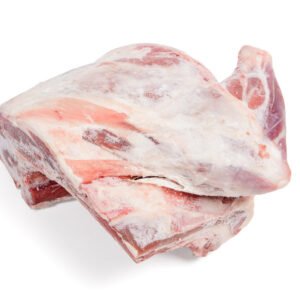
Frozen Lamb Forelegs
Frozen Lamb Forelegs are frozen lamb forequarter cuts supplied by TG-Trading B.V. for meat importers, wholesalers, supermarkets, hotels, restaurants, caterers and processors. They can be suitable for roasting, braising, food service, retail meat programs, further cutting and wholesale distribution. Exact cut, bone status, shank presentation, unit weight, trimming, origin, packaging, Halal status and veterinary documentation vary according to the current supplier specification. Send TG-Trading B.V. your quantity, destination and required cut specification for a current wholesale quotation.
Frozen Lamb Forelegs
Product Details
Frozen Lamb Forelegs for Wholesale Supply
Frozen Lamb Forelegs are commercially prepared lamb forequarter or foreleg cuts frozen for wholesale meat distribution, food service, retail meat programs and further processing. TG-Trading B.V. supplies Frozen Lamb Forelegs to international B2B buyers including meat importers, wholesalers, distributors, supermarkets, hotels, restaurants, caterers, institutional kitchens and food processors.
Commercial buyers should confirm the exact anatomical cut, bone status, shank presentation, unit weight range, trimming standard, fat cover, freezing method, origin, packaging and required veterinary documentation before ordering.
TG-Trading B.V. evaluates each enquiry according to quantity, destination country or port, intended use and the buyer’s required commercial meat specification.
Frozen Lamb Forelegs for Wholesale Buyers
Frozen Lamb Forelegs can be suitable for buyers requiring lamb from the forequarter for roasting, braising, stewing, portioning, retail sale or further processing.
Restaurants and caterers may prioritize unit weight and bone presentation for portion planning. Meat distributors may focus on standardized cut descriptions, carton configuration and destination documentation, while processors may require defined trimming, fat cover and cutting specifications.
Buyers can also compare Frozen Lamb Leg or browse additional meat products through the TG-Trading B.V. Shop.
What Are Frozen Lamb Forelegs?
Frozen Lamb Forelegs are frozen cuts prepared from the front or forequarter region of a lamb carcass according to an agreed commercial meat specification.
Terminology can vary between countries, processors and meat-cutting systems. In some markets, products described as foreleg may be associated with shoulder, arm, shank or broader forequarter cutting specifications.
For this reason, professional buyers should not rely only on the term “foreleg.”
The USDA Food Safety and Inspection Service identifies shoulder and shank/breast among the major lamb primal regions and provides official guidance on lamb cuts, handling and frozen storage.
Authoritative external reference:
USDA FSIS – Lamb From Farm to Table
This resource is useful to meat buyers, processors and quality teams because it provides an authoritative reference for lamb primal terminology and food-safety handling.
The current supplier specification should ultimately determine the exact cut supplied as Frozen Lamb Forelegs.
5 Key Commercial Uses
1. Restaurants and Hotels
Frozen Lamb Forelegs may be used by restaurants, hotels and professional kitchens for braising, roasting, slow cooking and other lamb dishes.
Food-service buyers may require defined unit weights so portion planning, cooking schedules and menu costing remain consistent.
The preferred bone and shank configuration should be clearly stated before quotation.
2. Catering and Institutional Food Service
Caterers, banquet operators and institutional kitchens may use lamb foreleg cuts for large-volume meal preparation.
These buyers may prioritize predictable weight ranges, manageable pack sizes and repeatable cut specifications.
Providing an exact commercial cut description helps reduce variation between shipments.
3. Retail Meat Programs
Supermarkets and specialist meat retailers may source Frozen Lamb Forelegs for direct resale or further cutting.
Retail buyers may need defined product weights, origin information, traceability, packaging and destination-specific labeling.
If the product will be sold under a particular retail cut name, that designation should match the actual cut supplied.
4. Further Cutting and Processing
Meat processors may use lamb forelegs as raw material for smaller portions, cubes, stewing meat or other value-added products.
Processors should define bone status, trimming, fat cover and acceptable weight tolerance according to their production requirements.
5. Wholesale Meat Distribution
Importers and distributors may purchase Frozen Lamb Forelegs for onward distribution to restaurants, butcher shops, supermarkets, caterers and processors.
Commercial buyers should confirm the anatomical cut, weight grade, origin, freezing condition, packaging and veterinary documentation before contracting.
Specifications Buyers Should Confirm
A professional wholesale specification may address:
- Product designation
- Anatomical cut description
- Lamb age category where required
- Foreleg or shoulder relationship
- Bone-in or boneless presentation
- Shank-on or shank-off
- Individual unit weight
- Weight range and tolerance
- Fat cover
- External trimming
- Internal trimming
- Loose-tissue requirements
- Defect tolerances
- Sensory condition
- Freezing method
- Packaging format
- Net carton weight
- Country of origin
- Processing establishment
- Veterinary or health documentation
- Microbiological requirements
- Residue requirements where applicable
- Lot traceability
- Production and freezing information
- Destination-market labeling
Exact technical values should be taken from the current supplier specification rather than assumed.
Foreleg vs Lamb Leg
Foreleg and leg should not be treated as interchangeable cuts.
The lamb leg comes from the hindquarter, while a foreleg product comes from the front portion of the carcass and can overlap commercially with shoulder or forequarter terminology depending on the cutting system.
This distinction is important for food-service preparation, yield calculations and retail labeling.
TG-Trading B.V. also lists Frozen Lamb Leg for buyers specifically requiring the hind-leg primal.
Bone-In vs Boneless Presentation
Frozen Lamb Forelegs may be supplied bone-in or according to another processor-defined specification.
Bone-in cuts can be suitable for roasting, braising and traditional food-service applications, while boneless or partially boned formats can serve different processing requirements.
No particular bone status should be assumed from the product name.
Buyers should clearly state whether bone-in, boneless or another deboning specification is required.
Shank Presentation
Shank status can affect the total length, weight and intended use of a foreleg cut.
Depending on the processor, the shank may remain attached or may be removed according to the cutting specification.
Commercial buyers requiring a specific presentation should state shank-on or shank-off in their RFQ.
Unit Weight and Size Grading
Weight grading is important for wholesale lamb procurement.
Restaurants and caterers may require relatively uniform units for predictable cooking and serving yields. Retailers may prefer specific weight brackets, while processors can optimize cutting programs around defined raw-material sizes.
There is no universal weight for Frozen Lamb Forelegs.
Buyers should provide the required unit-weight range and acceptable tolerance.
Trimming and Fat Cover
Trimming specifications can differ considerably between processors and destination markets.
Buyers may need to define external fat cover, loose tissue, glands, excess connective tissue or other trimming requirements.
A product photograph should not replace a written commercial specification.
Where trimming affects yield or presentation, the requirements should be agreed before contracting.
Frozen Condition and Cold Chain
This listing refers to frozen lamb.
The actual freezing method, storage requirements and shelf life should be confirmed from the current supplier documentation.
Frozen lamb should remain within a controlled frozen cold chain throughout storage, transport and distribution.
Buyers should prevent uncontrolled thawing, temperature abuse and inappropriate refreezing.
Receiving inspections should include product temperature where applicable, carton condition, lot identification and documentation checks.
Packaging and Bulk Orders
Frozen Lamb Forelegs may be supplied in commercial meat packaging according to the cut format, unit weight, processor and destination.
Exact packaging may vary and should be confirmed before ordering.
Important purchasing details include:
- Individual unit weight
- Number of pieces per carton
- Net carton weight
- Inner packaging
- Master carton configuration
- Label requirements
- Pallet configuration
- Container loading
- MOQ
TG-Trading B.V. does not assume one universal carton size or MOQ for every supply program.
International Sourcing and Distribution
TG-Trading B.V. lists Frozen Lamb Forelegs under Meat & Poultry → Lamb.
Availability may vary according to origin, carcass-cutting specification, weight range, bone status, processor capacity, packaging, veterinary approvals and destination-country import requirements.
Buyers should provide the destination country or port early in the enquiry so establishment eligibility, health certification and labeling requirements can be considered.
Halal and Other Certification Requirements
Halal status must not be assumed.
Buyers requiring Halal Frozen Lamb Forelegs should state that requirement clearly and verify that the applicable certification covers the actual processing establishment and shipment.
The same approach applies to organic, grass-fed, free-range, animal-welfare or other production claims.
Such claims should only be used when valid documentation supports the offered supply.
Quality and Documentation
Depending on origin, destination and intended use, buyers may request:
- Current product specification
- Veterinary or health certificate
- Certificate of origin
- Establishment identification
- Lot traceability
- Packing list
- Weight declaration
- Production or freezing details
- Microbiological test results
- Residue information where applicable
- Halal certificate where specifically required
- Food-safety certification documentation
- Destination-market labeling documentation
No origin, breed, feeding-system, Halal, organic or animal-welfare claim should be made without supporting documentation for the actual offered product.
Frequently Asked Questions
What are Frozen Lamb Forelegs?
They are frozen lamb cuts prepared from the front or forequarter region of the carcass according to an agreed commercial cutting specification.
Are Frozen Lamb Forelegs the same as lamb leg?
No. Lamb leg generally comes from the hindquarter, while foreleg refers to the front portion of the carcass.
Are the forelegs bone-in?
They may be bone-in or supplied to another specification. Buyers should confirm the required bone status.
Is the shank included?
Shank-on or shank-off presentation depends on the processor and should be specified before ordering.
What weight ranges are available?
Unit weights vary according to processor, cut specification and sourcing program. Buyers should state their preferred range.
Are Frozen Lamb Forelegs Halal?
Halal status must be verified from current certification. It should not be assumed from the product name.
What country of origin is available?
Origin depends on current sourcing and destination eligibility. Buyers requiring a particular origin should include it in their RFQ.
How are Frozen Lamb Forelegs packaged?
Packaging depends on unit size, processor and destination. Exact carton and inner-pack configuration is confirmed during quotation.
What is the minimum order quantity?
MOQ varies according to specification, origin, packaging, destination and current availability.
What information is needed for a wholesale quotation?
Provide quantity, destination country or port, intended use, cut description, weight range, bone and shank requirements, trimming, packaging and documentation needs.
Why Source Through TG-Trading B.V.?
TG-Trading B.V. supports specification-led international meat procurement.
For Frozen Lamb Forelegs, this means confirming the anatomical cut, unit weight, bone and shank presentation, trimming, packaging, origin, destination and veterinary documentation before evaluating current supply.
This helps meat importers, wholesalers, restaurants, retailers, caterers and processors purchase according to clearly defined commercial requirements instead of assumptions about cut, weight, origin or certification.
Request a Wholesale Quote
To request a wholesale quotation for Frozen Lamb Forelegs, provide TG-Trading B.V. with your required quantity, destination country or port, intended use, preferred unit-weight range, exact cut description, bone-in or boneless requirement, shank presentation, trimming, packaging and documentation needs.
Also state any mandatory origin, Halal, microbiological, residue, veterinary, establishment-approval or destination-labeling requirements.
Contact TG-Trading B.V. for current availability, MOQ, specifications, packaging, documentation and commercial pricing.
Be the first to review “Frozen Lamb Forelegs”
Related products
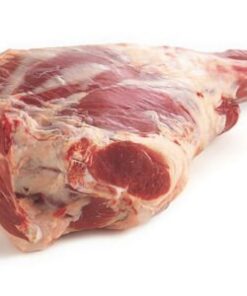
Lamb
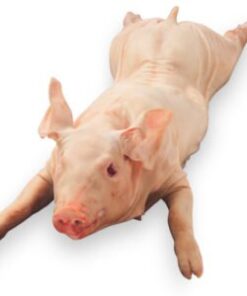
Pork
Wholesale Sourcing Specifications: Frozen Lamb Forelegs
| Order Volume (MOQ) | Europe: Pallets / LCL accepted. International: 1x 20ft or 40ft FCL (Dry or Reefer) |
|---|---|
| Packaging | Varies by product (bulk, retail, private label). Request specific product specifications. |
| Incoterms | FOB Rotterdam / CIF Destination Port / DAP (Door-to-Door available) |
| Lead Time | Varies by product and origin; typically 14 to 21 working days |
| Quote Response | Proforma Invoice and spec sheet within 24 hours of RFQ |
| Quality Governance | BRCGS, IFS Food, ISO 22000, HACCP |
Reviews
There are no reviews yet.