
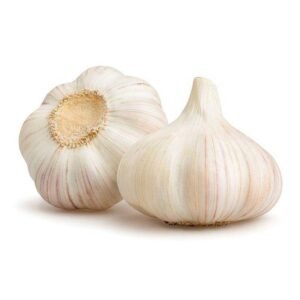
Fresh Garlic
Fresh Garlic is the bulb of Allium sativum, sourced by TG-Trading B.V. for produce importers, wholesalers, supermarkets, restaurants, food-service distributors and food manufacturers. It is suitable for fresh retail, culinary use, sauces, pastes, preserved foods and industrial processing. Bulb size, color type, origin, maturity, curing condition, packaging and documentation may vary according to current sourcing. Send TG-Trading B.V. your quantity, destination, intended use and required garlic specification to request a wholesale quotation.
Fresh Garlic
Product Details
Fresh Garlic for Wholesale Supply
Fresh Garlic is the harvested bulb of Allium sativum, supplied commercially for fresh retail, wholesale distribution, food service, seasoning production and food manufacturing. TG-Trading B.V. sources and distributes Fresh Garlic for international B2B buyers including produce importers, wholesalers, supermarkets, fresh-vegetable distributors, restaurants, hotels, caterers, spice processors and food manufacturers.
Commercial garlic requirements can vary by market and end use. Buyers should therefore confirm bulb size, color type, maturity, curing condition, clove fill, firmness, cleanliness, root and top condition, packaging, origin and destination-market documentation before ordering.
TG-Trading B.V. evaluates each enquiry according to quantity, destination country or port, intended use and the buyer’s required garlic specification.
Fresh Garlic for Wholesale Buyers
Fresh Garlic is a widely traded culinary ingredient used across retail, food service and industrial food production.
Retail buyers may prioritize uniform bulbs, attractive outer skin, suitable size and freedom from significant defects. Food-service buyers may focus more heavily on clove size, peeling convenience and consistency, while processors may emphasize usable yield, flavor, bulb condition and reliable supply.
Buyers can browse TG-Trading B.V.’s Fresh Vegetables range when building a broader fresh-produce sourcing program.
What Is Fresh Garlic?
Fresh Garlic is the bulb of Allium sativum, composed of individual cloves enclosed within protective skin layers and used extensively as a culinary and processing ingredient.
Commercial garlic may be grouped by color, bulb size, maturity and market specification. USDA inspection guidance recognizes white garlic and purple garlic as commercial color types and notes that garlic can be packed in cartons, crates, lugs and open mesh sacks.
The USDA Agricultural Marketing Service also publishes official Garlic Grades and Standards. Under the U.S. No. 1 standard, qualifying garlic must meet requirements relating to maturity, curing, compactness, clove fill and freedom from specified defects.
These U.S. standards should not automatically be applied to every international shipment. Buyers should specify the commercial standard required for their market.
5 Key Commercial Uses
1. Supermarket and Fresh Retail Programs
Fresh Garlic is commonly supplied to supermarkets, greengrocers and specialist food retailers.
Retail buyers may prioritize uniform bulb size, attractive external appearance, dry outer skins, compact cloves and limited mechanical damage.
Consumer-facing programs may also require specific pack sizes, net weights, labels and country-of-origin information.
2. Restaurants, Hotels and Catering
Restaurants, hotels and professional kitchens use garlic in sauces, marinades, soups, stews, roasted dishes and numerous other preparations.
Food-service buyers may prioritize medium or large cloves that are easier to peel and process in commercial kitchens.
The preferred bulb size and packaging format should be specified according to expected usage volume.
3. Sauce, Paste and Seasoning Production
Food manufacturers may use Fresh Garlic in garlic paste, marinades, sauces, seasoning blends and prepared-food products.
Industrial processors should establish their own requirements for bulb maturity, clove fill, firmness, flavor, peeling performance and usable yield.
Processing specifications may differ from premium retail appearance requirements.
4. Pickled and Preserved Products
Garlic may be used in pickled products, fermented preparations and other preserved-food applications.
Processors should define acceptable bulb and clove size, maturity, defect tolerances and any specific food-safety or processing requirements.
Exact suitability should be assessed according to the intended production method.
5. Wholesale Produce Distribution
Importers and regional distributors may source Fresh Garlic for onward sale to supermarkets, food-service companies, processors and regional produce wholesalers.
Wholesale programs require coordination of bulb size, type, packaging, origin, transport conditions, phytosanitary requirements and destination-market labeling.
Specifications Buyers Should Confirm
Commercial garlic purchasing should be based on an agreed product specification.
Important parameters may include:
- Botanical identity
- Commercial color type
- Country or region of origin
- Bulb diameter or size grade
- Bulb weight where required
- Maturity
- Curing condition
- Compactness
- Clove fill
- Skin condition
- Root trimming
- Top trimming
- Cleanliness
- Dirt or staining tolerances
- Sprouting tolerance
- Mechanical damage tolerance
- Mold tolerance
- Decay tolerance
- Insect-damage tolerance
- Packaging configuration
- Net carton weight
- Batch or lot traceability
- Phytosanitary documentation
- Destination-market labeling requirements
Exact bulb size, origin, cultivar, moisture level, storage life, pesticide-residue values, certification and packaging quantity should not be assumed.
These characteristics may vary according to producer, season, origin, market requirements and buyer specification.
White Garlic vs Purple Garlic
Fresh Garlic may be commercially identified by bulb color.
USDA garlic inspection instructions distinguish two commercial color types: white garlic and purple garlic, sometimes described as red garlic.
Color should not automatically be treated as a quality grade. Quality depends on the agreed commercial specification and characteristics such as maturity, compactness, clove fill and freedom from defects.
Buyers requiring a specific color type should identify it clearly in their RFQ.
Fresh Garlic vs Dried Garlic
Fresh and dried garlic are different commercial products.
Fresh Garlic retains its natural bulb structure and is supplied for direct culinary use or further processing.
Dried garlic has undergone moisture reduction and may be supplied as flakes, granules or powder. Drying changes storage, handling and manufacturing characteristics.
Buyers seeking garlic powder or granules should therefore treat those products as separate specifications rather than substitutes for fresh bulbs.
Quality and Commercial Grading
Quality evaluation can include bulb maturity, curing, compactness and freedom from important defects.
USDA’s U.S. No. 1 grade specifies garlic with similar varietal characteristics that is mature, well cured, compact and reasonably well filled, with tolerances for defects and size.
The standard also addresses defects such as mold, decay, shattered cloves, staining, sunburn, cuts, sprouts, roots, disease, insect injury and mechanical damage.
For international B2B purchasing, buyers should identify the standard or defect tolerances required for their destination market rather than assume U.S. grading automatically applies.
Packaging and Bulk Orders
Fresh Garlic may be supplied in cartons, crates, mesh sacks or other produce packaging depending on origin, bulb size, destination and buyer requirements.
USDA inspection guidance notes that commercial garlic is commonly packed in lugs, cartons and crates and may also be shipped in open mesh sacks.
Exact net weight, bag or carton configuration, inner packaging, palletization, container loading and MOQ should be confirmed in the current commercial quotation.
Buyers should also indicate whether the garlic is intended for retail repacking, food service or industrial processing.
International Sourcing and Distribution
TG-Trading B.V. sources Fresh Garlic for international produce importers, wholesalers, supermarket groups, food-service distributors and manufacturers.
The appropriate TG-Trading site placement is Fresh Vegetables, which is already part of the company’s live product taxonomy.
International availability may depend on origin, season, bulb size, required color type, quantity, packaging, destination and phytosanitary eligibility.
Buyers should provide destination information early so applicable import and documentation requirements can be evaluated before shipment.
Storage, Handling and Transport
Garlic requires appropriate dry, ventilated handling to limit sprouting, mold development, decay and physical damage.
Exact storage temperature, relative humidity and expected commercial shelf life can vary according to curing condition, origin, variety and logistics program.
These conditions should therefore be confirmed from the current supplier specification rather than assumed.
Bulbs should also be protected from crushing and excessive moisture during warehousing and transportation.
Quality and Documentation
Depending on origin and destination, buyers may request a current product specification, phytosanitary certificate, certificate of origin, pesticide-residue documentation, packing list and lot traceability records.
If organic certification, GlobalG.A.P., a particular origin or another sourcing condition is mandatory, buyers should include it in their RFQ.
Organic, residue-compliant, GlobalG.A.P. or other certification claims should only be confirmed when supporting documentation applies to the specific supply.
Frequently Asked Questions
What is Fresh Garlic?
It is the harvested bulb of Allium sativum, made up of individual cloves and supplied for fresh retail, food service and food processing.
What commercial garlic colors are available?
USDA inspection guidance recognizes white garlic and purple garlic as commercial color types. Availability depends on current sourcing.
What sizes of Fresh Garlic are available?
Bulb sizes vary by origin, crop and supplier. Buyers should specify their required diameter, weight or commercial size grade.
What does U.S. No. 1 garlic mean?
Under USDA standards, U.S. No. 1 garlic must meet defined requirements for maturity, curing, compactness, clove fill and freedom from specified defects.
Is Fresh Garlic organic?
Not automatically. Organic status should only be stated when valid organic certification applies to the specific supply.
How is Fresh Garlic packaged for wholesale?
Commercial packaging may include cartons, crates, mesh sacks or other ventilated formats. Exact pack weight should be confirmed in the quotation.
Can buyers request white or purple garlic?
Yes. Buyers should specify the preferred commercial color type in their RFQ.
What is the minimum order quantity?
MOQ varies according to origin, season, packaging, destination and current availability. TG-Trading B.V. confirms the applicable MOQ with the current commercial offer.
What documentation may importers require?
Depending on destination, buyers may require phytosanitary documentation, certificate of origin, residue information, product specifications and traceability records.
How can I request a wholesale quotation?
Provide TG-Trading B.V. with required quantity, destination country or port, preferred bulb size, color type, intended use, packaging and documentation requirements.
Why Source Through TG-Trading B.V.?
TG-Trading B.V. supports specification-led international fresh-produce procurement.
For Fresh Garlic, this means reviewing bulb size, commercial type, maturity, curing condition, intended use, packaging, origin preferences and destination requirements before evaluating sourcing options.
This helps wholesalers, retailers, food-service companies and processors purchase according to clear commercial requirements rather than relying on assumptions about grade, certification or origin.
Request a Wholesale Quote
To request a wholesale quotation for Fresh Garlic, provide TG-Trading B.V. with your required quantity, destination country or port, intended use, preferred bulb size, color type, packaging and documentation requirements.
Also state any mandatory origin, phytosanitary, residue, organic, GlobalG.A.P. or other certification requirements.
Contact TG-Trading B.V. for current availability, MOQ, specifications, packaging options, documentation and commercial pricing.
Be the first to review “Fresh Garlic”
Related products
Fresh Vegetables

Fresh Vegetables

Fresh Vegetables

Fresh Vegetables

Fresh Vegetables
Fresh Vegetables
Fresh Vegetables

Fresh Vegetables
Wholesale Sourcing Specifications: Fresh Garlic
| Order Volume (MOQ) | Europe: Pallets / LCL accepted. International: 1x 20ft or 40ft FCL (Dry or Reefer) |
|---|---|
| Packaging | Varies by product (bulk, retail, private label). Request specific product specifications. |
| Incoterms | FOB Rotterdam / CIF Destination Port / DAP (Door-to-Door available) |
| Lead Time | Varies by product and origin; typically 14 to 21 working days |
| Quote Response | Proforma Invoice and spec sheet within 24 hours of RFQ |
| Quality Governance | BRCGS, IFS Food, ISO 22000, HACCP |
Reviews
There are no reviews yet.