
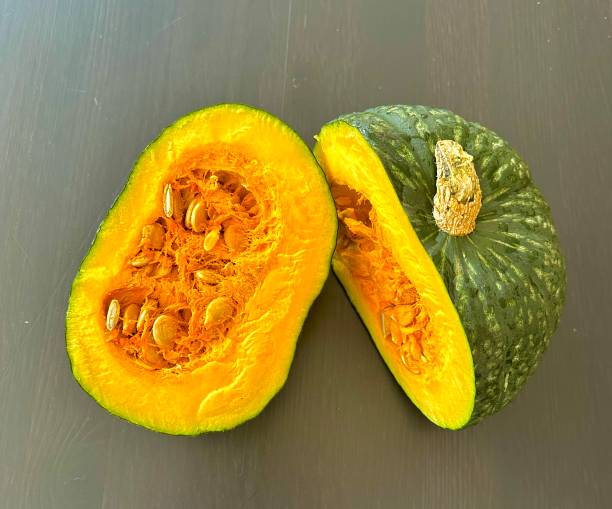
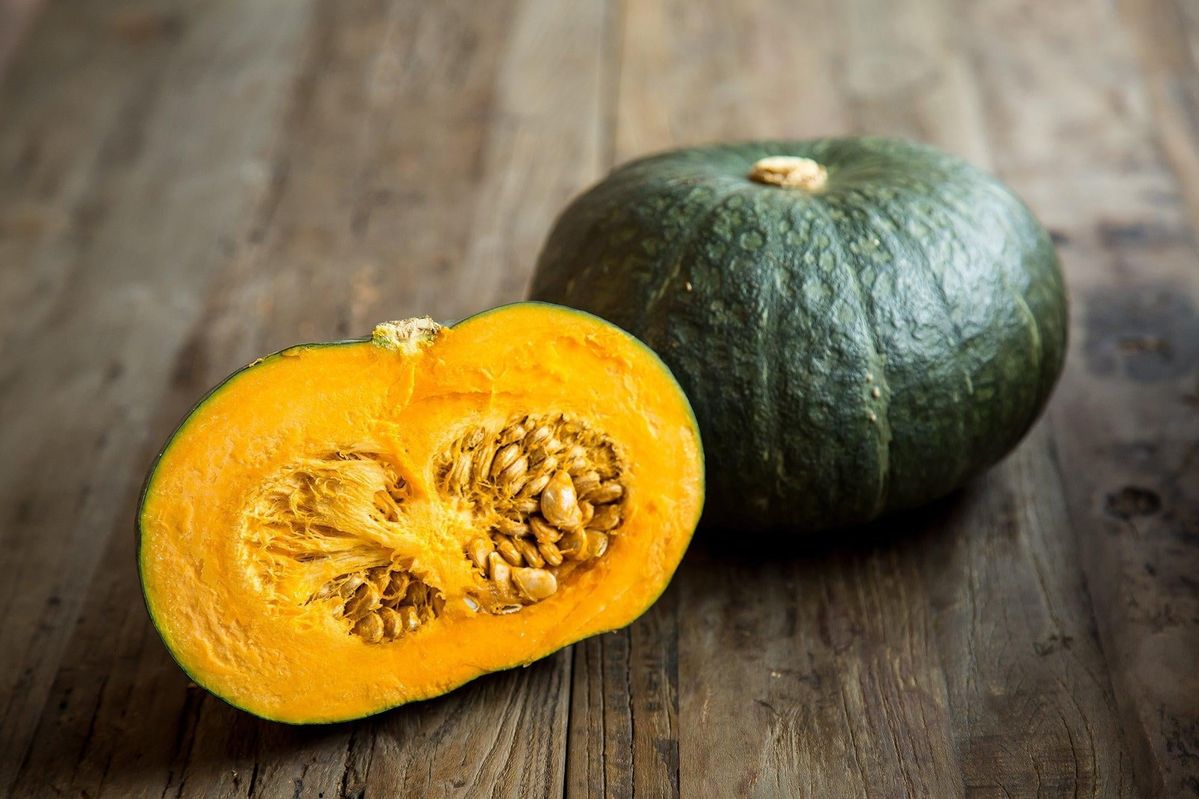
Kabocha Squash

TG-Trading B.V. supplies Kabocha Squash to international B2B buyers including fresh-produce importers, wholesalers, supermarkets, food processors, food-service distributors, restaurants, caterers and retailers. Commercial applications include fresh retail, roasting, soups, purees, prepared meals, bakery products and food service. Variety, size, maturity, rind and flesh characteristics, grade, origin, packaging, MOQ, price and availability may vary according to current sourcing and buyer requirements. Send your required quantity, destination, intended use, preferred variety or size, packaging preference and documentation requirements to request a current wholesale quotation.
Kabocha Squash
Product Details
Kabocha Squash for Wholesale Supply
Kabocha Squash is a winter squash product purchased by fresh-produce importers, wholesalers, supermarket procurement teams, food-service distributors, restaurants, caterers, and food processors. It is used in fresh retail, roasting, soups, purees, prepared meals, bakery applications, and other commercial food programs. Because commercial specifications can vary, buyers should confirm variety, size, maturity, skin and flesh characteristics, grade, packaging, origin, and destination documentation before purchase.
TG-Trading B.V. sources and distributes Kabocha Squash for international B2B buyers. Supply is evaluated according to current sourcing, supplier specification, destination requirements, intended use, and requested commercial presentation. Buyers can also explore our Fresh Vegetables category for related fresh-produce products.
What Is Kabocha Squash?
For crop identification, the USDA Agricultural Research Service cultivated Cucurbita reference lists kabocha among the common names associated with Cucurbita maxima. The offered cultivar, maturity, size and commercial specification must still be confirmed for each lot.
The product name does not establish one fixed cultivar, size, grade, sweetness level, dry-matter content, skin color, flesh color, origin, package size, shelf life, or certification. These details should be confirmed for the actual lot.
Kabocha is often selected for cooking applications where dense squash flesh is suitable for roasting, baking, soups, mashing, and further preparation. Commercial suitability still depends on the confirmed variety, maturity, condition, and buyer requirements.
5 Key Commercial Uses
1. Fresh Retail and Supermarket Programs
Kabocha Squash can be supplied to supermarkets, grocery chains, produce distributors, and specialty retailers for fresh-produce displays and consumer packs. Retail buyers may prioritize fruit appearance, size uniformity, rind condition, maturity, and packaging.
Where a specific cultivar or visual profile is important, buyers should provide clear specifications rather than relying on the general product name.
2. Restaurants, Catering and Food Service
Restaurants, hotels, caterers, and institutional kitchens may use the squash for roasting, steaming, soups, curries, side dishes, purees, and other cooked menu applications.
Food-service distributors should communicate preferred fruit size, maturity, and pack configuration where portion planning or kitchen handling is important.
3. Soups, Purees and Prepared Foods
Food processors may use Kabocha Squash in soups, purees, sauces, fillings, ready meals, and vegetable preparations. Processing buyers may focus on usable yield, flesh characteristics, consistency, maturity, and suitability for cutting or cooking.
Manufacturers should communicate any technical requirements that affect processing performance, including preferred size, flesh characteristics, or dry-matter parameters where relevant.
4. Bakery, Dessert and Ingredient Applications
Kabocha Squash may also be used in bakery fillings, breads, cakes, pies, desserts, and other formulated foods after appropriate cooking or processing. The most suitable variety and maturity depend on the intended recipe and manufacturing process.
Processors should not assume a specific sweetness, texture, or analytical value unless these parameters are included in the confirmed specification.
5. Wholesale Fresh-Produce Distribution
Importers and produce wholesalers may purchase Kabocha Squash for onward distribution to supermarkets, food-service businesses, processors, restaurants, and regional produce markets. Downstream buyers may require different size ranges, grades, packaging formats, and documentation, so the intended market should be defined in the RFQ.
Commercial Specifications Buyers Should Confirm
There is no single specification that should be assumed for every commercial order. Depending on destination and intended use, buyers may need to confirm:
- Kabocha cultivar or commercial variety where required
- Fruit size or weight range
- Shape and external appearance
- Rind color and condition
- Flesh color where relevant
- Maturity requirements
- Grade or defect tolerances
- Firmness and internal quality requirements
- Dry matter, soluble solids, or other analytical parameters where required
- Stem condition
- Packaging type and pack configuration
- Net and gross weight requirements
- Labeling and language requirements
- Origin preference, if any
- Phytosanitary, inspection, or residue-testing requirements
- Required health, customs, agricultural, and commercial documentation
Exact characteristics may vary according to current sourcing, supplier specification, season, destination, and buyer requirements. TG-Trading B.V. should confirm variety, size, grade, maturity, origin, packaging, shelf life, storage requirements, and other technical details for the actual Kabocha Squash lot before contract.
Kabocha Squash vs Fresh Sweet Potatoes and Other Fresh Vegetables
This squash and Fresh Sweet Potatoes can both serve roasting, pureeing, prepared-food, and food-service applications, but they are different crops with different structure, preparation, flavor profile, and procurement specifications.
Buyers can review Fresh Sweet Potatoes when they require a storage-root product, or Fresh Carrots when building a broader fresh-vegetable sourcing program. These products should not automatically be treated as substitutes because processing yield, texture, sizing, handling, and finished-food applications differ.
Wholesale Supply and Bulk Orders
TG-Trading B.V. handles Kabocha Squash enquiries from fresh-produce importers, wholesalers, supermarket procurement teams, food processors, food-service distributors, retailers, restaurants, caterers, and procurement companies. Commercial quantities are evaluated against the requested specification and destination rather than a fixed universal configuration.
MOQ, available quantity, origin, price, variety, size range, grade, packaging, stock status, and delivery time are not fixed across every sourcing program.
For an efficient quotation, buyers should provide the required quantity, destination country or discharge port, intended use, preferred variety, size or grade, packaging preference, and mandatory documentation.
Fresh-produce buyers should also communicate receiving-market expectations for cosmetic condition, allowable surface defects, stem presentation, count per package, and any destination-specific inspection requirements. Where the order will be repacked after arrival, the buyer should state the intended retail or food-service format so sourcing and pack configuration can be reviewed accordingly.
Packaging, Storage and International Distribution
Kabocha Squash requires appropriate postharvest handling to protect the rind and maintain commercial condition during storage and distribution. Handling requirements can vary by cultivar, maturity, shipment duration, and destination.
Exact storage temperature, humidity targets, shelf life, curing status, and transport conditions should follow the supplier specification and shipment plan rather than generic assumptions.
Packaging may include cartons, crates, bins, or other produce configurations depending on supplier capability and buyer requirements. Pack weight, count, palletization, ventilation, labeling, and loading arrangements should be confirmed during quotation.
TG-Trading B.V. coordinates international sourcing and distribution with origin, Incoterm, loading point, shipment schedule, packaging, labeling, and required documentation confirmed for each transaction.
Quality and Documentation
Commercial fresh-vegetable transactions may require product specifications, phytosanitary documentation, pesticide-residue information, inspection records, origin documents, traceability information, packaging details, and buyer-specific quality requirements.
TG-Trading B.V. can review requested documentation against current supply. For this product, no organic certification, exact cultivar, fixed size, origin, grade, sweetness, dry-matter level, shelf life, storage condition, or other technical attribute should be assumed unless verified for the offered lot.
Why Source Through TG-Trading B.V.?
International fresh-produce procurement depends on matching variety, size, quality specification, quantity, destination, packaging, logistics, and documentation with current available supply. TG-Trading B.V. reviews these requirements before quotation so professional buyers can evaluate suitable options for retail, food service, food processing, repacking, or distribution.
This approach supports Kabocha Squash enquiries without relying on unsupported assumptions about variety, size, origin, packaging, certification, or availability.
Request a Wholesale Quote
For a current Kabocha Squash quotation, send TG-Trading B.V. your required quantity, destination country or port, intended use, preferred variety, size or grade, packaging preference, and documentation or testing requirements.
Submit your RFQ through the TG-Trading B.V. contact page. Complete procurement details help the sales team evaluate suitable sourcing options and prepare current commercial terms for your transaction.

Be the first to review “Kabocha Squash”
Related products
Fresh Vegetables

Fresh Vegetables

Fresh Vegetables

Fresh Vegetables

Fresh Vegetables
Fresh Vegetables

Fresh Vegetables
Fresh Vegetables
Wholesale Sourcing Specifications: Kabocha Squash
| Order Volume (MOQ) | Europe: Pallets / LCL accepted. International: 1x 20ft or 40ft FCL (Dry or Reefer) |
|---|---|
| Packaging | Varies by product (bulk, retail, private label). Request specific product specifications. |
| Incoterms | FOB Rotterdam / CIF Destination Port / DAP (Door-to-Door available) |
| Lead Time | Varies by product and origin; typically 14 to 21 working days |
| Quote Response | Proforma Invoice and spec sheet within 24 hours of RFQ |
| Quality Governance | BRCGS, IFS Food, ISO 22000, HACCP |
Reviews
There are no reviews yet.