

Broken Rice 5%

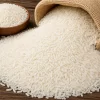
Source Broken Rice 5% for wholesale and international distribution through TG-Trading B.V. We supply rice importers, wholesalers, supermarkets, food-service distributors, restaurants, institutional buyers, processors and packers worldwide. Origin, rice variety, grain length, moisture, milling degree, packaging, MOQ and availability may vary according to current sourcing. Send your required quantity, destination and preferred specification to receive current product information and a commercial quotation. Bulk supply can be reviewed for distributors, processors and procurement companies according to the required market, quantity and commercial specification. International B2B buyers can request current origin, specification, packing, documentation and logistics information without relying on unverified assumptions.
Broken Rice 5%
Product Details
Broken Rice 5% for Wholesale Supply
Broken Rice 5% is a commercial milled-rice grade supplied for supermarket programs, food service, institutional catering, retail packing, prepared foods and international wholesale distribution. TG-Trading B.V. supports rice importers, wholesalers, distributors, supermarket procurement teams, restaurants, caterers, processors and other professional B2B buyers worldwide.
TG-Trading B.V. currently lists Broken Rice 5% in its live Rice category alongside Broken Rice 25%, Jasmine Rice and other rice products. Buyers building a broader procurement program can explore the TG-Trading B.V. Rice category.
Product Overview
Broken Rice 5% generally refers to milled rice supplied under a commercial specification in which broken kernels are limited to an agreed maximum around 5% by weight. The exact contractual definition, testing method and permitted kernel-size distribution should be confirmed between buyer and seller rather than assumed from the product name alone.
The Codex Alimentarius Standard for Rice CXS 198-1995 defines rice as whole and broken kernels of Oryza sativa L.
For an independent technical reference, buyers can consult the Codex Alimentarius Standard for Rice CXS 198-1995.
Commercial Uses
Low-broken milled rice is suitable for markets where grain appearance and a high proportion of intact kernels are commercially important.
The most suitable specification depends on the intended market.
5 Proven Commercial Uses
1. Supermarket and Retail Packing
Broken Rice 5% can be supplied for supermarket and grocery programs where buyers require milled rice with a relatively low proportion of broken kernels.
2. Restaurants, Hotels and Catering
Food-service buyers should specify the preferred rice variety, grain length, cooking characteristics, order quantity and packaging format.
3. Prepared-Food Manufacturing
Broken Rice 5% may be used by manufacturers producing ready meals, frozen foods, meal kits and other rice-based products where a high proportion of intact kernels is desirable.
Processors should communicate moisture, grain dimensions, broken-kernel tolerance and cooking-performance requirements to support consistent finished products.
4. Institutional Food Programs
Schools, hospitals, contract caterers and other institutional buyers may purchase low-broken rice where it meets their procurement requirements.
Institutional procurement teams should define applicable quality standards, packaging, inspection requirements and delivery documentation in the RFQ.
5. Wholesale Rice Distribution
Importers and distributors can source Broken Rice 5% in commercial quantities for onward supply to supermarkets, restaurants, food-service companies, processors and regional wholesalers.
Commercial terms should be based on confirmed quantity, destination, rice specification, packaging and documentation.
Specifications Buyers Should Confirm
Commercial Broken Rice 5% specifications can vary according to rice variety, crop, mill, origin and buyer requirements.
Important procurement factors may include:
- Rice variety or grain type
- Maximum broken-kernel percentage
- Grain length and width
- Length-to-width ratio
- Milling degree
- Moisture content
- Damaged kernels
- Heat-damaged kernels
- Chalky kernels
- Discoloured kernels
- Foreign organic matter
- Inorganic extraneous matter
- Paddy or husked-rice tolerance
- Crop information
- Country of origin
- Packaging format
- Documentation requirements
Codex defines specific categories for broken kernels and also provides quality factors for damaged kernels and extraneous matter.
TG-Trading B.V. does not assume one moisture level, variety, grain length, origin or defect tolerance applies to every shipment.
Understanding the 5% Broken Specification
Professional buyers should clarify:
- Whether 5% is the maximum contractual tolerance
- How broken kernels are measured
- Whether large, medium or small broken kernels have separate limits
- Minimum head-rice content where required
- Average grain length
- Whiteness or milling requirements
- Inspection method
These details help prevent differences in interpretation between buyer and supplier.
Product vs 100% Broken Rice
A low-broken rice grade should not be confused with 100% broken rice.
This difference affects appearance and may influence cooking behaviour, processing suitability and market positioning.
Moisture and Commercial Quality
Moisture is an important storage and quality parameter.
Buyers may therefore specify a lower contractual moisture limit.
Other quality factors may include:
- Foreign matter
- Damaged kernels
- Heat-damaged kernels
- Infestation
- Abnormal odour
- Colour
- Cleanliness
- Paddy contamination
Exact limits should be stated in the purchasing specification and confirmed for the actual supply.
Wholesale Supply for B2B Buyers
TG-Trading B.V. supports B2B procurement for:
- Rice importers
- Grain wholesalers
- Supermarket procurement teams
- Food-service distributors
- Restaurants and hotels
- Catering companies
- Institutional food suppliers
- Retail packers
- Food manufacturers
- Commodity distributors
For an accurate sourcing review, buyers should provide:
- Required quantity
- Destination country and port
- Preferred origin, if applicable
- Rice variety or grain type
- Maximum broken percentage
- Grain-length requirement
- Moisture requirement
- Packaging requirements
- Intended application
- Inspection requirements
- Documentation requirements
Providing a detailed specification allows available supply to be matched against the buyer’s actual commercial requirements.
Packaging and Bulk Orders
Packaging for Broken Rice 5% can vary according to supplier, order quantity, destination and buyer requirements.
Supply may be arranged for retail, food-service, institutional or wholesale programs.
Buyers requiring specific packaging materials, branding, label languages or palletization should include these requirements in the RFQ.
International Sourcing and Distribution
TG-Trading B.V. coordinates international B2B sourcing and wholesale distribution according to current availability and confirmed buyer requirements.
Commercial considerations may include:
- Origin
- Rice variety
- Crop
- Grain dimensions
- Broken percentage
- Milling degree
- Moisture
- Quantity
- Packaging
- Destination port
- Inspection requirements
- Shipping documentation
International buyers should communicate destination-specific import, phytosanitary, food-safety, residue, labelling and inspection requirements before an order is finalized.
Storage and Handling
Milled rice should be stored under clean, dry conditions and protected from moisture, pests and contamination.
Exact storage conditions and shelf-life information depend on moisture, packaging, climate and supplier instructions.
Quality and Documentation
Professional rice buyers may require:
- Product specification
- Certificate of analysis where applicable
- Moisture results
- Broken-rice analysis
- Country-of-origin documents
- Crop information where applicable
- Inspection certificate
- Phytosanitary documents where applicable
- Packing and weight documents
- Shipping documents
- Labelling information
- Buyer-specific quality documents
Why Source Through TG-Trading B.V.?
TG-Trading B.V. supports professional international buyers sourcing rice for retail, food service, institutional programs, food manufacturing and wholesale distribution.
The company’s live Rice category currently lists Broken Rice 5%, confirming that this grade forms part of TG-Trading B.V.’s rice range.
Customers can enquire about current origins, varieties, grain-length specifications, broken-kernel limits, moisture, packaging options, inspection requirements, quantities and commercial terms.
The relevant official reference material provides general standards and handling context. It does not replace lot-specific verification of Broken Rice 5%, packing, origin or buyer requirements.
Commercial acceptance should remain tied to the agreed specification, current supplier documentation, packing requirements and destination-market rules. Importers and distributors should also align order timing, logistics coordination and receiving controls with their own procurement programme before shipment confirmation.
Commercial acceptance should remain tied to the agreed specification, current supplier documentation, packing requirements and destination-market rules. Importers and distributors should also align order timing, logistics coordination and receiving controls with their own procurement programme before shipment confirmation.
Commercial acceptance should remain tied to the agreed specification, current supplier documentation, packing requirements and destination-market rules. Importers and distributors should also align order timing, logistics coordination and receiving controls with their own procurement programme before shipment confirmation.
Commercial acceptance should remain tied to the agreed specification, current supplier documentation, packing requirements and destination-market rules. Importers and distributors should also align order timing, logistics coordination and receiving controls with their own procurement programme before shipment confirmation.
Request a Broken Rice 5% Wholesale Quote
Looking for a Broken Rice 5% supplier for supermarkets, food service, institutional catering, prepared foods or international wholesale distribution?
Contact TG-Trading B.V. for a wholesale quotation and request current specifications, available origins, MOQ, packaging formats, availability and commercial pricing.
Broken Rice 5%
Broken Rice 5% Supplier
5% Broken Rice Wholesale
Bulk 5% Broken Rice
5 Percent Broken Rice Supplier
Be the first to review “Broken Rice 5%”
Related products
Rice

Wheat
Wheat

Maize & Corn

Rice

Rice

Rice
Wholesale Sourcing Specifications: Broken Rice 5%
| Order Volume (MOQ) | Europe: Pallets / LCL accepted. International: 1x 20ft or 40ft FCL (Dry or Reefer) |
|---|---|
| Packaging | Varies by product (bulk, retail, private label). Request specific product specifications. |
| Incoterms | FOB Rotterdam / CIF Destination Port / DAP (Door-to-Door available) |
| Lead Time | Varies by product and origin; typically 14 to 21 working days |
| Quote Response | Proforma Invoice and spec sheet within 24 hours of RFQ |
| Quality Governance | BRCGS, IFS Food, ISO 22000, HACCP |
Reviews
There are no reviews yet.