

Feed Wheat
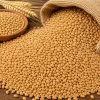
Source Feed Wheat for wholesale and international distribution through TG-Trading B.V. We supply feed mills, grain importers, wholesalers, livestock and poultry-feed manufacturers, processors and distributors worldwide. Origin, crop, wheat class, moisture, test weight, protein, GMO status, loading format, MOQ and availability may vary according to current sourcing. Send your required quantity, destination, intended use and technical specification to receive current product information and a commercial quotation. International B2B buyers can request current origin, specification, packing, documentation and logistics information without relying on unverified assumptions. Suitable for importers, distributors and commercial buyers evaluating wheat supply, subject to current availability and buyer requirements.
Feed Wheat
Product Details
Feed Wheat for Wholesale Supply
The exact commercial specification can vary by origin, crop, wheat class, grade, moisture, test weight, protein, damaged kernels, foreign material, mycotoxin requirements, GMO status where applicable, loading method and destination-market rules. Buyers should provide their required feed specification before quotation rather than assume that every shipment has identical characteristics.
Buyers can review the broader TG-Trading B.V. product range and contact the company with their required quantity, destination and technical specification.
Product Overview
Commercial feed buyers commonly evaluate parameters such as moisture, test weight, protein, damaged kernels, foreign material and other grain-quality factors. USDA Agricultural Marketing Service maintains official wheat standards and grading resources covering wheat classes, grades and quality factors used in commercial grain inspection. Buyers can consult the USDA AMS Wheat Standards as an independent technical reference.
The offered product should still be assessed against the buyer’s feed formulation, animal species, destination regulations and contractual quality limits.
5 Proven Commercial Uses
1. Compound Feed Manufacturing
Feed Wheat can be purchased by compound-feed manufacturers for use in formulated animal feeds where wheat is suitable for the specific ration.
Feed mills should provide their target specification, including requirements for moisture, protein, test weight, foreign material, damaged kernels and contaminants. Nutritional formulation remains the responsibility of the feed manufacturer or qualified nutrition team.
2. Poultry Feed Programs
Poultry-feed manufacturers may purchase wheat as one of the cereal ingredients used in commercial feed production.
The buyer should specify applicable nutritional and quality requirements, processing needs and destination-market feed rules. TG-Trading B.V. should not assume that one standard specification is suitable for every poultry program.
3. Livestock Feed Manufacturing
Feed Wheat may also be sourced for feed programs serving cattle, pigs and other livestock where wheat is appropriate to the formulation.
Professional buyers should define required grain quality and analytical parameters before contracting. Suitability depends on the complete feed formulation, processing method and animal requirements.
4. Feed Milling and Grain Processing
Feed mills and processors may clean, grind, roll or otherwise process wheat before incorporating it into finished feed products.
Processing requirements can influence preferred grain condition, moisture, kernel quality and impurity limits. Buyers should communicate important mill-intake requirements with the RFQ.
5. Wholesale Grain Distribution
Importers, grain traders and distributors can source Feed Wheat in commercial quantities for onward supply to feed mills, livestock producers, poultry-feed manufacturers and regional grain buyers.
Commercial terms should be based on confirmed quantity, destination, origin, specification, loading method, inspection requirements and documentation.
Specifications Buyers Should Confirm
Commercial specifications may vary according to crop, wheat class, origin, supplier and intended feed application. Important procurement factors may include:
- Wheat class or type
- Crop year where required
- Moisture content
- Test weight
- Protein content
- Broken or shrunken kernels
- Damaged kernels
- Foreign material
- Other grains
- Insect damage
- Ergot limits
- Mycotoxin requirements
- Pesticide-residue requirements
- GMO status where applicable
- Country of origin
- Bulk or packaged loading
- Inspection requirements
- Documentation requirements
USDA wheat standards recognize multiple wheat classes and use quality factors such as test weight, damaged kernels, foreign material and shrunken or broken kernels in grading. These standards can provide a useful reference, but they do not replace the buyer’s contractual feed specification.
TG-Trading B.V. does not assume one moisture level, test weight, protein percentage or grade applies to every available lot. Exact values should be confirmed through the current supplier specification, certificate of analysis or inspection documents where applicable.
Product vs Milling Wheat
Feed and milling wheat should not automatically be treated as interchangeable.
Milling wheat is purchased primarily for flour production and is often selected according to characteristics that affect milling and baking performance. Feed Wheat is purchased for animal-feed applications and may be evaluated against a different set of commercial, nutritional and regulatory requirements.
A lot acceptable for feed should not be represented as milling wheat unless it meets the required food-processing specification. Buyers seeking feed material should provide their feed-mill intake standard rather than rely on a milling-grade description.
Quality and Safety Requirements
Feed manufacturers may impose limits for moisture, foreign matter, damaged kernels, mycotoxins, pesticide residues and other contaminants. Requirements can vary by destination country and animal-feed regulation.
Buyers should state maximum contaminant levels, testing methods, independent inspection requirements and certificate requirements in advance. Critical parameters should be included in the purchase contract and confirmed against the actual available lot.
Bulk Loading and Packaging
Feed Wheat may be supplied through bulk grain logistics or packaged formats depending on order quantity, origin, supplier, destination and current availability.
Possible logistics can include bulk vessel, containerized grain or bagged supply, but no particular loading format, bag weight or container quantity should be assumed until confirmed.
Buyers should provide required tonnage, destination port, preferred loading method, packaging needs and inspection requirements.
International B2B Supply
TG-Trading B.V. supports professional buyers sourcing wheat for feed manufacturing and wholesale distribution.
International procurement can involve origin selection, crop availability, freight, loading method, inspection, phytosanitary requirements and destination-specific feed documentation. Buyers should communicate these requirements early in the quotation process.
For an accurate sourcing review, include the required quantity, destination port, intended animal-feed application, target quality parameters and mandatory certification or inspection requirements.
Documentation for Commercial Buyers
Depending on origin, destination and contract, buyers may request:
- Product specification
- Certificate of analysis where applicable
- Moisture, protein and test-weight results
- Country-of-origin documentation
- Inspection certificate
- Phytosanitary or fumigation documentation where applicable
- Mycotoxin test results where required
- GMO declaration where required
- Weight certificate
- Packing list
- Shipping documents
Availability of specific documents should be confirmed before contracting.
Why Source Through TG-Trading B.V.?
TG-Trading B.V. supports feed mills, grain importers, wholesalers and distributors looking for international wheat supply based on defined commercial requirements.
Rather than assuming one universal feed specification, TG-Trading B.V. can review sourcing against the buyer’s requested origin, quantity, moisture, test weight, protein, quality limits, loading method and destination.
Commercial acceptance should remain tied to the agreed specification, current supplier documentation, packing requirements and destination-market rules. Importers and distributors should also align order timing, logistics coordination and receiving controls with their own procurement programme before shipment confirmation.
Commercial acceptance should remain tied to the agreed specification, current supplier documentation, packing requirements and destination-market rules. Importers and distributors should also align order timing, logistics coordination and receiving controls with their own procurement programme before shipment confirmation.
Commercial acceptance should remain tied to the agreed specification, current supplier documentation, packing requirements and destination-market rules. Importers and distributors should also align order timing, logistics coordination and receiving controls with their own procurement programme before shipment confirmation.
Commercial acceptance should remain tied to the agreed specification, current supplier documentation, packing requirements and destination-market rules. Importers and distributors should also align order timing, logistics coordination and receiving controls with their own procurement programme before shipment confirmation.
Request a Feed Wheat Wholesale Quote
Looking for a Feed Wheat supplier for compound feed, poultry feed, livestock feed, grain processing or wholesale distribution?
Send TG-Trading B.V. your required quantity, destination port, intended use, preferred origin, moisture limit, test-weight requirement, protein target, contaminant limits, loading preference and required documentation.
Contact TG-Trading B.V. for a wholesale quotation to request current specifications, origin options, MOQ, loading formats, availability and commercial pricing.
Feed Wheat
Feed Wheat Supplier
Wholesale Feed Wheat
Bulk Feed Wheat
Animal Feed Wheat Supplier
Be the first to review “Feed Wheat”
Related products

Maize & Corn

Wheat

Rice
Rice

Rice
Wholesale Sourcing Specifications: Feed Wheat
| Order Volume (MOQ) | Europe: Pallets / LCL accepted. International: 1x 20ft or 40ft FCL (Dry or Reefer) |
|---|---|
| Packaging | Varies by product (bulk, retail, private label). Request specific product specifications. |
| Incoterms | FOB Rotterdam / CIF Destination Port / DAP (Door-to-Door available) |
| Lead Time | Varies by product and origin; typically 14 to 21 working days |
| Quote Response | Proforma Invoice and spec sheet within 24 hours of RFQ |
| Quality Governance | BRCGS, IFS Food, ISO 22000, HACCP |
Reviews
There are no reviews yet.