
Tamarind Powder


TG-Trading B.V. supplies Tamarind Powder to international B2B buyers including seasoning manufacturers, food processors, beverage producers, ingredient blenders, importers, wholesalers and distributors. Common commercial applications include spice blends, sauces, chutneys, snacks, beverage mixes and further food manufacturing. Exact composition, tamarind source, carrier ingredients, particle characteristics, origin, packaging, MOQ, price and availability may vary according to current sourcing and buyer requirements. Send your required quantity, destination country or port, intended application, technical specification, packaging preference and documentation requirements to request a current wholesale quotation.
Tamarind Powder
Product Details
Tamarind Powder for Wholesale Supply
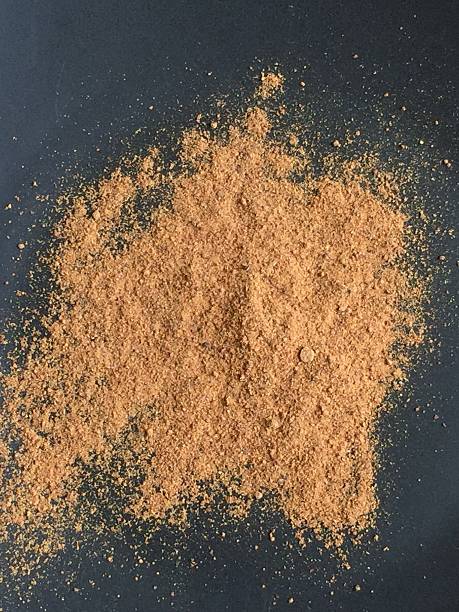
Tamarind Powder is a dry food ingredient used by seasoning manufacturers, sauce and chutney producers, snack companies, beverage formulators, food processors, wholesalers, and ingredient distributors. Commercial buyers use it in dry blends, seasonings, savory formulations, and further processing. Because the term can cover different formulations, buyers should confirm the exact composition, carrier ingredients, particle size, flavor profile, packaging, and technical specification before purchase.
TG-Trading B.V. sources and distributes Tamarind Powder for international B2B buyers. Supply is evaluated according to current sourcing, supplier specification, destination requirements, and intended application. Buyers can also explore our Plant Powders category for related powdered plant ingredients.
What Is Tamarind Powder?
Tamarind Powder is a powdered ingredient associated with tamarind, the fruit of Tamarindus indica. In commercial food processing, the exact manufacturing method can vary. Some products are based on dried tamarind pulp, while other formulations may use tamarind paste or extract with a carrier to improve drying and powder handling. Tamarind seed or kernel powders are different materials and should not be treated as equivalent to fruit-based powder unless the specification clearly states the source.
The Codex Alimentarius GSFA lists tamarind powder among traditional processed fruit products and gives an example based on tamarind paste combined with tapioca starch. That reference is useful for understanding how one commercial form may be produced, but it does not establish the formulation of any TG-Trading B.V. offer. Buyers should request the current ingredient declaration and technical specification for the actual lot.
5 Key Commercial Uses
1. Seasoning and Spice Blends
Tamarind Powder can be used in seasoning systems, spice mixes, snack coatings, dry marinades, and savory blends where a tangy fruit note is required. Manufacturers should define the desired sourness, color, particle characteristics, and ingredient restrictions so the offered product can be evaluated against the finished formulation.
2. Sauces, Chutneys and Condiments
Food processors may use the powder in sauces, chutneys, dipping products, marinades, and condiment mixes. A dry form can be convenient for industrial blending and controlled dosing, but functional behavior depends on the actual composition. Buyers should confirm whether the ingredient contains a carrier, sweetener, anti-caking material, or other component before use.
3. Snacks and Ready-to-Eat Foods
Snack manufacturers can evaluate Tamarind Powder for chips, extruded snacks, savory coatings, instant noodle seasonings, and other ready-to-eat products. The correct dosage and sensory result depend on the recipe, so processors should test the offered material in their own formulation where flavor consistency is important.
4. Beverage and Drink Mixes
The ingredient may be considered for powdered beverages, fruit-flavored drink mixes, concentrates, and other formulations where tamarind character is desired. Beverage manufacturers should communicate solubility, dispersibility, color, acidity, and flavor requirements because different production methods can produce different functional properties.
5. Ingredient Distribution and Food Manufacturing
Importers and ingredient wholesalers may purchase the offered product for onward sale to food manufacturers, seasoning companies, beverage producers, caterers, and regional distributors. Downstream customers can have different formulation and labeling requirements, so buyers should communicate the intended market and required specification before contracting supply.
Commercial Specifications Buyers Should Confirm
A product name is not a complete purchasing specification. Depending on the destination and intended application, buyers may need to confirm:
- Tamarind source and ingredient basis
- Fruit-pulp, paste-derived, extract-based, or other formulation
- Carrier or processing-aid declaration where applicable
- Particle size or powder characteristics
- Color and sensory profile
- Moisture requirement
- Acidity or other compositional parameters where relevant
- Microbiological limits
- Ingredient and allergen information
- Additive or anti-caking declarations where applicable
- Packaging format
- Origin preference, if any
- Inspection or laboratory testing requirements
- Required food-safety, quality, and commercial documentation
Exact values may vary according to current sourcing, supplier specification, destination, and buyer requirements. TG-Trading B.V. should confirm composition, origin, moisture, carrier system, microbiological parameters, packaging, shelf life, storage conditions, and other technical details for the actual Tamarind Powder lot before contract.
Tamarind Fruit Powder vs Tamarind Seed Powder
Tamarind fruit-based powders and tamarind seed or kernel powders are different commercial materials. Fruit-based ingredients are generally selected for flavoring and food formulation, while seed-derived materials can have different functional and industrial applications. Procurement teams should therefore request a clear raw-material description and ingredient declaration.
Buyers comparing other plant-derived powders can also review Organic Beetroot Juice Powder.
This distinction is especially important when the product will be used in branded foods, beverages, seasonings, or export formulations. Buyers should not assume that any product described simply as tamarind powder has the same source or composition. The current supplier specification should identify what material is being offered.
Wholesale Supply and Bulk Orders
TG-Trading B.V. handles Tamarind Powder enquiries from seasoning manufacturers, food processors, beverage producers, ingredient blenders, importers, wholesalers, distributors, and procurement companies. Commercial requirements are reviewed against current sourcing possibilities rather than a fixed universal specification.
MOQ, available quantity, origin, price, composition, packaging size, pallet configuration, lead time, and shipment terms may vary. Buyers should provide the required quantity, destination country or port, intended application, technical specification, preferred packaging, and documentation requirements so the quotation can be matched to the procurement need.
Packaging and International Distribution
The ingredient is traded in dry form, but the exact packaging format and unit size must be confirmed for each sourcing program. Packaging can vary according to supplier capability, quantity, destination, logistics requirements, and buyer needs.
TG-Trading B.V. supports international sourcing and distribution of this aromatic material, with origin, loading point, Incoterm, shipment schedule, packaging, and documentation confirmed for each transaction. Destination-specific import, ingredient-labeling, food-safety, or documentation requirements should be communicated before contract finalization.
Storage and Handling
Dry powdered ingredients should be handled in a way that protects package integrity and minimizes exposure to moisture, contamination, pests, and other conditions that could affect product quality. Buyers should follow the verified supplier instructions and their own food-safety procedures.
Exact storage temperature and shelf life should not be assumed. These details should be taken from the current product specification, label, or other supplier documentation.
Quality and Documentation
Commercial documentation may include a product specification, certificate of analysis, ingredient declaration, microbiological data, allergen information, food-safety documents, or other buyer- and destination-specific records. Availability of any particular certificate or test should be confirmed before order finalization.
TG-Trading B.V. can review these requirements against current supply. No certification, organic status, origin, exact formulation, shelf life, or analytical value should be treated as confirmed unless supported by documentation for the offered Tamarind Powder.
Why Source Tamarind Powder Through TG-Trading B.V.?
International ingredient procurement requires accurate matching between formulation requirements and supplier specifications. TG-Trading B.V. supports manufacturers, importers, wholesalers, distributors, and procurement companies by reviewing quantity, destination, intended use, composition requirements, packaging, and documentation before quotation.
This approach helps buyers evaluate the powdered seasoning for seasonings, sauces, snacks, beverages, food manufacturing, and distribution without relying on unsupported assumptions about formulation, carrier ingredients, origin, or availability.
Request a Wholesale Quote
For a current Tamarind Powder quotation, send TG-Trading B.V. your required quantity, destination country or port, intended application, required ingredient or technical specification, packaging preference, and documentation or testing requirements.
Submit your RFQ through the TG-Trading B.V. contact page. Complete procurement details help the sales team evaluate suitable sourcing options and prepare current commercial terms for your transaction.
Be the first to review “Tamarind Powder”
Related products

Spices, Herbs & Seasonings
Flours
Spices, Herbs & Seasonings
Spices, Herbs & Seasonings

Spices, Herbs & Seasonings
Spices, Herbs & Seasonings

Spices, Herbs & Seasonings
Spices, Herbs & Seasonings
Wholesale Sourcing Specifications: Tamarind Powder
| Order Volume (MOQ) | Europe: Pallets / LCL accepted. International: 1x 20ft or 40ft FCL (Dry or Reefer) |
|---|---|
| Packaging | Varies by product (bulk, retail, private label). Request specific product specifications. |
| Incoterms | FOB Rotterdam / CIF Destination Port / DAP (Door-to-Door available) |
| Lead Time | Varies by product and origin; typically 14 to 21 working days |
| Quote Response | Proforma Invoice and spec sheet within 24 hours of RFQ |
| Quality Governance | BRCGS, IFS Food, ISO 22000, HACCP |
Reviews
There are no reviews yet.