
Organic Corn Flour Germ Free
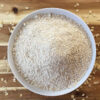
Organic Corn Flour Germ Free is supplied by TG-Trading B.V. to international B2B buyers including bakeries, food manufacturers, snack producers, cereal companies, ingredient businesses, importers, wholesalers and distributors. It can be evaluated for bakery products, snacks, coatings, dry mixes and cereal formulations. Maize type, degermination method, particle size, moisture, origin, organic documentation, packaging, MOQ and availability may vary according to current sourcing and buyer requirements. Send your required quantity, destination country or port, intended use, specification, preferred packaging and documentation requirements to TG-Trading B.V. for a current wholesale quotation.
Organic Corn Flour Germ Free
Product Details
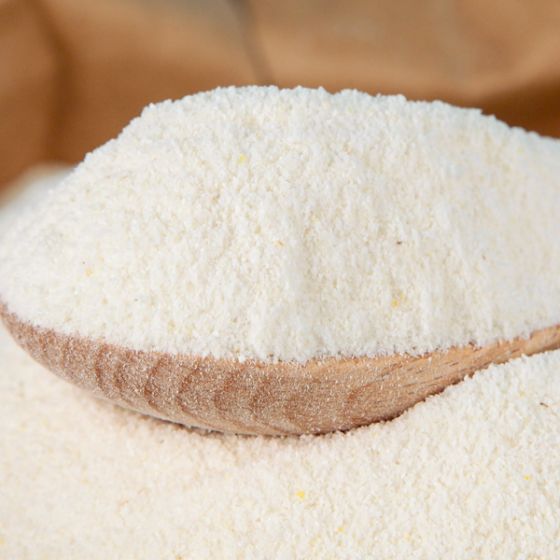
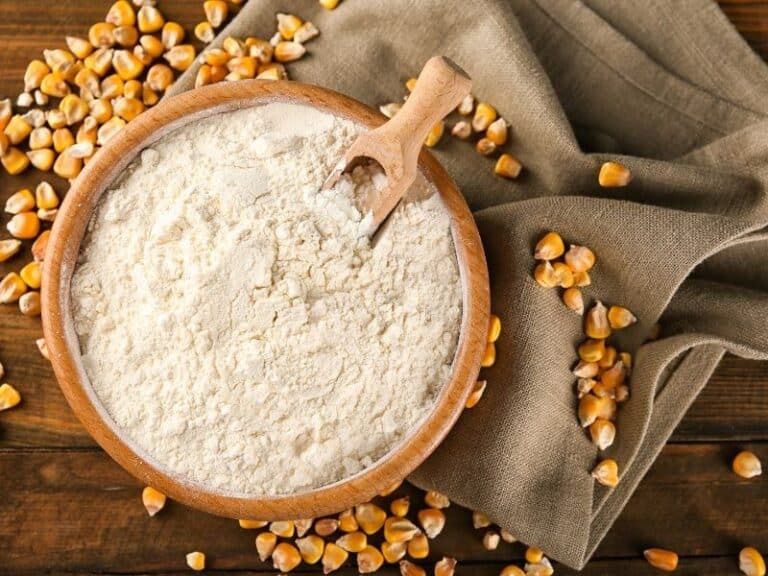
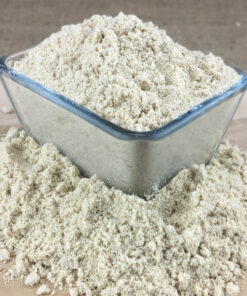
Organic Corn Flour Germ Free is a milled maize ingredient produced from corn in which the germ is substantially removed during processing. It is used by bakeries, food manufacturers, snack producers, cereal companies, ingredient blenders, wholesalers and distributors. TG-Trading B.V. sources and distributes Organic Corn Flour Germ Free to international B2B buyers, with each inquiry assessed according to intended use, required specification, quantity, destination, packaging and documentation requirements.
Maize variety, color, degermination method, particle size, moisture, fat, ash, microbiological limits, organic documentation, origin, packaging and other characteristics may vary according to current sourcing, supplier specification, destination and buyer requirements.
Organic Corn Flour Germ Free for Wholesale Supply
Organic Corn Flour Germ Free is suitable for businesses that require a refined maize flour for bakery products, snacks, cereal formulations, coatings, dry mixes and selected thickening applications. Removing the germ changes the composition of the milled grain compared with whole-maize flour because the germ contains a significant share of the kernel’s oil and other components.
TG-Trading B.V. supplies commercial quantities for international procurement. Buyers sourcing additional flour ingredients can review the Flours category for other currently listed products.
What Is Organic Corn Flour Germ Free?
Organic Corn Flour Germ Free is flour made from maize that has undergone degermination before or during milling. In commercial cereal processing, degermination separates most of the germ from the endosperm before the remaining maize fraction is reduced to the required flour size.
The Food and Agriculture Organization of the United Nations explains that, for whiter cereal flours such as maize flour, much of the bran and germ can be removed so that the resulting material is predominantly starchy endosperm. This distinguishes degerminated flour from whole-maize flour that retains more of the original kernel components.
The phrase “germ free” in this product name refers to removal of the maize germ. It should not be interpreted as meaning sterile, pathogen-free or guaranteed free of microorganisms. Any microbiological requirement must be defined separately and confirmed against current analytical documentation.
5 Key Commercial Uses
1. Bakery and Baked Food Production
Organic Corn Flour Germ Free may be used in breads, muffins, biscuits, cookies, cakes, pancakes and other bakery formulations. Manufacturers should establish suitable inclusion levels through their own formulation and production trials.
2. Snack and Extruded Food Applications
Snack manufacturers may evaluate Organic Corn Flour Germ Free for crackers, baked snacks, extruded products and other corn-based formulations. Particle size, moisture and starch behavior can influence processing performance, expansion and texture.
3. Coatings, Batters and Dry Mixes
Food processors may incorporate the flour into coatings, batters, breading systems and dry ingredient mixes. Buyers should specify the particle size and functional characteristics required.
4. Cereal and Prepared Food Formulations
The flour can be evaluated for cereal-based foods, composite flour blends and selected prepared-food applications. Suitability depends on the buyer’s manufacturing process, desired texture and the composition of the complete formulation.
5. Ingredient Blending and Repacking
Ingredient companies, importers, wholesalers and commercial packers may purchase Organic Corn Flour Germ Free for blending, repacking or onward distribution. Packaging, labeling, organic documentation and destination-market requirements should be agreed before commercial supply.
Specifications Buyers Should Confirm
A commercial specification for Organic Corn Flour Germ Free may address maize color or variety, degree of degermination, milling profile, particle size, moisture, fat, protein, ash, color, foreign material and microbiological criteria.
TG-Trading B.V. does not assign fixed values to these characteristics unless they are verified for the current offer. Exact moisture percentage, fat percentage, protein percentage, origin, crop year, grade, GMO status, organic certification, packaging size, MOQ, shelf life, storage temperature, stock position and delivery time should not be assumed.
These details may vary according to current sourcing, supplier specification, destination and buyer requirements. Procurement teams should provide mandatory analytical limits, test methods and documentation requirements with the RFQ. If a certificate of analysis, organic certificate, certificate of origin, microbiological report or other compliance record is required, it should be identified before commercial terms are finalized.
Degerminated Corn Flour Versus Whole Maize Flour
Organic Corn Flour Germ Free differs from whole-maize flour because the germ has been substantially removed. Whole-maize flour retains more of the kernel, including germ and other fractions, while degerminated flour contains a larger proportion of endosperm-derived material.
Removing the germ also reduces the contribution of the oil-rich germ fraction. This can influence fat content and storage behavior, but no specific shelf-life advantage should be assumed without reviewing the current supplier specification and storage guidance.
Buyers requiring a less-refined maize flour can also review Organic Maize Flour on the TG-Trading B.V. website. The two products should be purchased according to their own processing and analytical specifications rather than treated as interchangeable.
Corn Flour Versus Corn Starch
Organic Corn Flour Germ Free should also not automatically be treated as corn starch. Degerminated corn flour is a milled maize product, while corn starch is a more highly separated starch fraction produced through a different processing route.
This distinction matters in bakery, coating, thickening and industrial food applications because the two ingredients can perform differently. Buyers should state clearly whether their formulation requires flour, starch or another maize fraction.
Packaging and Bulk Orders
Packaging can vary according to supplier, order volume, product specification and destination. Bag material, inner liner, unit weight, pallet configuration and labeling should therefore be confirmed during quotation.
Buyers should state the total quantity required, preferred packaging and any warehouse, production-line or labeling requirements. MOQ is not assumed because minimum commercial quantities can vary according to current sourcing and logistics arrangements.
International Sourcing and Distribution
TG-Trading B.V. sources Organic Corn Flour Germ Free for international bakeries, food manufacturers, snack producers, cereal companies, ingredient businesses, importers, wholesalers and distributors. Each inquiry can be assessed according to destination country or port, intended use, required specification, quantity, packaging and documentation.
Origin, crop availability, production schedule, stock position, shipment timing and delivery terms can change between sourcing programs and should be confirmed for each transaction.
Storage, Handling and Quality Review
The offered ingredient should be stored and handled according to current supplier instructions, applicable food-safety requirements and the buyer’s warehouse procedures. Exact shelf life, storage temperature and humidity limits should be taken from current product documentation rather than assumed.
Why Source Through TG-Trading B.V.?
TG-Trading B.V. provides a B2B sourcing and distribution route for companies requiring degerminated corn flour for bakery, snack production, cereal manufacturing, ingredient processing, repacking or wholesale supply. The sourcing process can consider maize type, degermination requirements, particle size, intended use, technical specification, quantity, destination, packaging and documentation before a commercial offer is prepared.
Request a Wholesale Quote
To request a current quotation for Organic Corn Flour Germ Free, send TG-Trading B.V. your required quantity, destination country or port, intended use, required specification, preferred packaging and documentation requirements.
If a particular maize color, degree of degermination, particle size, organic certification scheme, analytical parameter, microbiological limit or import document is mandatory, include it clearly in the RFQ. Submit your inquiry through the TG-Trading B.V. contact page so the sales team can assess suitable sourcing options and provide current specifications and commercial terms.
Be the first to review “Organic Corn Flour Germ Free”
Related products
Flours

Maize & Corn
Flours
Flours
Flours
Flours
Wholesale Sourcing Specifications: Organic Corn Flour Germ Free
| Order Volume (MOQ) | Europe: Pallets / LCL accepted. International: 1x 20ft or 40ft FCL (Dry or Reefer) |
|---|---|
| Packaging | Varies by product (bulk, retail, private label). Request specific product specifications. |
| Incoterms | FOB Rotterdam / CIF Destination Port / DAP (Door-to-Door available) |
| Lead Time | Varies by product and origin; typically 14 to 21 working days |
| Quote Response | Proforma Invoice and spec sheet within 24 hours of RFQ |
| Quality Governance | BRCGS, IFS Food, ISO 22000, HACCP |
Reviews
There are no reviews yet.