
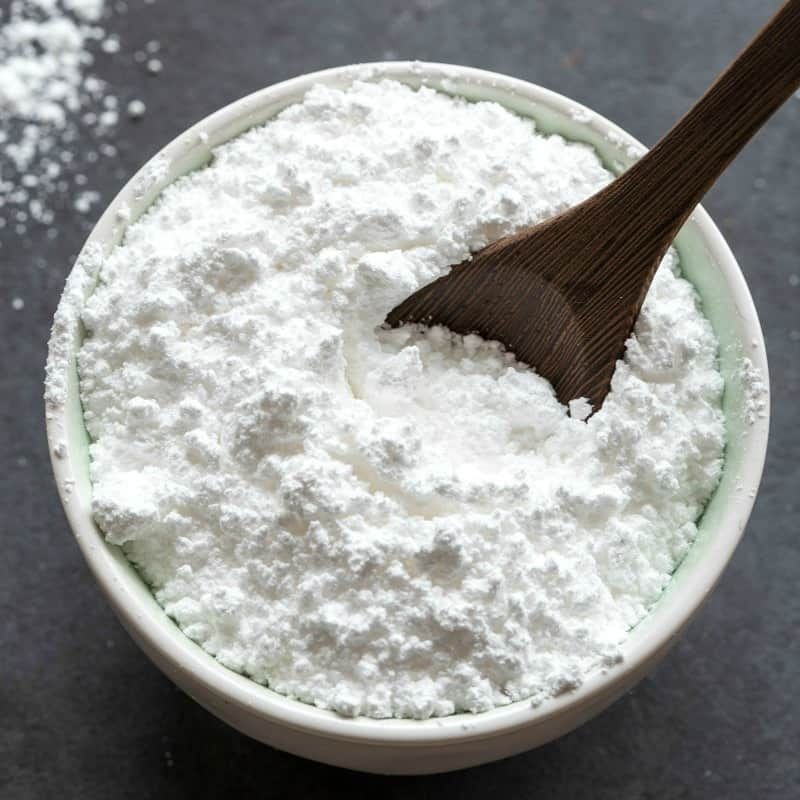
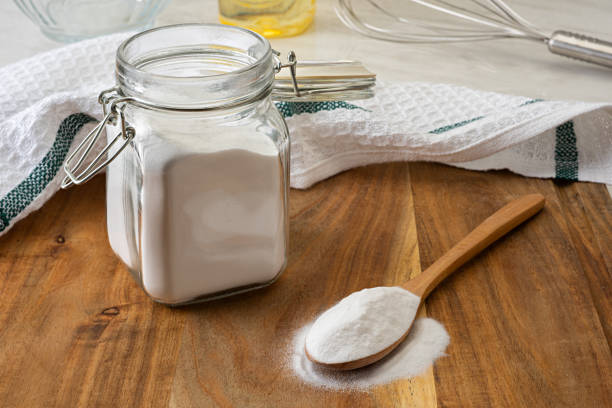

Organic Baking Powder
Organic Baking Powder is supplied by TG-Trading B.V. to international B2B buyers including bakeries, food manufacturers, premix producers, ingredient businesses, importers and wholesalers. It can be used in cakes, muffins, biscuits, cookies, pancakes, quick breads and commercial baking mixes. Acid system, carrier type, reaction profile, ingredient composition, organic documentation, packaging, MOQ and availability may vary according to current sourcing and buyer requirements. Send your required quantity, destination country or port, intended use, formulation requirements, preferred packaging and documentation needs to TG-Trading B.V. for a current wholesale quotation.
Organic Baking Powder
Product Details
Organic Baking Powder is a dry chemical leavening ingredient used by bakeries, food manufacturers, premix producers, caterers, ingredient blenders, wholesalers and distributors. TG-Trading B.V. sources and distributes Organic Baking Powder to international B2B buyers, with each inquiry assessed according to intended use, required formulation, quantity, destination, packaging and documentation requirements.
For professional procurement, the product name alone is not a complete technical specification. Baking powder can contain an alkaline component, one or more acid components and a starch or other carrier. Acid system, neutralizing value, reaction profile, carrier type, moisture, particle size, ingredient declaration, organic documentation, packaging and other characteristics may vary according to current sourcing, supplier specification, destination and buyer requirements.
Organic Baking Powder for Wholesale Supply
This product is suitable for businesses that need a dry leavening system for cakes, muffins, biscuits, cookies, pancakes, quick breads, bakery premixes and other formulated foods. Chemical leavening can provide gas generation without relying on yeast fermentation, but performance depends on the specific acid-base system, dosage, mixing conditions, moisture and baking process.
Buyers sourcing related products can review the Baking Ingredients category and Organic Dried Yeast as a separate fermentation-based leavening ingredient.
What Is Organic Baking Powder?
Organic Baking Powder is a formulated dry leavening ingredient designed to release carbon dioxide when its alkaline and acidic components react in the presence of moisture and, depending on the formulation, heat. Commercial products often contain sodium bicarbonate together with one or more food acids and a carrier that helps maintain flow and separation before use.
The U.S. Food and Drug Administration identifies leavening agents as ingredients that promote the rising of baked goods and lists baking soda and monocalcium phosphate among examples. The exact composition of a particular baking powder should still be confirmed from its ingredient declaration and technical specification.
The organic designation should be supported by documentation applicable to the finished product and destination market. Buyers should not assume phosphate-free, aluminum-free, gluten-free or other formulation claims unless verified.
5 Key Commercial Uses
1. Cakes, Muffins and Cupcakes
Organic Baking Powder may be used in commercial cake, muffin and cupcake formulations where controlled chemical leavening is required. Manufacturers should match dosage and reaction profile to flour type, batter acidity, mixing method and baking conditions rather than apply one universal addition rate.
2. Biscuits, Cookies and Scones
Bakeries may use Organic Baking Powder in biscuits, cookies, scones and related products where lift, spread and finished texture are influenced by the leavening system. The acid blend and neutralizing characteristics can affect production results, so the offered formulation should be tested in the buyer’s recipe.
3. Pancakes, Waffles and Dry Premixes
Premix manufacturers may incorporate Organic Baking Powder into pancake, waffle, cake and other dry mixes. Uniform particle distribution and stability during storage can be important for consistent performance, particularly in high-volume blended products.
4. Quick Breads and Savory Bakery Products
The product may be evaluated for quick breads, savory muffins, crackers and other products that use chemical rather than yeast-based leavening. Manufacturers should confirm compatibility with salt, acids, dairy ingredients and other components in the formulation.
5. Ingredient Blending and Repacking
Ingredient companies, wholesalers and commercial packers may purchase Organic Baking Powder for blending, repacking or onward distribution. Packaging, ingredient labeling, organic documentation and destination-market requirements should be agreed before commercial supply.
Specifications Buyers Should Confirm
A commercial specification for Organic Baking Powder may address alkaline component, acidulant system, carrier or starch source, single-acting or double-acting behavior where applicable, neutralizing value, carbon-dioxide release profile, moisture, particle size, bulk density and microbiological criteria.
TG-Trading B.V. does not assign fixed values or ingredient compositions unless they are verified for the current offer. Exact sodium content, acid system, starch source, phosphate status, aluminum status, gluten status, organic certification, packaging size, MOQ, shelf life, storage temperature, stock position and delivery time should not be assumed.
These characteristics may vary according to current sourcing, supplier specification, destination and buyer requirements. Procurement teams should provide mandatory ingredient restrictions, analytical limits, performance criteria and required certificates with the RFQ.
Baking Powder Versus Baking Soda
Organic Baking Powder and baking soda are not automatically interchangeable. Baking soda is sodium bicarbonate and requires an appropriate acid source in the formulation to generate carbon dioxide. Baking powder normally contains both an alkaline component and acidic components within the same dry blend.
This distinction matters in industrial formulation because replacing one with the other can alter pH, flavor, browning, spread and gas release. Buyers should use the leavening system specified by their formulation or product-development team.
Baking Powder Versus Dried Yeast
Chemical leavening and yeast fermentation work differently. Baking powder generates gas through acid-base reactions, while yeast produces gas through biological fermentation. The choice affects processing time, flavor development, dough or batter behavior and finished texture.
Companies requiring yeast fermentation can review Organic Dried Yeast. Buyers sourcing flour ingredients can also review Organic Coconut Flour.
Packaging and Bulk Orders
Packaging for Organic Baking Powder can vary according to supplier, formulation, order volume and destination. Bags, lined sacks, cartons, tubs or other commercial formats may be available, but no pack size should be assumed without confirmation.
Buyers should state the total quantity required, preferred packaging and any production-line, repacking or labeling requirements. MOQ can vary according to current sourcing and logistics arrangements.
Storage, Handling and Quality Review
Organic Baking Powder should be stored and handled according to current supplier instructions. Because chemical leavening systems can react when exposed to moisture, packaging integrity and dry storage are important. Exact shelf life, storage temperature and humidity limits should be taken from current product documentation rather than assumed.
Procurement teams should review the formulation, ingredient declaration, packaging and supporting documents before manufacturing or repacking.
International Sourcing and Distribution
TG-Trading B.V. sources the offered sweetener for international bakeries, food manufacturers, premix companies, ingredient businesses, importers, wholesalers and distributors. Each inquiry can be assessed according to destination country or port, intended use, required formulation, quantity, packaging and documentation.
Availability, stock position, shipment timing and delivery terms should be confirmed for each transaction.
Why Source Through TG-Trading B.V.?
TG-Trading B.V. provides a B2B sourcing and distribution route for companies requiring baking powder for industrial baking, premixes, ingredient blending, repacking or wholesale supply. The sourcing process can consider acid-base system, carrier requirements, intended application, technical specification, quantity, destination, packaging and documentation before a commercial offer is prepared.
Request a Wholesale Quote
To request a current quotation for Organic Baking Powder, send TG-Trading B.V. your required quantity, destination country or port, intended use, required formulation or performance specification, preferred packaging and documentation requirements.
If a particular acid system, carrier or starch source, phosphate-free or aluminum-free requirement, organic certification scheme, allergen requirement, analytical parameter or import document is mandatory, include it clearly in the RFQ. Submit your inquiry through the TG-Trading B.V. contact page so the sales team can assess suitable sourcing options and provide current specifications and commercial terms.

Be the first to review “Organic Baking Powder”
Related products
Baking Ingredients
Milk & Whey Powders
Chocolate, Cacao & Confectionery
Flours
Wholesale Sourcing Specifications: Organic Baking Powder
| Order Volume (MOQ) | Europe: Pallets / LCL accepted. International: 1x 20ft or 40ft FCL (Dry or Reefer) |
|---|---|
| Packaging | Varies by product (bulk, retail, private label). Request specific product specifications. |
| Incoterms | FOB Rotterdam / CIF Destination Port / DAP (Door-to-Door available) |
| Lead Time | Varies by product and origin; typically 14 to 21 working days |
| Quote Response | Proforma Invoice and spec sheet within 24 hours of RFQ |
| Quality Governance | BRCGS, IFS Food, ISO 22000, HACCP |
Reviews
There are no reviews yet.