
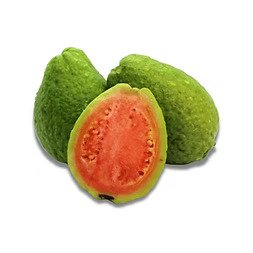
Fresh Guava
Fresh Guava is a tropical fruit sourced by TG-Trading B.V. for fruit importers, wholesalers, supermarkets, fresh-produce distributors, hotels, restaurants, beverage manufacturers and processors. Suitable for fresh retail, hospitality, juices, smoothies, purees, jams and food manufacturing, guava may vary by cultivar, flesh color, size, maturity and origin. Packaging and documentation also depend on current sourcing. Send TG-Trading B.V. your quantity, destination, preferred guava type and required specification to request a wholesale quotation.
Fresh Guava
Product Details
Fresh Guava for Wholesale Supply
Fresh Guava is a tropical fruit produced by Psidium guajava and supplied commercially for fresh retail, wholesale distribution, hospitality, food service, beverage production and food processing. TG-Trading B.V. sources and distributes Fresh Guava for international B2B buyers including fruit importers, wholesalers, supermarkets, fresh-produce distributors, hotels, restaurants, juice businesses and food manufacturers.
Commercial guava requirements vary according to cultivar, market and intended use. Buyers should therefore confirm fruit size, maturity stage, flesh color, firmness, external appearance, origin, packaging, post-harvest handling and destination-market documentation before ordering.
TG-Trading B.V. evaluates each enquiry according to required quantity, destination country or port, intended use and the buyer’s fresh-fruit specification.
Fresh Guava for Wholesale Buyers
Fresh Guava can serve specialist tropical-fruit retailers, supermarkets, hospitality businesses and processors requiring fruit for direct consumption or further manufacturing.
Retail buyers may prioritize attractive appearance, uniform sizing, firmness and suitable ripeness. Juice and puree manufacturers may focus more heavily on cultivar, flesh color, aroma, acidity, soluble solids, seed content and usable pulp yield.
The appropriate specification therefore depends on whether the fruit is intended for retail display, food service, beverage production or industrial processing.
Buyers can review related products through the TG-Trading B.V. Shop and compare fresh supply with products such as IQF Guava where frozen fruit is more appropriate for manufacturing.
What Is Fresh Guava?
Fresh Guava is the fresh fruit of Psidium guajava, a tropical and subtropical fruit tree cultivated in numerous producing regions.
Guava fruit can differ considerably by cultivar. Flesh may be white, yellow, pink or red, while fruit size, shape, seed content, aroma, sweetness and acidity can also vary.
The UC Davis Postharvest Research and Extension Center Guava Guide identifies color as an important indicator of maturity and notes that size, shape, firmness, flesh color, seed content, aroma, soluble solids and acidity are commercially relevant quality characteristics.
The product name alone does not establish exact cultivar, flesh color, fruit weight, Brix, origin, certification, residue level, shelf life or storage requirements. These should be confirmed from the current commercial specification.
5 Key Commercial Uses
1. Supermarket and Fresh Retail Programs
Fresh Guava can be supplied to supermarkets, specialty produce shops, greengrocers and tropical-fruit retailers.
Retail buyers may require consistent fruit size, attractive skin condition, suitable maturity, good firmness and freedom from significant bruising, insect damage or decay.
The required maturity stage should correspond with expected transit time and retail turnover.
2. Hotels, Restaurants and Catering
Hotels, restaurants and catering businesses may use guava in fruit platters, breakfast service, desserts, salads and other fresh-food applications.
Hospitality buyers should communicate preferred fruit size, flesh color and ripeness at delivery.
Different cultivars may provide different sensory characteristics, so buyers should avoid assuming all guava performs identically.
3. Juice and Beverage Production
Juice processors, smoothie businesses and beverage manufacturers may use Fresh Guava for juices, nectars, smoothies and blended fruit beverages.
Processing buyers may consider aroma, flesh color, acidity, seed content, maturity and soluble-solids characteristics.
Exact analytical requirements should be specified by the buyer rather than assumed from the commercial fruit name.
4. Puree, Jam and Dessert Manufacturing
Guava may be processed into puree, jams, fillings, sauces, desserts and fruit preparations.
Fruit intended for processing can have different cosmetic requirements from premium retail fruit, although sound internal quality remains important.
Processors should specify acceptable ripeness, defect tolerances, pulp characteristics and intended processing method.
5. Wholesale Tropical Fruit Distribution
Importers and distributors may source Fresh Guava for onward sale to supermarkets, fresh-produce wholesalers, restaurants and food processors.
Wholesale programs require coordination of maturity, cultivar or flesh type, carton configuration, transport conditions and phytosanitary requirements.
Specifications Buyers Should Confirm
Commercial guava procurement should be based on an agreed fresh-fruit specification.
Important parameters may include:
- Botanical identity
- Cultivar or commercial type
- Flesh color
- Country or region of origin
- Fruit size or count
- Individual weight range
- Harvest maturity
- Skin color
- Firmness
- Shape and uniformity
- External blemish tolerances
- Bruising tolerances
- Insect-damage tolerances
- Freedom from decay
- Seed characteristics where relevant
- Aroma requirements
- Soluble solids where specified
- Acidity where specified
- Post-harvest treatment
- Pesticide-residue requirements
- Packaging configuration
- Net carton weight
- Batch or lot traceability
- Phytosanitary documentation
- Destination-market labeling requirements
Exact cultivar, weight, Brix, acidity, origin, storage life, pesticide-residue values and certification should not be assumed.
These factors may vary according to season, producer, maturity stage, logistics and buyer requirements.
Pink Guava vs White Guava
Fresh Guava may be commercially differentiated by flesh color.
Pink- or red-fleshed guava can be preferred for particular retail, beverage and puree applications because flesh color influences finished-product appearance.
White- or pale-fleshed cultivars may be preferred in other markets or formulations.
UC Davis notes that guava flesh color depends on cultivar and may be white, yellow, pink or red.
Flesh color alone should not be treated as an indication of superior quality. Buyers should choose the type that matches their intended application.
Mature-Green Guava vs Ripe Guava
Guava can be traded at different maturity stages.
UC Davis reports that mature-green fruit may be harvested where markets consume guava at that stage. For longer-distance transport to markets preferring ripe fruit, firm-yellow to partially ripe fruit may be used, while fully ripe, yellow and softer fruit is more appropriate for local markets.
Fresh Guava is a climacteric fruit and can continue ripening after harvest when harvested at appropriate maturity.
However, immature fruit may not develop acceptable eating quality, making harvest maturity an important procurement criterion.
Quality and Post-Harvest Considerations
Commercial quality assessment can include color, size, shape, firmness, external condition, flesh characteristics, aroma and freedom from significant defects.
Guava is sensitive to physical damage during harvesting, packing and distribution. Bruising and abrasion can cause skin and flesh browning and may contribute to commercial losses.
UC Davis also notes that guava can be a host for fruit flies, which may lead to specific phytosanitary or disinfestation requirements for certain international markets.
Importers should therefore verify destination-country plant-health requirements before shipment.
Packaging and Bulk Orders
Fresh Guava may be packed in protective cartons, trays, crates or other fresh-produce formats depending on fruit size, maturity, origin and destination.
Packaging should reduce excessive fruit movement, compression, bruising and abrasion during handling and transport.
Exact fruit count per carton, net weight, protective packing, pallet configuration, labeling and MOQ should be confirmed in the current commercial offer.
Buyers should indicate whether the fruit is intended for retail, hospitality, wholesale redistribution or processing.
International Sourcing and Distribution
TG-Trading B.V. sources Fresh Guava for international fruit importers, wholesalers, supermarkets, distributors, hospitality buyers and processors.
The appropriate TG-Trading site placement is Fresh Fruits → Tropical Fruits, which is already part of the company’s live product taxonomy.
International availability may depend on cultivar, season, flesh color, maturity, size, required quantity, origin, packaging, phytosanitary eligibility and destination.
Buyers should provide destination information early because import and plant-health requirements can vary substantially between countries.
Storage, Handling and Cold Chain
Guava requires careful post-harvest management because storage requirements depend on maturity stage.
UC Davis indicates different temperature ranges for mature-green or partially ripe fruit and fully ripe fruit, demonstrating why a single universal storage temperature should not be assumed for every shipment.
Guava is also susceptible to chilling injury if handled under unsuitable conditions.
For commercial orders, exact storage temperature, relative humidity, transport conditions and expected shelf life should therefore be confirmed from the current supplier specification and logistics plan.
Quality and Documentation
Depending on origin and destination, buyers may request a current product specification, phytosanitary certificate, certificate of origin, pesticide-residue documentation, packing list and traceability records.
If organic certification, GlobalG.A.P., a particular cultivar, specific flesh color, required origin or another condition is mandatory, it should be stated in the RFQ.
These attributes should only be confirmed where suitable documentation applies to the actual supply.
Frequently Asked Questions
What is Fresh Guava?
It is the fresh fruit of Psidium guajava, supplied commercially for fresh retail, hospitality, beverages and food processing.
What flesh colors are available?
Depending on cultivar, guava flesh can be white, yellow, pink or red.
Does Fresh Guava ripen after harvest?
Yes. Guava is a climacteric fruit and can continue ripening after harvest when harvested at an appropriate maturity stage.
What sizes are available?
Fruit size and count vary according to cultivar, origin and season. Buyers should provide their preferred weight range or count specification.
Which guava type is suitable for juice production?
The appropriate cultivar depends on required flesh color, aroma, acidity, soluble solids, seed content and finished beverage characteristics.
How is Fresh Guava packaged for wholesale?
Packaging can include cartons, trays or crates designed to limit bruising and abrasion. Exact fruit count and carton weight should be confirmed with the current offer.
Is organic guava available?
Organic supply may be requested where available. Organic status should only be confirmed when valid certification applies to the specific product.
What is the minimum order quantity?
MOQ varies according to origin, season, packaging, logistics and destination. TG-Trading B.V. confirms the applicable MOQ with each quotation.
What documentation may importers require?
Requirements may include phytosanitary certification, certificate of origin, residue documentation, packing information and traceability records depending on the destination.
How can I request a wholesale quotation?
Provide TG-Trading B.V. with quantity, destination country or port, intended use, preferred flesh color or cultivar, fruit size, maturity stage, packaging and documentation requirements.
Why Source Through TG-Trading B.V.?
TG-Trading B.V. supports specification-led international fresh-produce procurement.
For Fresh Guava, this means reviewing cultivar, flesh color, fruit size, maturity, quantity, destination, packaging and documentation before evaluating sourcing options.
This helps importers, distributors, retailers and processors purchase guava according to their actual commercial requirements without relying on assumptions about variety, origin, ripeness or certification.
Request a Wholesale Quote
To request a wholesale quotation for Fresh Guava, provide TG-Trading B.V. with your required quantity, destination country or port, intended use, preferred cultivar or flesh color, fruit size or count, maturity stage, packaging and documentation requirements.
Also state any mandatory origin, phytosanitary, residue, GlobalG.A.P., organic or other certification requirements.
Contact TG-Trading B.V. for current seasonal availability, MOQ, specifications, packaging options, documentation and commercial pricing.
Be the first to review “Fresh Guava”
Related products
Tropical Fruits
Tropical Fruits
Tropical Fruits

Tropical Fruits

Fresh Fruits
Tropical Fruits

Tropical Fruits

Tropical Fruits
Wholesale Sourcing Specifications: Fresh Guava
| Order Volume (MOQ) | Europe: Pallets / LCL accepted. International: 1x 20ft or 40ft FCL (Dry or Reefer) |
|---|---|
| Packaging | Varies by product (bulk, retail, private label). Request specific product specifications. |
| Incoterms | FOB Rotterdam / CIF Destination Port / DAP (Door-to-Door available) |
| Lead Time | Varies by product and origin; typically 14 to 21 working days |
| Quote Response | Proforma Invoice and spec sheet within 24 hours of RFQ |
| Quality Governance | BRCGS, IFS Food, ISO 22000, HACCP |
Reviews
There are no reviews yet.