
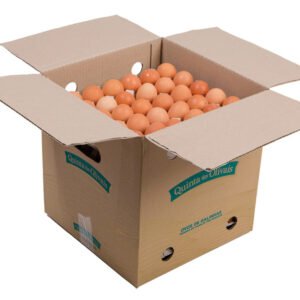
Fresh Eggs
Fresh Eggs are edible shell eggs sourced by TG-Trading B.V. for egg importers, wholesalers, supermarkets, bakeries, hotels, restaurants, caterers and food manufacturers. They are suitable for retail, food service, baking and commercial food preparation. Egg size or weight class, grade, shell color, production system, origin, packaging and documentation may vary according to current sourcing and buyer requirements. Send TG-Trading B.V. your quantity, destination, intended use and required egg specification to request a current wholesale quotation.
Fresh Eggs
Product Details
Fresh Eggs for Wholesale Supply
Fresh Eggs are edible shell eggs supplied for commercial retail, food service, catering, bakery operations, hospitality and food manufacturing. TG-Trading B.V. sources and distributes Fresh Eggs for international B2B buyers including egg importers, wholesalers, distributors, supermarkets, bakeries, hotels, restaurants, caterers and institutional food-service companies.
Commercial shell-egg specifications can vary significantly between suppliers and destination markets. Buyers should therefore confirm egg size or weight class, shell color, quality grade where applicable, production system, packing format, date coding, origin, refrigeration requirements and veterinary or health documentation.
TG-Trading B.V. evaluates each enquiry according to required quantity, destination country or port, intended use and the buyer’s commercial egg specification.
Fresh Eggs for Wholesale Buyers
Fresh Eggs are a high-volume food product used across retail, hospitality, bakery, catering and food manufacturing.
Wholesale requirements differ according to application. Supermarkets may prioritize consumer carton configuration, size consistency and labeling, while bakeries and professional kitchens may focus on case quantities and reliable grading. Importers must additionally consider destination-market animal-health, food-safety, traceability and labeling requirements.
TG-Trading B.V. maintains an Eggs & Egg Products category for commercial buyers seeking egg-related products.
What Are Fresh Eggs?
Fresh Eggs are intact edible eggs retained in their shells and marketed for human consumption rather than being processed into liquid, dried or frozen egg products.
Commercial shell eggs are commonly classified according to quality and weight or size. These are separate characteristics. Quality grading can consider shell condition and internal characteristics, while weight classes categorize eggs according to weight.
The USDA Agricultural Marketing Service maintains official Shell Egg Grades and Standards. USDA identifies U.S. consumer Grades AA, A and B and explains the quality tolerances associated with these grades.
These U.S. classifications should not automatically be applied to international supply. The grade, weight class and regulatory standard applicable to a particular shipment should be confirmed according to origin, destination and buyer requirements.
5 Key Commercial Uses
1. Supermarket and Retail Egg Programs
Fresh Eggs are supplied to supermarkets, grocery stores and other retailers for consumer sale.
Retail procurement can involve different egg counts, weight classes, shell colors and carton configurations. Labeling requirements may include production or packing information, lot identification, origin and other information required by the destination market.
Buyers should specify their preferred consumer and master-carton configuration when requesting a quotation.
2. Bakery and Pastry Production
Commercial bakeries, pastry manufacturers and dessert producers use shell eggs in cakes, breads, pastries, custards and other formulations.
Large-volume bakery buyers may prioritize consistent sizing, predictable supply and suitable case packaging.
Where production requires liquid or dried egg ingredients instead of shell eggs, those should be sourced as separate egg-product specifications.
3. Hotels, Restaurants and Catering
Hotels, restaurants, caterers and institutional kitchens use Fresh Eggs across breakfast service, baking and numerous cooked-food applications.
Food-service buyers may require particular weight classes and commercial packing formats to simplify inventory management and portioning.
Shell eggs intended for professional kitchens should be handled according to applicable food-safety requirements.
4. Food Manufacturing
Food manufacturers may use shell eggs as ingredients in prepared foods, bakery products and other industrial applications where shell eggs are appropriate to the production process.
Manufacturers should determine whether shell eggs or processed egg ingredients are most appropriate for their operation.
Requirements for microbiological control, traceability, handling and processing should be defined within the buyer’s specification.
5. Wholesale Egg Distribution
Importers and distributors may source Fresh Eggs for onward supply to supermarkets, bakeries, restaurants, hotels, caterers and regional wholesalers.
International egg distribution requires careful attention to origin, production establishment, packing dates, transport conditions, traceability, veterinary requirements and destination-market import rules.
Specifications Buyers Should Confirm
Commercial shell-egg purchasing should be based on an agreed specification rather than assumptions based on the product name.
Important requirements may include:
- Species, normally chicken where specified
- Shell egg presentation
- Quality grade or applicable standard
- Egg weight or size class
- Shell color
- Production system where required
- Cleanliness and shell condition
- Permitted defect tolerances
- Packing or grading date
- Consumer pack configuration
- Eggs per tray where applicable
- Trays or cartons per case
- Master-carton configuration
- Country of origin
- Production and packing establishment
- Batch or lot traceability
- Veterinary or health documentation
- Labeling requirements
- Destination-market import requirements
Exact egg size, weight, grade, shell color, breed, production method, origin, certification, packaging quantity, shelf life and storage temperature should not be assumed.
These characteristics may vary according to current sourcing, producer specification, destination and buyer requirements.
Egg Grade vs Egg Size
Quality grade and size are different commercial characteristics.
A quality grade evaluates characteristics associated with egg quality. Under the USDA system, for example, shell eggs can receive Grades AA, A or B based on defined quality standards.
Size or weight class relates to egg weight rather than quality. Therefore, a larger egg is not automatically a higher-quality egg.
Fresh Eggs buyers should specify both the required quality standard and the required size or weight class when these factors are commercially important.
White Eggs vs Brown Eggs
Shell color should not automatically be interpreted as an indication of egg quality.
USDA AMS states that shell color is not a factor in U.S. shell-egg quality standards. White and brown eggs can therefore be marketed within the same quality framework.
Market preference may nevertheless differ by country, retailer and consumer segment.
Buyers requiring white-shell or brown-shell eggs should include that preference in their RFQ rather than assuming a particular shell color will be supplied.
Shell Eggs vs Processed Egg Products
Fresh Eggs remain intact within their natural shells. Processed egg products are removed from the shell and may be supplied as liquid, frozen, dried or otherwise processed ingredients.
Shell eggs can suit retail, hospitality and operations that require individual eggs. Processed egg products may be more appropriate for certain industrial food-manufacturing applications.
The correct choice depends on production volume, food-safety controls, formulation and processing equipment.
Packaging and Bulk Orders
Fresh Eggs may be supplied in different commercial packaging configurations according to producer capability, egg size, destination and buyer requirements.
Possible formats can include trays, consumer cartons, master cases and palletized wholesale configurations.
Exact egg count per tray or carton, trays per case, case dimensions, pallet configuration and MOQ should be confirmed from the current commercial offer.
Packaging must also provide adequate protection because cracked or damaged shells can affect commercial acceptability and food safety.
International Sourcing and Distribution
TG-Trading B.V. sources Fresh Eggs for international importers, wholesalers, distributors, retailers, bakeries and food-service businesses.
The appropriate live-site placement is Meat & Poultry → Eggs & Egg Products. Buyers can also browse the main TG-Trading B.V. Shop when evaluating other food products for commercial sourcing.
International egg supply can depend on required size, grade, shell color, production method, quantity, destination, packaging, animal-health restrictions and current availability.
Import eligibility should be checked for the specific origin-destination combination before shipment.
Storage, Handling and Transport
Shell eggs require appropriate hygienic handling and temperature management according to applicable regulations and supplier specifications.
Storage and refrigeration requirements can differ between jurisdictions and commercial supply chains. Exact storage temperature, transport conditions and shelf life should therefore be taken from the current product specification and destination-market requirements rather than assumed.
Cartons and cases should also be handled carefully to minimize shell cracking and physical damage during warehousing and transport.
Quality and Documentation
Depending on origin, destination and transaction requirements, buyers may request a current product specification, veterinary or health certificate, certificate of origin, packing list, grading documentation where applicable, production-establishment information and batch traceability records.
If cage-free, free-range, organic, Halal or another production or certification claim is required, buyers should state this separately.
None of these attributes should automatically be inferred from the words “fresh eggs.”
Frequently Asked Questions
What are Fresh Eggs?
They are edible intact shell eggs marketed for human consumption rather than eggs that have been broken and processed into liquid, dried or frozen egg products.
What grades of Fresh Eggs are available?
Grades depend on the applicable market and supplier. USDA uses Grades AA, A and B in its U.S. shell-egg grading system, but international buyers should specify the standard required for their destination.
What egg sizes are available?
Egg weight and size classes vary according to market standards and current sourcing. Buyers should state their required weight or size classification.
Are brown eggs better quality than white eggs?
Shell color alone does not determine quality. USDA specifically states that shell color is not a factor in its shell-egg quality standards.
Are Fresh Eggs free range?
Not automatically. Free-range is a separate production claim and should only be stated when supported by appropriate documentation.
Can organic eggs be supplied?
Organic sourcing may be requested, but organic status should only be confirmed when appropriate certification applies to the specific supply.
How are eggs packaged for wholesale?
Packaging can include trays, cartons, cases and palletized configurations. Exact egg count and packaging should be confirmed in the quotation.
What is the minimum order quantity?
MOQ depends on current sourcing, packaging, destination and logistics. TG-Trading B.V. confirms the applicable minimum quantity with each current offer.
What documentation may egg importers require?
Requirements can include veterinary or health documentation, certificate of origin, product specifications, packing information, establishment details and traceability records depending on destination.
How can I request a wholesale quotation?
Provide TG-Trading B.V. with required quantity, destination country or port, intended use, egg size or weight class, grade, shell color, packaging and documentation requirements.
Why Source Through TG-Trading B.V.?
TG-Trading B.V. supports specification-led international food procurement.
For Fresh Eggs, this means reviewing required size or weight class, quality standard, shell color, production requirements, quantity, destination, packaging and documentation before evaluating current sourcing options.
This helps importers, distributors, retailers and food-service businesses compare supply against their actual commercial requirements without making unsupported assumptions about grade, origin or production method.
Request a Wholesale Quote
To request a wholesale quotation for Fresh Eggs, provide TG-Trading B.V. with your required quantity, destination country or port, intended use, required size or weight class, quality grade or standard, preferred packaging and documentation requirements.
Also state your preferred shell color and any mandatory cage-free, free-range, organic, Halal, origin, veterinary, labeling or other certification requirements.
Contact TG-Trading B.V. for current availability, MOQ, specifications, packaging options, documentation and commercial pricing.
Be the first to review “Fresh Eggs” Cancel reply
Wholesale Sourcing Specifications: Fresh Eggs
| Order Volume (MOQ) | Europe: Pallets / LCL accepted. International: 1x 20ft or 40ft FCL (Dry or Reefer) |
|---|---|
| Packaging | Varies by product (bulk, retail, private label). Request specific product specifications. |
| Incoterms | FOB Rotterdam / CIF Destination Port / DAP (Door-to-Door available) |
| Lead Time | Varies by product and origin; typically 14 to 21 working days |
| Quote Response | Proforma Invoice and spec sheet within 24 hours of RFQ |
| Quality Governance | BRCGS, IFS Food, ISO 22000, HACCP |
Reviews
There are no reviews yet.