
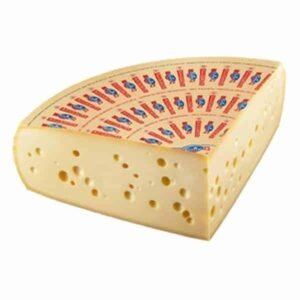
Emmentaler Cheese – Swiss
Emmentaler Cheese – Swiss is a ripened hard cheese sourced by TG-Trading B.V. for cheese importers, wholesalers, food-service distributors, supermarkets, restaurants, hotels and food manufacturers. It is suitable for slicing, sandwiches, cheese boards, hot foods, prepared meals and retail distribution. Maturation, milk treatment, fat content, eye structure, format, origin, packaging and documentation may vary according to current sourcing and buyer requirements. Send TG-Trading B.V. your quantity, destination, intended use and required specification to request a current wholesale quotation.
Emmentaler Cheese – Swiss
Product Details
Emmentaler Cheese – Swiss for Wholesale Supply
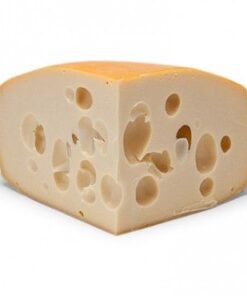
Emmentaler Cheese – Swiss is a ripened hard cheese recognized for its characteristic internal holes, elastic texture and mild, nutty-sweet flavor profile. TG-Trading B.V. sources and distributes Emmentaler Cheese – Swiss for international B2B buyers including cheese importers, dairy wholesalers, food-service distributors, supermarkets, sandwich manufacturers, hotels, restaurants, caterers and food processors.
For commercial procurement, the product name alone is not a complete specification. Buyers should confirm milk type, pasteurization status, fat in dry matter, moisture, maturation, eye formation, wheel or block format, rind, packaging, origin documentation and any required certification before purchase.
TG-Trading B.V. evaluates each enquiry according to quantity, destination, intended use and the buyer’s required cheese specification.
Emmentaler Cheese – Swiss for Wholesale Buyers
Emmentaler Cheese – Swiss is commercially relevant for buyers requiring a firm, sliceable cheese for food service, retail, sandwiches, cheese counters, hot-food applications and further processing.
The exact sensory and technical profile can vary according to producer and maturation. Food manufacturers may prioritize melting, slicing or shredding performance, while wholesalers and retailers may focus on wheel or block format, eye structure, rind presentation, labeling and traceability.
Buyers can also review the TG-Trading B.V. Cheese category for related dairy products.
What Is Emmentaler Cheese – Swiss?
Emmentaler Cheese – Swiss is a ripened hard cheese associated with the Emmental style of cheesemaking and characterized by a firm but elastic body with distinctive gas holes formed during ripening.
Codex Alimentarius Standard CXS 269-1967 defines Emmental as a ripened hard cheese with an ivory to yellow body, elastic and sliceable texture, characteristic gas holes and a typically mild, nut-like and sweet flavor. The standard also recognizes the names Emmental or Emmentaler when the cheese complies with the defined standard.
Buyers can review the Codex Standard for Emmental for authoritative technical information.
The exact milk treatment, composition, maturation, wheel size, block size, eye pattern, rind treatment and country of production should still be confirmed from the current supplier specification.
5 Key Commercial Uses
1. Sandwich and Food-Service Slicing
Emmentaler Cheese – Swiss is suitable for sandwiches, paninis, baguettes, burgers and other food-service products requiring a sliceable cheese.
Commercial buyers should specify whether they require whole wheels, blocks, portions or pre-sliced formats. Where automated slicing equipment is used, block dimensions, slice thickness and firmness may be important procurement criteria.
2. Hot Food and Melting Applications
Restaurants and food manufacturers may use Emmentaler in toasted sandwiches, gratins, casseroles, sauces and other heated dishes.
Melting behavior can vary according to moisture, maturation and composition. Buyers requiring a specific functional performance should validate the actual offered cheese for their own application rather than assume identical behavior across producers.
3. Cheese Boards and Hospitality Service
Hotels, caterers, restaurants and specialty-food distributors may use Emmentaler Cheese – Swiss for cheese boards, buffets and portioned hospitality service.
Eye formation, rind presentation, flavor intensity and maturation can influence visual and sensory presentation. Buyers should define appearance requirements where consistency is important.
4. Prepared Food Manufacturing
Food processors may use the cheese in bakery fillings, sauces, ready meals, savory pastries and other manufactured foods.
Processors should specify whether the product needs to be sliced, shredded, grated, cubed or melted. The appropriate format should be selected according to production equipment and finished-product requirements.
5. Wholesale and Retail Repacking
Importers, wholesalers and commercial packers may purchase Emmentaler Cheese – Swiss for cutting, portioning, slicing, repacking or onward distribution.
Packaging, labeling, allergen declarations, lot identification and destination-market requirements should be confirmed before commercial supply.
Specifications Buyers Should Confirm
Commercial cheese procurement should be based on a current product specification.
Relevant parameters may include:
- Milk type
- Pasteurization status
- Fat in dry matter
- Moisture
- Salt
- Maturation profile
- Texture
- Eye size and distribution
- Color
- Wheel, block or portion format
- Rind or surface treatment
- Sliceability
- Melting performance where relevant
- Microbiological criteria
- Packaging configuration
- Country of origin
- Batch and lot traceability
- Labeling requirements
- Health and import documentation
Exact fat percentage, moisture, maturation period, wheel weight, block dimensions, origin, shelf life, storage temperature, certifications and packaging should not be assumed.
These characteristics may vary according to current sourcing, supplier specification, destination and buyer requirements.
Emmentaler Cheese – Swiss vs Maasdammer Cheese
Emmentaler Cheese – Swiss and Maasdammer are both recognized for visible internal eyes and mild, nutty flavor profiles, but they are distinct cheese styles.
Emmentaler is a defined hard cheese under Codex, while Maasdammer is generally positioned as a Dutch-style semi-hard cheese with its own composition, texture and maturation profile.
Buyers comparing the two should consider eye structure, flavor, firmness, slicing performance, melting behavior, format and price for the current supply.
TG-Trading B.V. also lists Maasdammer Cheese for buyers evaluating alternative cheese styles.
Emmentaler Cheese – Swiss vs Gouda-Style Cheese
Emmentaler and Gouda-style cheeses have different internal structures and sensory profiles.
Young Gouda typically has a more compact body without the pronounced eye formation associated with Emmentaler. It may also differ in moisture, texture and flavor development.
The correct cheese depends on intended use, target market, slicing or melting requirements and customer preference.
Packaging and Bulk Orders
Emmentaler Cheese – Swiss may be available in whole wheels, blocks, portions or other commercial formats depending on current sourcing.
Exact unit weight, pack size, carton configuration, palletization and MOQ should be confirmed in the commercial quotation.
Buyers should state whether the cheese is intended for retail cutting, slicing, food service, further processing or wholesale redistribution.
International Sourcing and Distribution
TG-Trading B.V. sources Emmentaler Cheese – Swiss for international cheese importers, wholesalers, food-service distributors, retailers, hospitality businesses and food manufacturers.
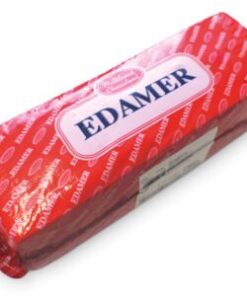
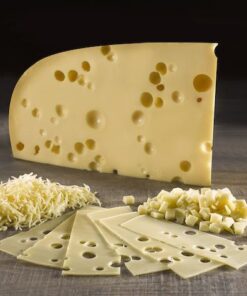
The product is listed in TG-Trading B.V.’s Dairy Products & Milk Ingredients → Cheese category. Related live products include Maasdammer Cheese and Edamer Cheese.
Supply options may depend on required maturation, format, composition, quantity, destination, packaging, origin requirements and current availability.
Storage, Handling and Cold Chain
Cheese should be transported and stored according to the current supplier’s instructions and applicable dairy food-safety requirements.
Exact storage temperature, shelf life and handling conditions should be taken from the current product specification and label rather than assumed.
Businesses that cut, slice or repack the cheese should also maintain appropriate hygiene, allergen control and traceability procedures.
Quality and Documentation
Depending on the destination and transaction, buyers may request a current product specification, ingredient declaration, allergen statement, microbiological report, health certificate, certificate of origin, production information, packing list and traceability records.
Because this is a milk-derived product, appropriate milk-allergen labeling and controls should be maintained.
If a particular origin, certification, maturation range, milk treatment or other technical requirement is mandatory, buyers should include it in their RFQ so it can be verified for the actual supply.
Frequently Asked Questions
What is Emmentaler Cheese – Swiss?
It is a ripened hard cheese with an elastic, sliceable texture and characteristic gas holes formed during maturation.
Is Emmentaler the same as Swiss cheese?
“Swiss cheese” is often used broadly in some markets, while Emmentaler refers to a specific cheese style with defined characteristics. Buyers should confirm the exact product identity required.
What milk is used?
Emmentaler is traditionally associated with cow’s milk, but buyers should confirm the milk source and pasteurization status from the current supplier specification.
What formats are available?
Possible formats may include wheels, blocks, portions or sliced products depending on sourcing. Exact format and unit weight should be confirmed in the quotation.
What size are the holes in Emmentaler?
Eye size can vary. Buyers requiring a particular visual appearance should include eye-size and distribution requirements in the specification.
Is Emmentaler suitable for melting?
It can be used in many heated food applications, but melting behavior varies with composition and maturation. Manufacturers should verify suitability for their own process.
What is the minimum order quantity?
MOQ varies according to current sourcing, product format, destination and packaging. TG-Trading B.V. confirms the applicable MOQ with the current commercial offer.
What documentation can buyers request?
Depending on the transaction, buyers may request specifications, allergen declarations, microbiological documents, health certificates, certificate of origin, packing details and traceability records.
Can buyers request a specific maturation profile?
Yes. If a particular maturity or sensory profile is required, it should be stated in the RFQ and confirmed against current sourcing.
How can I request a wholesale quotation?
Provide the required quantity, destination country or port, intended use, preferred cheese format, maturation profile, packaging and documentation requirements to TG-Trading B.V.
Why Source Through TG-Trading B.V.?
TG-Trading B.V. supports specification-led international dairy procurement.
For Emmentaler Cheese – Swiss, this means reviewing required format, maturation, composition, quantity, destination, packaging and documentation before evaluating current sourcing options.
This helps importers, wholesalers, processors and food-service buyers compare cheese according to actual commercial requirements rather than relying on assumptions about origin, age or composition.
Request a Wholesale Quote
To request a wholesale quotation for Emmentaler Cheese – Swiss, provide TG-Trading B.V. with your required quantity, destination country or port, intended use, required cheese specification, preferred format, packaging and documentation requirements.
Also state any mandatory milk treatment, maturation range, fat-in-dry-matter requirement, wheel or block dimensions, eye appearance, origin, labeling or certification criteria.
Contact TG-Trading B.V. for current availability, MOQ, specifications, packaging options, documentation and commercial pricing.
Be the first to review “Emmentaler Cheese – Swiss”
Related products
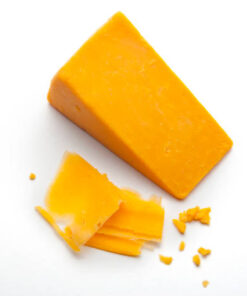
Cheese
Cheese
Cheese
Cheese
Cheese
Cheese


Cheese
Cheese
Wholesale Sourcing Specifications: Emmentaler Cheese – Swiss
| Order Volume (MOQ) | Europe: Pallets / LCL accepted. International: 1x 20ft or 40ft FCL (Dry or Reefer) |
|---|---|
| Packaging | Varies by product (bulk, retail, private label). Request specific product specifications. |
| Incoterms | FOB Rotterdam / CIF Destination Port / DAP (Door-to-Door available) |
| Lead Time | Varies by product and origin; typically 14 to 21 working days |
| Quote Response | Proforma Invoice and spec sheet within 24 hours of RFQ |
| Quality Governance | BRCGS, IFS Food, ISO 22000, HACCP |
Reviews
There are no reviews yet.