
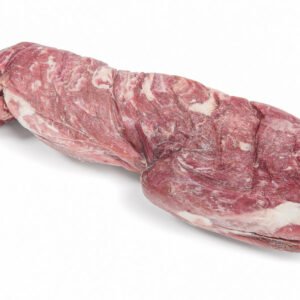
Beef Tenderloin

Beef Tenderloin is a boneless beef cut sourced by TG-Trading B.V. for meat importers, wholesalers, distributors, restaurants, hotels, caterers and food-service companies. It is suitable for steak menus, catering, retail meat operations and professional portioning. Fresh or frozen condition, whole or portioned format, trim, weight range, grade, origin, packaging and documentation may vary according to current sourcing and buyer requirements. Send TG-Trading B.V. your required quantity, destination, intended use and detailed cut specification to request a current wholesale quotation.
Beef Tenderloin
Product Details
Beef Tenderloin for Wholesale Supply
Beef Tenderloin is a boneless beef cut from the loin area, commercially valued for its tenderness and versatility in food-service and meat distribution. TG-Trading B.V. sources and distributes Beef Tenderloin for importers, meat wholesalers, distributors, supermarkets, restaurants, hotels, caterers, food-service companies and other professional buyers requiring commercial quantities.
For wholesale procurement, the product name alone is not a complete specification. Buyers should confirm whether the required product is fresh or frozen, whole or portioned, trimmed or untrimmed, and whether specific weight ranges, grading systems, origins, processing requirements or packaging formats apply. These characteristics may vary according to current sourcing and buyer requirements.
Beef Tenderloin for Wholesale Buyers
Beef Tenderloin has particular commercial relevance for hospitality, restaurant and specialist meat markets because it can be portioned into steaks, medallions and other high-value menu cuts.
Food-service distributors may purchase whole tenderloins for further processing, while restaurants and catering operations may prefer products prepared to a more specific trim or portion specification.
TG-Trading B.V. works with B2B buyers internationally and evaluates sourcing according to required quantity, destination, product condition, cut specification, packaging and documentation requirements.
What Is Beef Tenderloin?
Beef Tenderloin is a long, relatively narrow boneless muscle located within the loin region of the beef carcass. It is known commercially as one of the more tender beef cuts because the muscle performs relatively little strenuous movement.
USDA FSIS identifies loin as one of the major beef primal areas and includes whole tenderloin among recognized beef roasting cuts. USDA also explains that cut names can vary, making precise product descriptions important for buyers and food handlers.
The USDA Food Safety and Inspection Service provides additional information about beef cuts, inspection, handling and food safety.
A wholesale specification should still define the actual cut and preparation required rather than assuming that all internationally traded tenderloin products are identical.
5 Key Commercial Uses
1. Restaurant Steak Menus
Beef Tenderloin is widely relevant to restaurants, steakhouses and hotel dining operations. Portions taken from the tenderloin can be prepared as individual steaks and incorporated into menus where tenderness and portion consistency are important.
Professional buyers should communicate required portioning, trim and weight specifications when these characteristics are important to kitchen operations.
2. Hotels and Catering
Hotels, event caterers, resorts and institutional food-service operators may purchase Beef Tenderloin for banquets, plated meals, buffets and premium catering menus.
Whole cuts can provide flexibility for kitchen teams that perform their own trimming and portioning. Alternatively, buyers may request more specific preparation where available from the current source.
3. Meat Wholesale and Distribution
Meat importers and regional distributors may source tenderloin for onward sale to restaurants, retailers, butcher shops and hospitality customers.
For distributors, consistent commercial specifications are particularly important. Product condition, trimming, weight range, packaging, labeling, origin and production-establishment requirements should be established before purchasing.
4. Retail and Butcher Operations
Supermarkets, specialist butchers and meat retailers can further process Beef Tenderloin into steaks, medallions or other retail-ready cuts.
The appropriate wholesale format depends on the retailer’s cutting operation and target customer. Buyers performing their own processing may prefer whole tenderloins, while other operations may require predetermined portion specifications.
5. Further Processing and Portion Control
Food processors and centralized food-service operations may use tenderloin as raw material for portion-controlled products.
Such procurement can require tighter specifications covering trim, portion size, allowable variation, processing method, packaging and microbiological requirements. Buyers should clearly define these criteria in their RFQ.
Specifications Buyers Should Confirm
Before ordering Beef Tenderloin, commercial buyers should confirm the specification required for their market and operation.
Important purchasing criteria may include:
- Whole or portioned format
- Fresh or frozen condition
- Trim level
- Chain-on or chain-off preparation where applicable
- Weight range
- Portion requirements
- Grading system where required
- Country of origin
- Production establishment
- Chilled or frozen handling requirements
- Packaging format
- Vacuum packaging where required
- Labeling and traceability
- Microbiological requirements
- Required veterinary or import documentation
Exact weight, grade, breed, origin, trim, certification and processing condition should not be assumed. These details should be confirmed from the current product specification and commercial offer.
Whole Beef Tenderloin vs Portioned Tenderloin
Whole and portioned Beef Tenderloin serve different purchasing requirements.
A whole tenderloin provides food-service kitchens, butchers and processors with greater control over trimming and portion sizes. It can be useful for operations with trained meat-cutting staff or centralized processing facilities.
Portioned tenderloin can reduce preparation requirements and assist operations seeking standardized serving sizes. However, portion weight, thickness, trimming and tolerance must be defined between buyer and supplier.
The appropriate format therefore depends on labor availability, yield targets, menu requirements, processing capabilities and purchasing strategy.
Packaging and Bulk Orders
Packaging for Beef Tenderloin may vary according to whether the product is fresh or frozen, whole or portioned, the supplier’s processing system and destination requirements.
Buyers should specify preferred primary and secondary packaging, carton requirements, labeling, pallet configuration and any portion-control requirements.
MOQ, carton weight, individual piece weight and container loading quantities should be confirmed from the current offer rather than assumed.
International Sourcing and Distribution
TG-Trading B.V. supports international B2B sourcing of meat products for importers, distributors, wholesalers, hospitality suppliers and food-service procurement companies.
Availability of Beef Tenderloin may depend on destination-market eligibility, approved production establishments, required origin, veterinary conditions, product specification, quantity and current sourcing.
Buyers can browse the TG-Trading B.V. shop for additional wholesale food products and sourcing opportunities.
Storage, Handling and Cold Chain
Maintaining an appropriate cold chain is essential when handling raw beef. Storage and transportation conditions should follow the product specification, supplier instructions and applicable food-safety regulations.
Frozen products should remain under appropriate frozen conditions throughout transportation and storage, while chilled products require controlled refrigeration. Exact temperatures and shelf life should be confirmed from the current specification rather than generalized across all supplies.
Raw beef should also be handled hygienically to prevent cross-contamination. USDA FSIS advises keeping raw meat separate from other foods and maintaining appropriate refrigeration and safe handling practices.
Quality and Documentation
Wholesale Beef Tenderloin procurement can involve documentation requirements that vary significantly by destination.
Depending on the transaction, buyers may request a product specification, veterinary health certificate, certificate of origin, establishment information, packing list, traceability documentation, microbiological reports or other import-related documents.
Halal status, breed, feeding system, grading, origin and other commercial claims should never be assumed. Where any such requirement is mandatory, buyers should state it clearly so that appropriate documentation can be verified before an order is confirmed.
Why Source Through TG-Trading B.V.?
TG-Trading B.V. supports specification-based procurement for international meat buyers rather than treating Beef Tenderloin as a standardized commodity with identical characteristics from every source.
Importers and food-service buyers can provide their required cut, condition, trim, quantity, destination, packaging and documentation criteria. TG-Trading B.V. can then evaluate current sourcing possibilities against those requirements.
This approach is particularly useful where destination-market import rules, establishment eligibility and product specifications need to be coordinated before shipment.
Request a Wholesale Quote
To request a wholesale quotation for Beef Tenderloin, provide TG-Trading B.V. with your required quantity, destination country or port, intended use, required specification, preferred packaging and documentation requirements.
Also specify whether you require fresh or frozen product, whole or portioned tenderloin, preferred trim, weight range, grading or origin requirements and any mandatory veterinary, food-safety or religious documentation.
Contact TG-Trading B.V. with your procurement requirements for current availability, MOQ, specifications, packaging options and commercial pricing.
Beef Tenderloin
Beef Tenderloin Supplier
Wholesale Beef Tenderloin
Bulk Beef Tenderloin
Beef Tenderloin Wholesaler
Be the first to review “Beef Tenderloin”
Related products
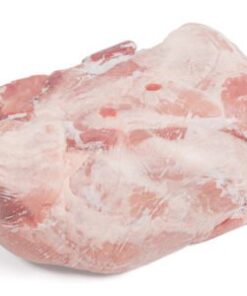
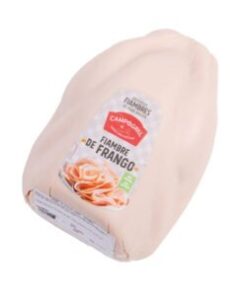
Bacon & Ham
Sausages & Chorizo
Beef
Bacon & Ham
Pork
Beef
Wholesale Sourcing Specifications: Beef Tenderloin
| Order Volume (MOQ) | Europe: Pallets / LCL accepted. International: 1x 20ft or 40ft FCL (Dry or Reefer) |
|---|---|
| Packaging | Varies by product (bulk, retail, private label). Request specific product specifications. |
| Incoterms | FOB Rotterdam / CIF Destination Port / DAP (Door-to-Door available) |
| Lead Time | Varies by product and origin; typically 14 to 21 working days |
| Quote Response | Proforma Invoice and spec sheet within 24 hours of RFQ |
| Quality Governance | BRCGS, IFS Food, ISO 22000, HACCP |
Reviews
There are no reviews yet.