
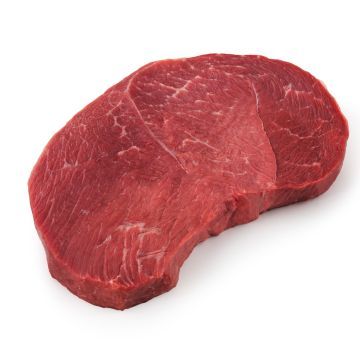
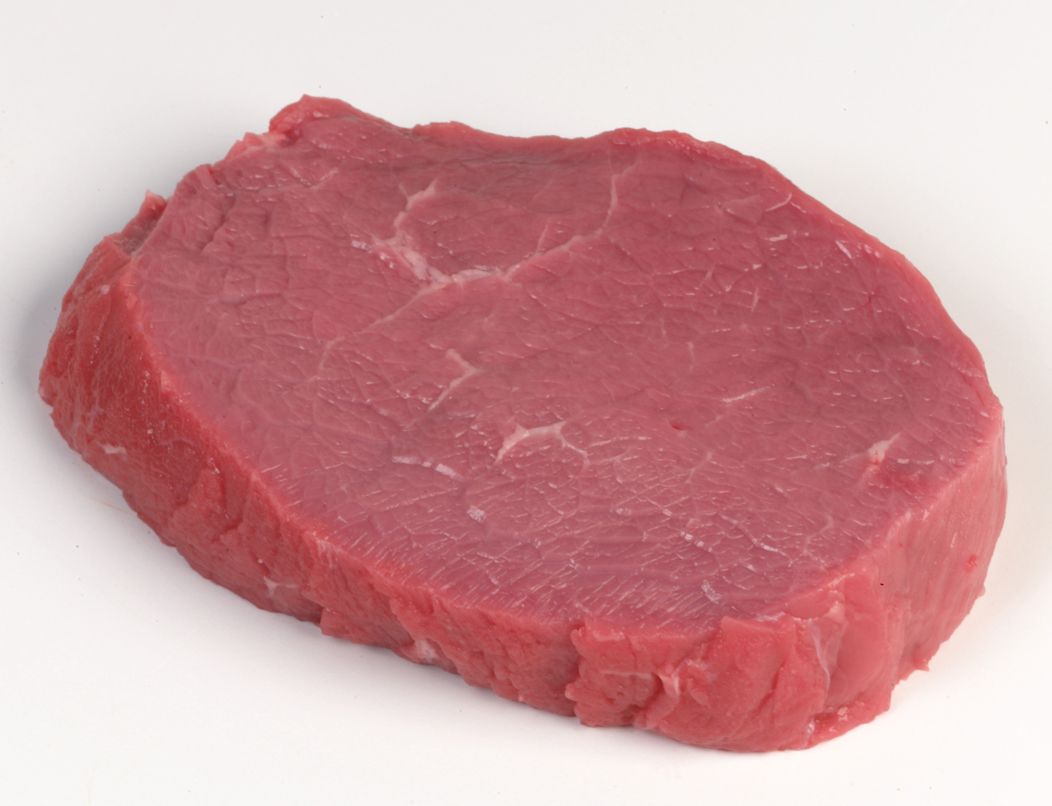
Beef Sirloin

Beef Sirloin is a commercial beef cut sourced by TG-Trading B.V. for importers, meat wholesalers, distributors, supermarkets, restaurants, hotels, caterers and food-service companies. It is suitable for steaks, roasting, grilling, retail portioning and further processing. Fresh or frozen condition, whole or portioned format, trim, weight range, grade, origin, packaging and documentation may vary according to current sourcing and buyer requirements. Send TG-Trading B.V. your required quantity, destination, intended use and detailed cut specification to request a current wholesale quotation.
Beef Sirloin
Product Details
Beef Sirloin for Wholesale Supply
Beef Sirloin is a commercial beef cut sourced for restaurants, hotels, caterers, meat importers, wholesalers, distributors, supermarkets, butcher operations and food-service companies. TG-Trading B.V. sources and distributes Beef Sirloin for international B2B buyers according to required product condition, cut specification, quantity, destination, packaging and documentation.
For professional procurement, the product name alone is not a complete specification. Buyers should confirm whether they need fresh or frozen product, bone-in or boneless presentation, whole sirloin or portioned cuts, trim level, weight range, grading requirements, origin requirements and packaging format. These characteristics may vary according to current sourcing, supplier specification, destination and buyer requirements.
Wholesale Sirloin for B2B Buyers
Beef Sirloin is commercially important because the sirloin area can provide cuts suitable for steaks, roasting, grilling, slicing and further processing. It is purchased by food-service distributors, restaurant groups, meat processors and retailers that need flexible beef cuts for different menu and resale applications.
TG-Trading B.V. supports specification-led sourcing rather than assuming every sirloin product is identical. Wholesale buyers can review the Beef category for other commercial cuts or compare requirements with Beef Tenderloin when choosing between different loin-area products.
What Is Beef Sirloin?
Beef Sirloin is meat taken from the sirloin region of the beef carcass, located toward the rear of the loin area. Commercial terminology can vary by cutting system and market, and sirloin may be divided into different subprimal or retail cuts. For this reason, a buyer should not rely on the word “sirloin” alone when precise cutting specifications are important.
The USDA Agricultural Marketing Service recognizes multiple sirloin-related commercial cuts, including top sirloin butt, top sirloin steaks and bottom sirloin cuts. This illustrates why international buyers should define the exact commercial cut required rather than assuming a single universal sirloin specification. Buyers can review USDA meat terminology and market information at USDA Agricultural Marketing Service.
5 Key Commercial Uses
1. Restaurant and Steakhouse Menus
Beef Sirloin is used by restaurants, steakhouses, hotels and catering operations for grilled steaks, pan-seared portions, roasted preparations and other menu applications. Food-service buyers may need standardized portion size, thickness or trim depending on kitchen requirements. These details should be included in the RFQ when consistency is important.
2. Hotel and Catering Operations
Hotels, resorts, event caterers and institutional kitchens may purchase sirloin for banquet menus, buffet service, plated meals and centralized food production. Whole or larger-format cuts can allow professional kitchens to portion meat according to their own requirements, while pre-portioned options may reduce preparation work where available.
3. Meat Wholesale and Distribution
Importers and meat distributors can source Beef Sirloin for onward sale to restaurants, butcher shops, supermarkets and food-service customers. For distribution, accurate labeling, traceability, product condition, carton configuration and consistent cut specifications are important commercial considerations.
4. Retail and Butcher Processing
Supermarkets and butcher operations may use whole or subprimal sirloin cuts for further preparation into steaks, roasting joints, strips or other retail formats. Buyers should define whether they require a particular sub-cut, trim level or weight range so the offered product aligns with their processing operation.
5. Further Processing and Ready-Food Production
Food manufacturers may use sirloin in portion-controlled meals, prepared meat products, sliced beef applications and other further-processed foods. Processors should communicate required raw-material form, fat and trim expectations, portion tolerances, microbiological requirements and any other production-specific criteria before ordering.
Specifications Buyers Should Confirm
Commercial Beef Sirloin specifications can differ significantly between suppliers and markets. Procurement teams should confirm the exact cut description and any applicable cutting standard before purchase.
Relevant requirements may include:
- Whole or portioned format
- Top or bottom sirloin designation where applicable
- Bone-in or boneless presentation
- Fresh or frozen condition
- Trim level
- Weight range
- Grading system
- Country of origin
- Production establishment
- Packaging format
- Labeling and traceability
- Microbiological criteria
- Destination-market documentation
Breed, feeding system, marbling, grade, exact weight, origin, Halal status, shelf life and other technical characteristics should not be assumed. They should be confirmed from the current product specification and supporting documentation.
Beef Sirloin vs Beef Tenderloin
Beef Sirloin and beef tenderloin are different commercial cuts and should not be treated as interchangeable simply because both are associated with the loin region.
Sirloin comes from the sirloin area and can include several different sub-cuts depending on the cutting system. It is widely used for steaks, roasts, strips and further processing. Tenderloin is a distinct, elongated muscle known for tenderness and is commonly sold whole or portioned into high-value steaks.
The better option depends on menu requirements, processing needs, target market, yield expectations and budget. Buyers can review Beef Tenderloin on the TG-Trading B.V. website when comparing these sourcing options.
Packaging and Bulk Orders
Beef Sirloin may be offered in different commercial packaging formats according to product condition, cut format, supplier capability, order volume and destination. Primary packaging, vacuum packing where applicable, carton configuration, labeling, palletization and container loading should be confirmed for each transaction.
MOQ, piece weight, carton weight and packaging size may vary according to current sourcing and buyer requirements. Buyers should specify preferred presentation and whether the product is intended for direct food service, retail cutting, further processing or redistribution.
International Sourcing and Distribution
TG-Trading B.V. sources and distributes Beef Sirloin for B2B customers operating in meat import, food service, hospitality, retail, processing and wholesale distribution. Supply options are evaluated against buyer requirements, destination-market eligibility, current availability and commercial terms.
International meat procurement may also require confirmation that the supplying establishment and documentation are acceptable for the destination market. Buyers should communicate country or port of destination early in the RFQ process.
Buyers can also browse the TG-Trading B.V. shop for additional wholesale food and meat products.
Storage, Handling and Cold Chain
Cold-chain control is essential for beef products. Chilled and frozen meat should be transported and stored under conditions appropriate to the specific product and supplier instructions. Raw beef should also be handled hygienically and protected from cross-contamination.
Exact storage temperature, shelf life and thawing requirements should be confirmed from the current supplier specification rather than assumed for all sirloin supplies.
Quality and Documentation
Depending on destination and transaction requirements, buyers may request a product specification, Certificate of Analysis where applicable, veterinary health certificate, certificate of origin, establishment information, traceability records, microbiological documentation, ingredient or processing declarations and shipping documents.
Any grading, Halal, feeding-system, origin or other certification requirement should be explicitly stated by the buyer and verified before order confirmation. TG-Trading B.V. does not automatically imply that every sourcing option carries the same certification or documentation.
Why Source Through TG-Trading B.V.?
TG-Trading B.V. supports international buyers by reviewing product requirements before matching them with current sourcing possibilities. For Beef Sirloin, this includes the required cut, product condition, trim, quantity, destination, packaging and documentation.
This procurement-focused approach is useful for importers, distributors, processors and food-service companies that need a commercial specification rather than a generic product description.
Request a Wholesale Quote
To request a wholesale quotation for Beef Sirloin, provide TG-Trading B.V. with your required quantity, destination country or port, intended use, required cut specification, preferred packaging and documentation requirements.
Also state whether you require fresh or frozen product, bone-in or boneless presentation, whole or portioned format, preferred sirloin sub-cut where relevant, trim level, weight range and any mandatory grade, origin, veterinary or certification requirements. Contact TG-Trading B.V. for current sourcing, MOQ, packaging, documentation and commercial pricing.
Beef Sirloin
Beef Sirloin Supplier
Wholesale Beef Sirloin
Bulk Beef Sirloin
Beef Sirloin Wholesaler

Be the first to review “Beef Sirloin”
Related products
Beef
Bacon & Ham
Bacon & Ham
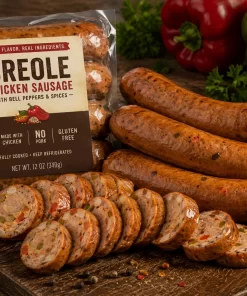
Sausages & Chorizo
Bacon & Ham
Pork
Beef
Wholesale Sourcing Specifications: Beef Sirloin
| Order Volume (MOQ) | Europe: Pallets / LCL accepted. International: 1x 20ft or 40ft FCL (Dry or Reefer) |
|---|---|
| Packaging | Varies by product (bulk, retail, private label). Request specific product specifications. |
| Incoterms | FOB Rotterdam / CIF Destination Port / DAP (Door-to-Door available) |
| Lead Time | Varies by product and origin; typically 14 to 21 working days |
| Quote Response | Proforma Invoice and spec sheet within 24 hours of RFQ |
| Quality Governance | BRCGS, IFS Food, ISO 22000, HACCP |
Reviews
There are no reviews yet.