
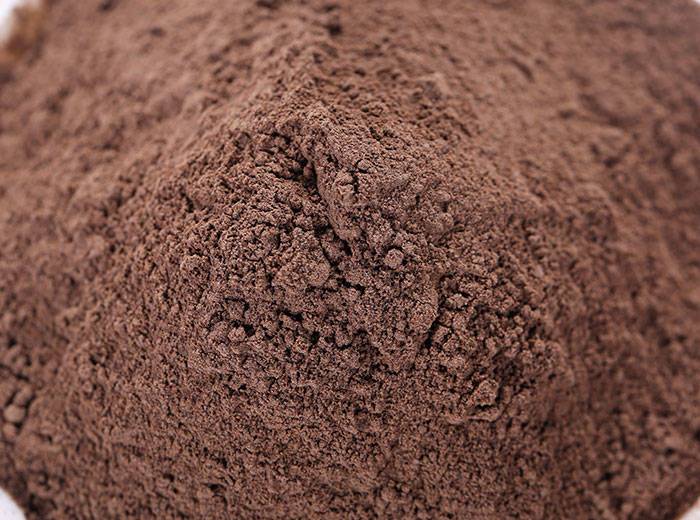
Bee propolis powder
Bee Propolis Powder is a bee-derived ingredient sourced by TG-Trading B.V. for supplement manufacturers, ingredient blenders, food formulators, importers, wholesalers and distributors. It may be used in dry supplement formulations, functional ingredient blends, specialty bee-product ranges and commercial repacking. Botanical origin, extraction method, carrier ingredients, particle size, analytical markers, microbiological limits, packaging and documentation may vary according to current sourcing and buyer requirements. Send TG-Trading B.V. your quantity, destination, intended use and required specification to request a current wholesale quotation.
Bee Propolis Powder
Product Details
Bee Propolis Powder for Wholesale Supply
Bee Propolis Powder is a powdered bee-derived material produced from propolis, a resinous substance that honey bees collect from plant sources and use within the hive. TG-Trading B.V. sources Bee Propolis Powder for international B2B buyers including ingredient importers, nutraceutical manufacturers, food and supplement formulators, wholesalers, distributors, repackers and procurement companies.
Commercial buyers should treat the product name as a starting point rather than a complete specification. Botanical source, geographic origin, extraction method, carrier ingredients, particle size, color, flavor, moisture, wax content, microbiological limits, packaging and documentation may vary according to current sourcing and buyer requirements.
Bee Propolis Powder for Wholesale Buyers
Bee Propolis Powder can be relevant to companies developing dry ingredient blends, supplement formulations, functional-food concepts and specialty bee-product lines. Its commercial value depends heavily on how the propolis was processed and standardized before drying or milling.
TG-Trading B.V. supports specification-led procurement. Buyers should provide their intended use, required quantity, destination market and any analytical or regulatory requirements so that available sourcing options can be evaluated appropriately.
What Is Bee Propolis Powder?
Bee Propolis Powder is a dry powdered form of propolis, the resinous material honey bees make from plant resins and other botanical materials collected from buds, bark and similar plant sources. Bees combine these materials with their own secretions and use propolis to seal and protect areas of the hive.
FAO explains that propolis composition varies substantially because bees collect resins from different plants, and that variation in botanical and geographic source affects color, odor and chemical composition. The FAO guide to value-added products from beekeeping provides additional information about the composition and processing of propolis.
This natural variability means Bee Propolis Powder should not be assumed to have one universal flavonoid, phenolic, wax or resin profile.
Commercial powder may be produced from processed propolis, propolis extract or other supplier-specific preparations. Buyers should therefore confirm whether the offered material is raw-powdered propolis, an extract powder, a standardized extract or a formulation containing carriers.
5 Key Commercial Uses
1. Nutraceutical and Supplement Formulation
Bee Propolis Powder may be used by supplement manufacturers as an ingredient in capsules, tablets, sachets, powders and other dry-format products. The required form depends on the manufacturer’s formulation and regulatory strategy.
Buyers should confirm ingredient identity, extraction status, carrier ingredients where applicable, microbiological limits and any marker-compound specification required for finished-product quality control.
2. Functional Food and Beverage Ingredients
Food and beverage companies may evaluate propolis powder for selected formulations where bee-derived ingredients are commercially appropriate. Applications can include powdered beverage mixes, specialty food blends and other dry formulations.
Suitability depends on flavor, solubility, dispersibility, regulatory classification and the intended destination market. Buyers should validate the ingredient for their own formulation and labeling requirements.
3. Ingredient Blending and Premixes
Contract manufacturers and ingredient blenders may incorporate Bee Propolis Powder into multi-ingredient dry blends. In these applications, particle size, flow characteristics, carrier system and batch consistency can matter for processing performance.
The exact specification should be agreed before purchasing, particularly when the powder will be blended with vitamins, minerals, plant powders or other functional ingredients.
4. Specialty Bee-Product Ranges
Wholesalers, specialty ingredient distributors and companies selling bee-derived product ranges may source Bee Propolis Powder alongside other apiculture ingredients.
For these buyers, traceability, origin, processing description, packaging format and supporting documentation can be important commercial requirements. Any claims relating to composition, certification or health effects should be supported appropriately for the destination market.
5. Commercial Repacking and Distribution
Propolis powder can also be sourced by importers and distributors for repacking or onward sale to professional customers. Buyers handling repacking should consider hygienic handling, lot identification, packaging suitability and compliant labeling.
TG-Trading B.V. can review procurement requirements for wholesale and distribution programs according to available sourcing.
Specifications Buyers Should Confirm
Commercial specifications for Bee Propolis Powder can vary significantly. Buyers should request the current technical specification before placing an order.
Important parameters may include:
- Botanical or geographic origin
- Raw propolis versus extract-powder format
- Extraction solvent where relevant
- Carrier ingredients
- Extract ratio where applicable
- Particle size or mesh
- Color and aroma
- Moisture
- Ash
- Wax or resin content
- Total phenolic or flavonoid markers where specified
- Microbiological limits
- Heavy metals
- Pesticide residues
- Packaging configuration
No exact analytical values should be assumed. Any declared marker concentration, purity, extract ratio or compositional value should be confirmed from the current supplier specification or Certificate of Analysis.
Because propolis is a bee-derived material, buyers should also review allergen and sensitivity considerations relevant to their market and final product. TG-Trading B.V. does not make allergen-free claims for Bee Propolis Powder.
Raw Propolis Powder vs Propolis Extract Powder
Raw propolis powder and propolis extract powder are not necessarily the same commercial material.
Raw powdered propolis may retain more of the original waxes, resins and naturally variable constituents present in propolis. Extract powders are produced using an extraction process intended to concentrate selected soluble components before conversion into a dry format.
Extract powders may also contain carriers used during drying, depending on the production process. Buyers should therefore confirm the exact manufacturing method, solvent system, carrier composition and any standardization criteria before comparing quotations.
Packaging and Bulk Orders
Bee Propolis Powder may be available in different packaging formats depending on supplier capability, order quantity, destination and intended application. Exact bag, drum or inner-liner configuration should be confirmed from the current offer.
MOQ, package weight, palletization and container loading can vary according to current sourcing and buyer requirements. Buyers should provide preferred packaging and indicate whether the material is intended for direct manufacturing, repacking or distribution.
International Sourcing and Distribution
TG-Trading B.V. sources Bee Propolis Powder for international B2B customers including ingredient companies, supplement manufacturers, importers, distributors and procurement businesses.
Supply options may vary according to origin, processing method, specification, order volume, destination and documentation requirements.
The live TG-Trading category structure includes a dedicated Bee Products subcategory under Plant Powders & Functional Ingredients. Buyers can also browse the TG-Trading B.V. shop for other wholesale ingredients and sourcing opportunities.
Storage and Handling
Propolis powder should be protected from moisture, contamination, excessive heat and conditions that may negatively affect powder quality or stability. Packaging should remain properly sealed during storage and transportation.
Exact storage temperature, shelf life and humidity limits should be confirmed from the current supplier documentation rather than assumed.
Quality and Documentation
Depending on the application and destination, buyers may request a product specification, Certificate of Analysis, ingredient declaration, microbiological report, allergen statement, certificate of origin, processing information, contaminant testing or other regulatory documentation.
Organic status, extraction standardization, purity, origin and specific certifications should not be assumed unless supported by current documentation.
Why Source Through TG-Trading B.V.?
TG-Trading B.V. supports B2B buyers by reviewing technical and commercial requirements before evaluating sourcing options. For Bee Propolis Powder, this means considering processing form, intended use, required analytical criteria, quantity, destination, packaging and documentation.
This approach helps manufacturers and distributors compare available material against their actual production and market requirements instead of relying on a generic product description.
Request a Wholesale Quote
To request a wholesale quotation for Bee Propolis Powder, provide TG-Trading B.V. with your required quantity, destination country or port, intended use, required specification, preferred packaging and documentation requirements.
Where relevant, also state whether you need raw propolis powder or an extract powder, preferred extraction method, carrier requirements, particle size and any analytical markers or microbiological limits. Contact TG-Trading B.V. for current sourcing, MOQ, packaging, documentation and commercial pricing.
Bee Propolis Powder
Bee Propolis Powder Supplier
Wholesale Bee Propolis Powder
Bulk Bee Propolis Powder
Bee Propolis Powder Wholesaler
Be the first to review “Bee propolis powder”
Related products
Plant Powders
Plant Powders
Chocolate, Cacao & Confectionery
Plant Powders
Plant Powders
Plant Powders
Plant Powders
Flours
Wholesale Sourcing Specifications: Bee propolis powder
| Order Volume (MOQ) | Europe: Pallets / LCL accepted. International: 1x 20ft or 40ft FCL (Dry or Reefer) |
|---|---|
| Packaging | Varies by product (bulk, retail, private label). Request specific product specifications. |
| Incoterms | FOB Rotterdam / CIF Destination Port / DAP (Door-to-Door available) |
| Lead Time | Varies by product and origin; typically 14 to 21 working days |
| Quote Response | Proforma Invoice and spec sheet within 24 hours of RFQ |
| Quality Governance | BRCGS, IFS Food, ISO 22000, HACCP |
Reviews
There are no reviews yet.